
WaterConservation – Andhra Pradesh Approves Funds for Prakasam Village Tank Restoration
WaterConservation – The Andhra Pradesh government has approved financial assistance worth Rs 14.07 crore for the restoration and improvement of 162 village tanks and connected irrigation canals across Prakasam district, aiming to strengthen water storage facilities and support agricultural needs in rural areas.
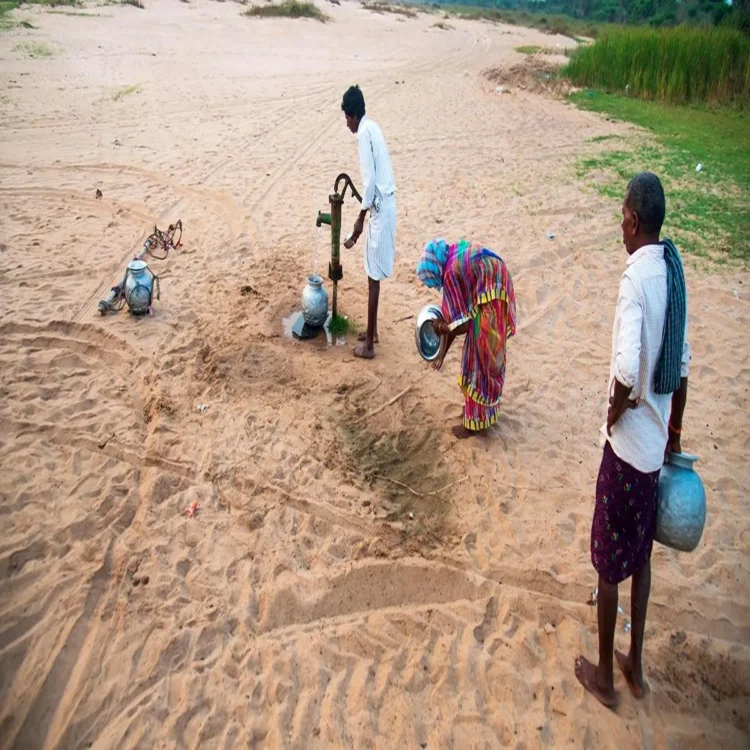
Major Share Allocated for Haajeepuram Tank Works
According to official orders issued recently by the State Special Chief Secretary, a significant portion of the sanctioned amount has been assigned to irrigation improvement activities in Haajeepuram village of HM Padu mandal. Officials confirmed that Rs 2 crore has been reserved specifically for repair and development work related to the minor irrigation tank in the village.
The remaining funds will be distributed among other identified tanks in different mandals of the district. Most of these projects are expected to receive nearly Rs 10 lakh each for renovation, strengthening of bunds, canal clearance, and restoration-related activities.
Execution Process Defined by Government Guidelines
Authorities have also outlined the method for carrying out the approved works. Under the prescribed guidelines, projects estimated below Rs 10 lakh will be implemented through local Irrigation Water Societies on a nomination basis. Officials believe this approach could help speed up smaller repair works and involve local stakeholders in water resource management.
Meanwhile, projects exceeding Rs 10 lakh in value will be executed through short-term tender procedures. The government expects the process to ensure timely completion of larger works before the next agricultural cycle and monsoon season.
Farmers Welcome the Initiative
The announcement has been positively received by farmers in Prakasam district, many of whom have been demanding repairs to neglected tanks and canals for several years. Farmers said several village tanks suffered severe damage during heavy rains and cyclonic weather in recent years, resulting in breached bunds and poor water retention capacity.
Agricultural communities in several mandals have reportedly struggled due to insufficient irrigation storage, particularly during dry periods. Farmers believe the repair works could help improve groundwater recharge and support cultivation in rain-dependent regions.
Concerns Raised Over Insufficient Funding
Despite welcoming the decision, many farmers expressed concern that the allocated funds may not be enough to fully restore all damaged tanks and canal systems in the district. They argued that years of neglect had left several irrigation structures in poor condition, requiring more extensive reconstruction work.
Srinivasa Rao, a farmer from Chimakurthy mandal, said many tanks had remained unattended during the previous administration, especially after repeated rains and cyclones damaged embankments. He noted that several reservoirs gradually lost their storage capacity as maintenance works were delayed.
Farmers stated that while the latest sanction reflects the present government’s attention toward rural irrigation infrastructure, additional financial support would be necessary to ensure long-term improvements in water management across the district.
Importance of Tank Restoration for Agriculture
Village tanks continue to play a vital role in Andhra Pradesh’s rural irrigation network, especially in drought-prone regions where farming heavily depends on seasonal rainfall. Experts say restoration of local water bodies not only improves irrigation supply but also helps maintain groundwater levels and supports livestock needs.
In districts such as Prakasam, where agriculture remains a primary source of livelihood, timely repair of tanks and canals is considered essential for crop sustainability and rural economic stability. Local residents now expect authorities to complete the approved works without delay and expand similar restoration efforts to additional villages in the future