
JusticeSystem – Supreme Court Questions Kerala Police Over FIR Delay
JusticeSystem – The Supreme Court has sharply criticized the Kerala Police for failing to file a formal First Information Report after receiving a complaint through postal communication, raising concerns over procedural lapses and public trust in law enforcement agencies.
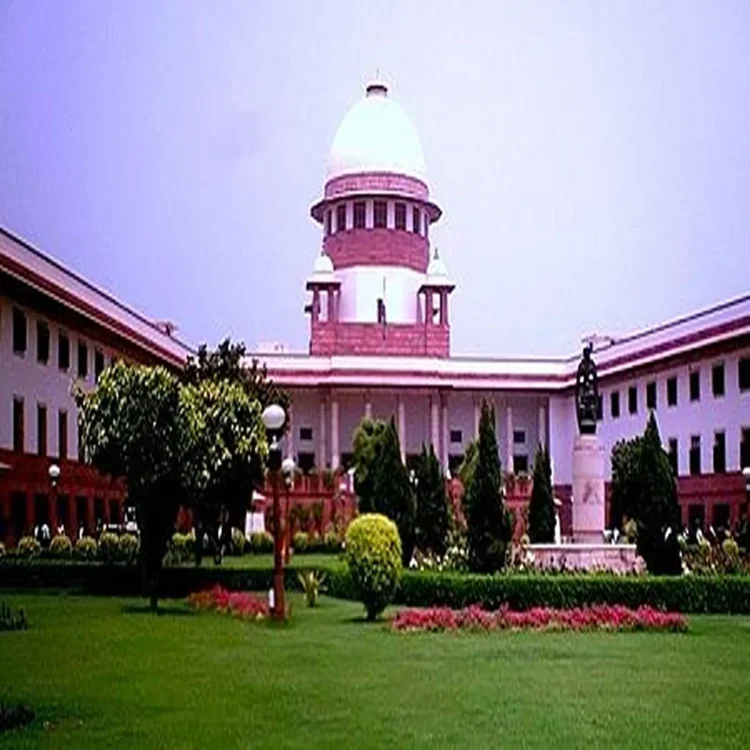
The court, while hearing the matter, directed the Assistant Commissioner of Police of Ernakulam district to personally appear before the bench and clarify the reasons behind the delay in registering the FIR. A bench comprising Justices Ahsanuddin Amanullah and R. Mahadevan observed that the explanation submitted by the Kerala government failed to address the central issue raised during earlier proceedings.
Court Finds State’s Response Inadequate
In its order dated May 8, the bench noted that the affidavit presented by the state authorities did not explain why immediate legal action was not initiated after the complaint reached the police office. The judges remarked that the reply submitted before the court was insufficient and did not answer the primary concern regarding the absence of a formal FIR despite receipt of the complaint.
According to court records, the complaint sent by post had reached the office of the Assistant Commissioner of Police in Ernakulam district on January 8. The bench stated that the police officer concerned must now personally explain the circumstances that led to the inaction.
The Supreme Court has scheduled the next hearing for May 15, 2026, when the officer has been asked to remain present before the court.
Interim Protection Continues for Petitioner
The apex court also decided to continue the interim relief earlier granted to the petitioner. The protection, first issued on February 19, prevents coercive action against the individual in connection with FIR No. 10 of 2026 registered at Panangad Police Station in Ernakulam City.
However, the court clarified that this protection remains conditional upon the petitioner cooperating fully with the ongoing investigation and any related legal proceedings.
Earlier Hearing Raised Questions on Police Conduct
During a previous hearing held on April 2, the Supreme Court had already expressed concern over allegations of police inaction in a related complaint. The matter involved allegations connected to outraging the modesty of a woman belonging to the Scheduled Caste and Scheduled Tribe community. The complaint was reportedly supported by medical evidence indicating injuries.
The bench had questioned why the police failed to respond adequately despite the matter being repeatedly highlighted in court documents and submissions. The judges observed that the issue was clearly mentioned in multiple pleadings, yet no proper explanation was provided in the state’s counter affidavit.
Public Trust in Law Enforcement Under Scrutiny
The Supreme Court also highlighted the broader implications of such alleged lapses by investigating authorities. The bench emphasized that public confidence in the police system could be affected if complaints backed by evidence are not handled according to legal procedures.
The court stated that such matters go beyond an individual case and directly impact the credibility of law enforcement institutions. It further warned that strict action could follow if negligence or dereliction of duty by officials is ultimately established during the proceedings.
Legal observers believe the case may influence future discussions on police accountability and the mandatory registration of FIRs when complaints are formally received by authorities.