
CleanTransport – Delhi-NCR Launches Major Vehicle Replacement Drive to Improve Air Quality
CleanTransport – The Central government has unveiled a large-scale programme aimed at reducing vehicle-related pollution across the Delhi-NCR region by encouraging the replacement of ageing trucks and buses with cleaner and more environmentally friendly alternatives.
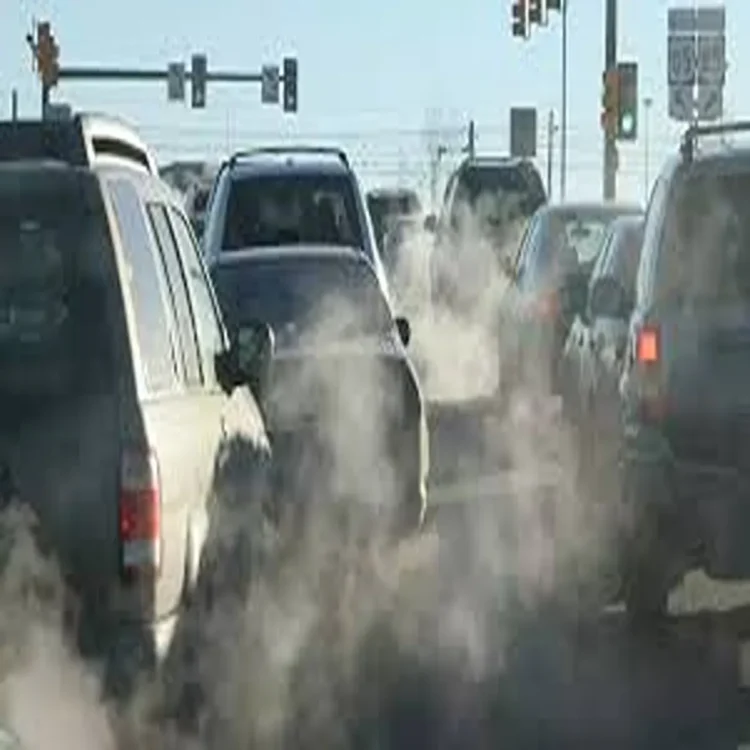
The Union Cabinet on Wednesday approved a financial package worth Rs 9,585 crore to support the transition from older commercial vehicles to modern BS-VI-compliant and electric vehicles. The move is part of a broader effort to address persistent air pollution concerns affecting the National Capital Region and surrounding areas.
Financial Support for Vehicle Owners
According to the government, the scheme will provide financial assistance to owners of trucks and buses currently operating under older emission standards. Out of the total allocation, Rs 5,041 crore will be contributed by the Central government. Participating state governments are expected to extend tax-related incentives estimated at around Rs 1,601 crore to support the initiative.
Officials said the programme is designed to ease the financial burden on transport operators while accelerating the adoption of cleaner vehicle technologies.
More Than Two Lakh Vehicles Expected to Benefit
The scheme is expected to assist nearly 2.07 lakh vehicle owners across Delhi-NCR. This includes approximately 1.91 lakh trucks and over 16,000 buses currently registered in the region.
Vehicle owners operating BS-IV or older models registered within Delhi-NCR will be eligible for benefits if they replace their existing vehicles with BS-VI-compliant models, vehicles meeting even stricter emission standards, or electric vehicles. The newly purchased vehicles must also be registered within the National Capital Region to qualify for support.
Joint Effort Between Central and State Authorities
The programme will be financed through the National Capital Region Planning Board under the Ministry of Housing and Urban Affairs. Its implementation will be carried out by the Ministry of Road Transport and Highways along with the Ministry of Petroleum and Natural Gas.
Authorities said the initiative will be executed in coordination with the governments of Delhi, Haryana, Rajasthan and Uttar Pradesh. The collaborative approach is intended to ensure smooth implementation across the entire NCR region, where vehicle movement frequently crosses state boundaries.
Focus on Reducing Vehicular Emissions
A key objective of the scheme is to accelerate the shift toward cleaner transportation systems. Older diesel-powered trucks and buses are considered significant contributors to air pollution in the region, especially during periods of poor atmospheric conditions.
By encouraging the adoption of modern vehicles equipped with advanced emission-control technologies and electric powertrains, policymakers expect a substantial reduction in harmful pollutants released into the atmosphere. Improved air quality could provide long-term environmental and public health benefits for millions of residents living in and around Delhi-NCR.
Scrapping and Relocation Conditions Explained
The government has also outlined specific requirements regarding older vehicles. Trucks and buses classified under BS-III or earlier emission standards must be scrapped through authorised Registered Vehicle Scrapping Facilities to become eligible for benefits.
For BS-IV vehicles, owners will have two options. They may either scrap their vehicles through approved facilities or sell them outside the NCR region, provided the destination is a town or city not covered under the National Clean Air Programme framework.
Following the disposal of the old vehicle, owners must purchase and register a new BS-VI-compliant, higher-standard emission vehicle, or an electric vehicle within the NCR to receive assistance under the scheme.
The initiative represents one of the largest transport-sector interventions aimed at tackling air pollution in Delhi-NCR and reflects the government’s continued focus on cleaner mobility and sustainable urban development.