
Judiciary – Supreme Court Judge Strength Expanded Through New Presidential Ordinance
Judiciary – President Droupadi Murmu has issued an ordinance to increase the sanctioned strength of judges in the Supreme Court, a move aimed at improving the speed of judicial proceedings and addressing the growing number of unresolved cases across the country.
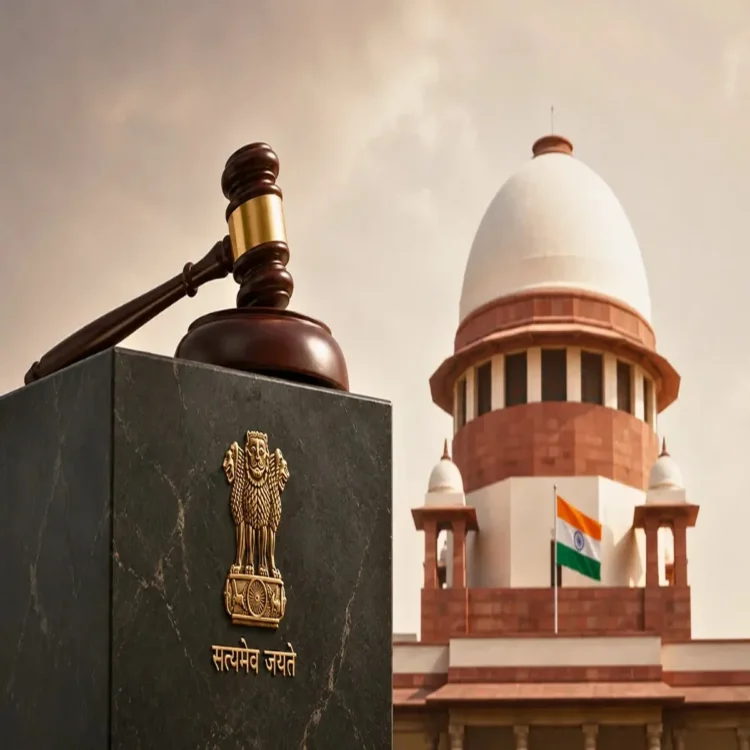
The ordinance, promulgated on Sunday, raises the number of Supreme Court judges to 37, excluding the Chief Justice of India. The decision comes at a time when the apex court continues to face mounting pressure due to a large backlog of pending matters and an increasing workload.
Amendment to Existing Law
The latest ordinance introduces changes to Section 2 of the Supreme Court (Number of Judges) Act, 1956. Under the amendment, the earlier provision mentioning “thirty-three” judges has now been replaced with “thirty-seven,” effectively allowing four additional judges to be appointed to the country’s highest court.
According to the official notification published in the gazette on May 16, the President exercised her constitutional authority because Parliament was not in session and immediate action was considered necessary.
The notification stated that circumstances required prompt intervention without waiting for the next parliamentary sitting. The ordinance has been issued under Article 123 of the Constitution, which permits the President to enact temporary laws when Parliament is not convening.
Parliament Approval Still Required
Although the ordinance has come into force immediately, it will still need parliamentary approval once both Houses reconvene. As per constitutional provisions, the ordinance must be presented before Parliament and will remain valid only if it receives legislative backing within six weeks of reassembly.
If both Houses reject the ordinance or fail to approve it within the specified period, it will automatically lapse. The President also retains the authority to withdraw the ordinance at any point before it is converted into law.
Focus on Reducing Case Backlog
Legal observers view the expansion of judicial strength as part of a broader effort to ease the severe burden of pending litigation in the Supreme Court. The number of unresolved cases has crossed 93,000, and judicial experts have warned that the figure could soon exceed one lakh if additional institutional measures are not introduced.
The backlog issue has become more prominent in recent years, especially after the wider adoption of digital filing systems during and after the pandemic. While e-filing improved accessibility for litigants and lawyers, it also contributed to a rapid rise in the number of petitions reaching the apex court.
Government sources indicated that the increase in judge strength is intended to accelerate hearings, improve disposal rates, and reduce delays in delivering judgments. Faster constitution of benches and more efficient scheduling are also expected to support the court’s functioning.
Upcoming Retirements Add Pressure
The timing of the ordinance is also considered significant because several Supreme Court judges are scheduled to retire in 2026. Justice JK Maheshwari and Justice Pankaj Mithal are expected to retire in June next year, while Justice Sanjay Karol is due to demit office in August.
These upcoming vacancies could have added further pressure on the court’s existing resources if no increase in sanctioned positions had been approved. By expanding the total number of judges now, the government appears to be preparing for future staffing requirements while attempting to maintain continuity in judicial operations.
Long-Term Judicial Capacity Under Review
The Supreme Court has witnessed multiple increases in judge strength over the decades as the volume and complexity of litigation in India have expanded steadily. Legal analysts believe the latest step reflects growing recognition of the need for structural reforms in the justice delivery system.
While the ordinance addresses immediate concerns related to manpower, experts continue to stress the importance of broader reforms, including strengthening lower courts, improving infrastructure, and streamlining case management systems across the judiciary.