
Diplomacy – Cuba Condemns US Terrorism Allegations Amid Rising Tensions
Diplomacy – Cuba has strongly rejected recent accusations from the United States, with President Miguel Diaz-Canel accusing Washington of spreading misleading claims to justify increased political and military pressure against the island nation.
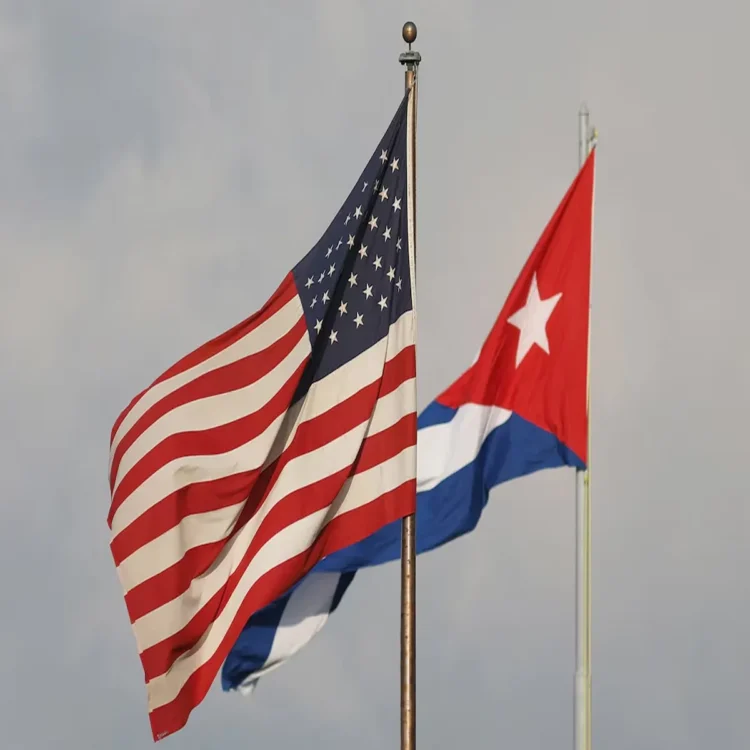
Cuban President Miguel Diaz-Canel has sharply criticised the United States for once again describing Cuba as a state sponsor of terrorism, arguing that the allegations are unsupported and politically motivated. In a statement shared on social media on Friday, Diaz-Canel said the accusations are part of a broader campaign designed to portray Cuba as a threat to American security despite a lack of concrete evidence.
Cuban Leadership Rejects US Narrative
According to the Cuban leader, the narrative being promoted by certain officials within the current US administration is detached from reality and intended to influence both domestic and international opinion. He claimed that some policymakers in Washington are attempting to create conditions that could justify future confrontation with Havana.
Diaz-Canel stated that Cuba has consistently pursued peaceful coexistence since the Cuban Revolution and accused successive US governments of repeatedly undermining that effort through sanctions, political pressure, and hostile rhetoric. He argued that the latest allegations continue a long-standing pattern of tension between the two countries.
Claims of Military Pressure Raise Concerns
The Cuban president also pointed to recent military developments in the Caribbean region as evidence of growing pressure from Washington. He referred to the deployment of the Nimitz Carrier Strike Group and ongoing legal actions connected to historical incidents involving the Cuban military as signs of escalating hostility.
Recent US actions include renewed attention on the decades-old downing of two civilian aircraft linked to anti-Castro groups in the 1990s. American authorities have reportedly pursued legal measures connected to the incident, which has further strained relations between the two nations.
Diaz-Canel warned that continued military posturing and political escalation could have serious regional consequences. He stressed that any direct military conflict involving Cuba would create instability across Latin America and the Caribbean and could lead to significant humanitarian damage.
Cuba Calls for Dialogue and Peace
Despite the rising tensions, the Cuban president insisted that Havana remains committed to diplomacy and peaceful engagement. He said Cuba does not seek confrontation with the United States or any other country and reaffirmed the nation’s support for dialogue as a way to resolve international disputes.
Diaz-Canel also defended Cuba’s right to self-defence under international law while maintaining that the country’s leadership continues to prioritise peace and stability. He argued that accusations branding Cuba as a supporter of terrorism contradict the views of many members of the international community, several of whom have previously criticised US sanctions and restrictions on the island.
Longstanding Strain in US-Cuba Relations
Relations between Washington and Havana have remained difficult for decades, shaped by political disagreements, economic sanctions, and disputes over security policies. Although there have been brief periods of diplomatic engagement in recent years, tensions have repeatedly resurfaced over issues related to governance, human rights, and regional security.
The latest exchange of accusations highlights the fragile nature of ties between the two countries at a time when economic challenges and geopolitical uncertainty continue to affect the Caribbean region. Analysts believe that future relations will depend heavily on diplomatic communication and whether both governments can reduce the increasingly confrontational tone.