
TransportStrike – Delhi-NCR Supply Network Faces Major Disruptions Amid Protest
TransportStrike – Transportation services across Delhi-NCR continued to face significant disruption on Friday as a three-day strike led by transport unions entered its second day. The protest, organised by more than 68 unions affiliated with the All India Motor Transport Congress (AIMTC), has affected the movement of goods vehicles, taxis, auto-rickshaws and other commercial transport services throughout the region.
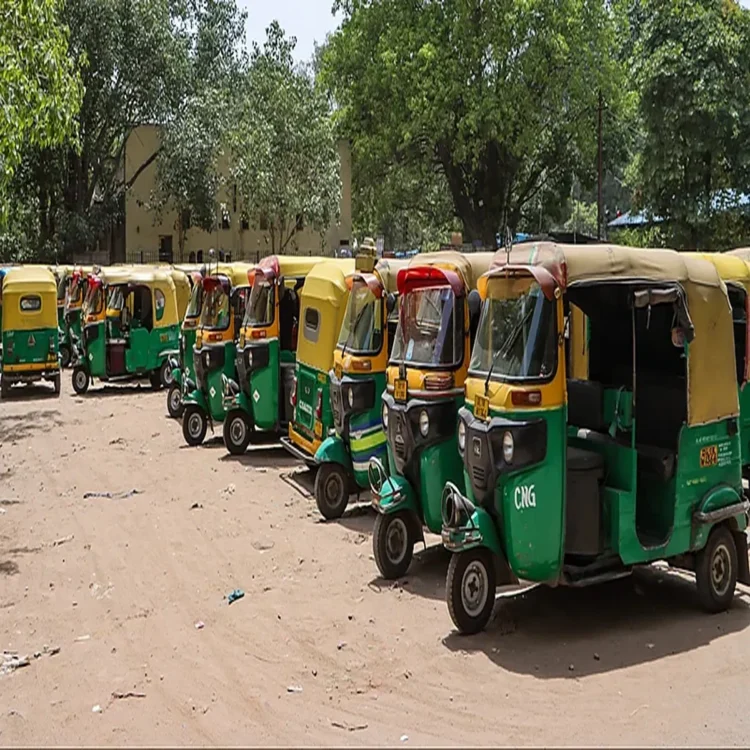
The agitation has been launched against the Delhi government’s increase in the Environmental Compensation Cess and the growing financial pressure caused by continuously rising fuel prices. Transport operators have argued that the additional charges are placing a heavy burden on drivers and fleet owners already struggling with higher operating expenses.
Truck Operations Slow Across Key Transport Hubs
Several major transport centres in the national capital witnessed reduced activity as truck movement remained restricted. Sanjay Gandhi Transport Nagar, one of Delhi’s busiest freight hubs, was among the most affected areas during the strike.
Under normal circumstances, thousands of trucks move in and out of the hub every day. However, during the ongoing protest, long rows of loaded vehicles were seen parked along roadsides as drivers waited for clarity on transport operations. The slowdown has delayed deliveries and impacted supply chains linked to wholesale markets and retail businesses.
Industry representatives said the disruption is not limited to freight movement alone, as delays are also affecting loading schedules, warehouse operations and delivery timelines for businesses dependent on daily transportation services.
Vegetable Supply Affected at Azadpur Mandi
The impact of the strike also reached Azadpur Mandi, the country’s largest wholesale fruit and vegetable market. Traders and vendors reported interruptions in the arrival of essential produce due to restricted truck movement and limited availability of smaller transport vehicles.
According to market vendors, the supply chain disruption has already begun affecting prices of some vegetables in local markets. With transport vehicles unable to operate normally, unloading and distribution activities have slowed considerably.
Several traders expressed concern that if the strike continues for a longer period, shortages of certain perishable items may become more visible in retail markets across Delhi-NCR.
Businesses Face Delays and Financial Pressure
Distributors and transport-dependent businesses have also reported operational challenges because of delayed consignments and pending orders. Companies relying on regular cargo movement said the strike has interrupted dispatch schedules and created uncertainty in maintaining delivery commitments.
Business operators noted that transportation delays are causing financial losses, particularly for industries dependent on time-sensitive deliveries. Many firms are now attempting to manage customer expectations while waiting for transport services to return to normal.
Transporters stated that the current situation reflects the broader financial stress within the sector, where increasing fuel prices and operational expenses continue to affect profitability for drivers and commercial vehicle owners.
Commuters Struggle With Limited Transport Availability
Apart from freight services, daily commuters across Delhi-NCR also experienced inconvenience due to reduced availability of taxis and auto-rickshaws. During peak office hours, many passengers reported difficulty finding transport services and longer waiting periods for app-based cab bookings.
Travelers arriving at and departing from Indira Gandhi International Airport also faced problems because of reduced cab availability. In several areas of the city, commuters complained of inconsistent fares and limited transport options during busy hours.
Office-goers said the disruption led to delays in reaching workplaces and increased dependence on overcrowded public transport systems.
Transport Unions Demand Policy Review
Transport unions have argued that taxi fares in Delhi-NCR have remained largely unchanged for nearly 15 years despite a steady rise in daily operational costs. Representatives from the unions highlighted increasing expenses related to CNG, petrol, diesel, vehicle maintenance, insurance, permits and fitness certifications.
According to union leaders, the recent increase in the Environmental Compensation Cess has further intensified financial difficulties for commercial drivers and transport operators. The unions are demanding a rollback of the cess and a revision in taxi fares to help offset rising operational expenses.
They warned that failure to address these concerns could place serious pressure on the livelihoods of thousands of drivers and their families across the region.