
UrbanDevelopment – Delhi Charts New Roadmap for Sustainable Metropolitan Growth
UrbanDevelopment – Delhi is preparing for a major transformation as city planners and administrators focus on building a modern metropolitan ecosystem instead of concentrating only on infrastructure expansion. The vision aims to improve quality of life, strengthen sustainability measures, and create an integrated urban framework for the future.
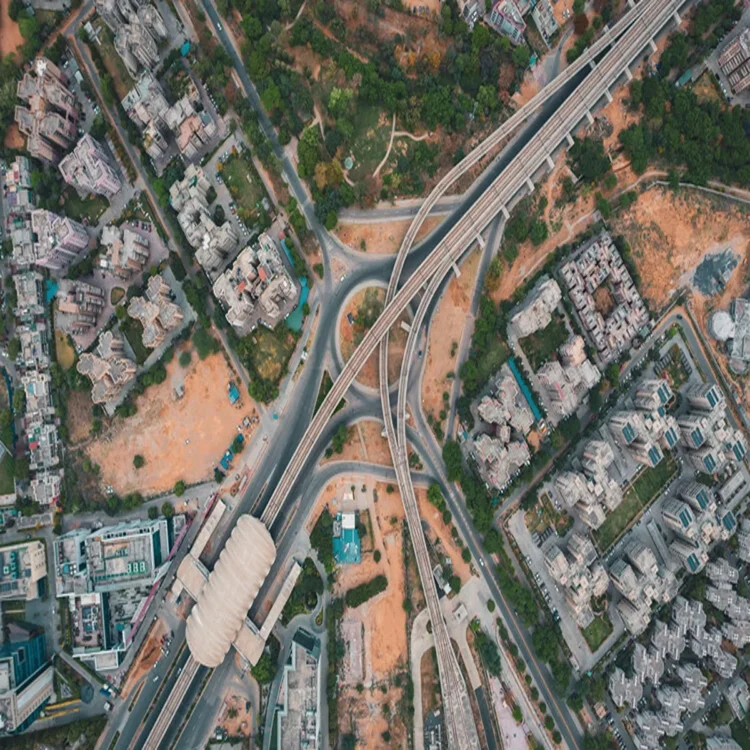
Delhi Lieutenant Governor Taranjit Singh Sandhu highlighted that the national capital has entered a new phase of urban evolution where the emphasis is shifting beyond roads, bridges, and transport systems. According to him, the next stage of growth requires the city to develop as a complete metropolitan centre driven by innovation, environmental responsibility, and efficient governance.
Focus on Integrated Urban Planning
Sandhu explained that a true metropolis is not measured solely by physical infrastructure. He noted that factors such as sustainability, innovation, administrative efficiency, and better living conditions are equally important in defining a globally competitive city.
He stressed that Delhi’s future development model should move away from isolated construction projects and instead focus on interconnected urban systems. The broader objective, he said, is to establish long-term sustainable growth through coordinated planning and ecosystem-based development.
The Lieutenant Governor added that Delhi can learn from international urban centres that have successfully balanced rapid growth with environmental and technological progress. He pointed out that adopting global best practices would help the capital modernise more effectively.
Smart Mobility at the Core
One of the key priorities identified in the roadmap is smart mobility. Authorities believe the future of urban transportation depends on better coordination between metro services, public buses, last-mile connectivity options, and digital technology platforms.
Sandhu stated that advanced systems powered by artificial intelligence, data analytics, and real-time monitoring could significantly improve traffic management and commuter convenience across the city. Such initiatives are expected to reduce congestion while making daily travel more efficient and reliable for residents.
Urban planners are also exploring ways to strengthen digital integration within transport networks so commuters can access smoother and faster services through unified systems.
Sustainable Growth and Green Energy
The Lieutenant Governor also underlined the importance of sustainable development as Delhi continues to expand. Rising urbanisation, he said, makes it necessary to focus on cleaner energy sources, efficient buildings, modern waste management systems, and environmentally friendly transport solutions.
He referred to the experience of countries such as Japan in fields including hydrogen energy, electric mobility, and energy-efficient infrastructure. International cooperation in these sectors, he noted, could support Delhi’s transition toward greener urban growth.
Officials believe sustainability measures will become increasingly important in maintaining environmental balance while meeting the demands of a growing population.
Water Management and Environmental Challenges
Another major concern highlighted during the discussion was water and environmental management. Sandhu said urban sustainability cannot be achieved without addressing critical issues such as water conservation, pollution control, and climate resilience.
Experts have repeatedly warned that large metropolitan cities face mounting pressure on water resources and environmental systems due to population growth and changing climate conditions. Delhi’s future plans are therefore expected to include stronger policies aimed at preserving natural resources and improving environmental quality.
Building Disaster-Resilient Infrastructure
The administration is also placing strong emphasis on disaster resilience as part of the city’s long-term planning strategy. Sandhu stated that modern cities must remain prepared for unexpected emergencies and climate-related risks.
Developing resilient infrastructure capable of handling natural disasters, extreme weather conditions, and urban challenges will be essential for safeguarding public safety and maintaining continuity in city services.
Additionally, the proposed development of the Dwarka sub-city as a centre for knowledge-based industries, innovation hubs, and international partnerships is expected to play an important role in Delhi’s future economic and urban expansion plans.