
UrbanGovernance – Sri Lankan Lawmakers Explore NDMC’s Smart City Model
UrbanGovernance – A delegation of 19 parliamentarians from Sri Lanka visited the New Delhi Municipal Council (NDMC) on Wednesday, engaging in a detailed discussion focused on civic service management and urban governance practices. The visit formed part of an effort to understand how modern cities address infrastructure challenges while improving public service delivery.
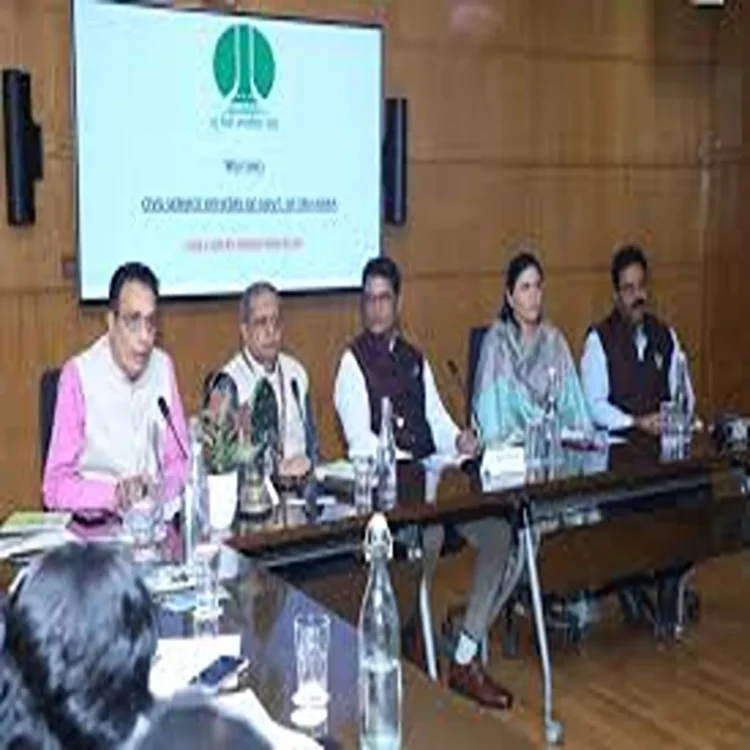
Delegation Engages in Civic Governance Dialogue
The visiting group was led by Sri Lankan Member of Parliament Asitha Niroshana Egoda Vithana, who also serves on the country’s oversight committee for infrastructure and strategic affairs. The delegation met with senior NDMC officials to gain insights into the administrative and operational framework that supports civic services in India’s capital.
The interaction provided a platform for both sides to exchange views on urban challenges such as service efficiency, infrastructure planning, and citizen engagement. Officials emphasized the importance of knowledge-sharing between nations facing similar urban development pressures.
NDMC Showcases Integrated Urban Development Approach
NDMC Chairperson Keshav Chandra presented an overview of the council’s governance model, highlighting how integrated planning has contributed to the transformation of New Delhi into a more sustainable and citizen-centric urban space.
He explained how the council has adopted a comprehensive strategy covering essential services such as electricity, water supply, sewage management, road infrastructure, and maintenance of green spaces. The presentation also underlined how these coordinated efforts have helped position the NDMC area among the cleanest and most environmentally conscious regions in the country.
Chandra further elaborated on the council’s financial structure, detailing the diverse revenue streams that support its operations. These include taxes, service charges, user fees, and other income sources that ensure financial stability while enabling continuous improvements in public services.
Smart City Mission Drives Transformation
During the session, NDMC Secretary Rahul Singh presented a short film illustrating the transformation of the NDMC area under the Smart City Mission, which was launched in 2016. The initiative aims to create a sustainable, technologically advanced, and citizen-friendly urban environment.
The presentation highlighted several key projects implemented as part of the mission, focusing on digital infrastructure, environmental sustainability, and improved public amenities. Officials explained how the integration of technology has enhanced service delivery, making governance more efficient and accessible for residents.
Singh noted that the long-term vision of the initiative is to build a high-quality urban ecosystem that prioritizes both sustainability and quality of life.
Sri Lankan Delegation Expresses Interest in Adoption
Members of the Sri Lankan delegation actively engaged with NDMC officials, raising questions on policy implementation, financial management, and service delivery mechanisms. The discussions reflected a keen interest in understanding how similar models could be adapted to suit Sri Lanka’s urban development needs.
The delegation appreciated the structured approach adopted by NDMC and acknowledged its effectiveness in addressing complex urban challenges. They also explored potential areas of cooperation, particularly in adopting best practices related to smart city development and civic administration.
Strengthening Regional Collaboration in Urban Planning
The visit underscored the growing importance of regional collaboration in tackling urbanization challenges. As cities across South Asia continue to expand, the exchange of ideas and proven models becomes increasingly valuable.
Officials from both sides indicated that such interactions could pave the way for future partnerships aimed at improving urban infrastructure and enhancing the quality of life for citizens.
The engagement concluded with a shared understanding of the need for sustainable, technology-driven, and inclusive urban planning strategies that can be adapted across different national contexts.