
Disaster – Assam Flood Leaves Nepalikuti Residents Struggling to Recover After Massive Losses
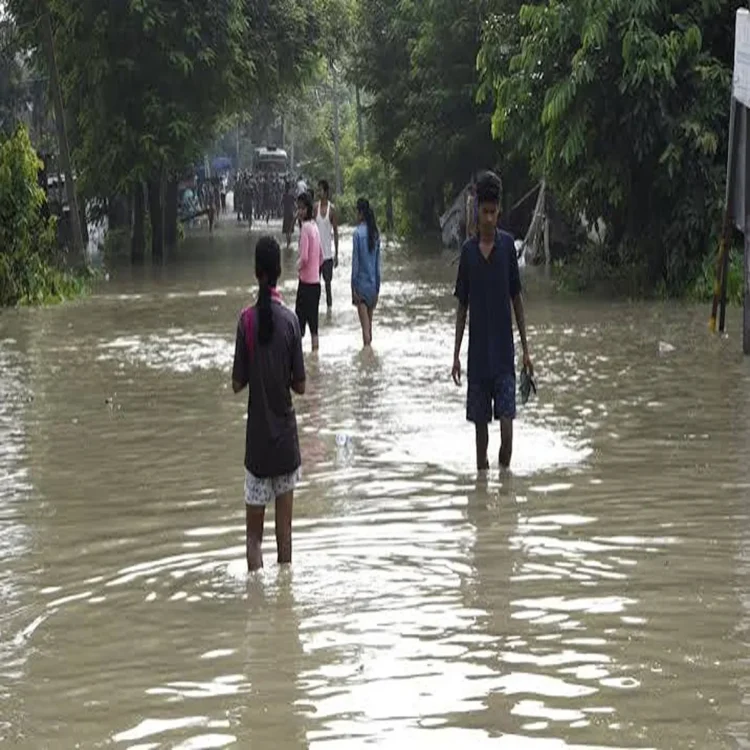
Disaster – The impact of the recent flooding continues to haunt residents of Nepalikuti, a village located in the Nazira Assembly constituency of Assam’s Sivasagar district, where hundreds of families are trying to recover after losing homes, farmland, livestock and valuable possessions. Although the floodwater has receded, widespread destruction has left the community facing an uncertain future with urgent needs for food, shelter and financial support.
Flood Arrived Within Hours, Causing Widespread Damage
According to local residents, water from the Dikhow River rushed into the village around 11 a.m. on July 19, spreading rapidly and overwhelming the area within a short period. The force of the current destroyed houses, submerged agricultural fields and swept away cattle sheds, stored grains, farming tools and household belongings. Many families who relied on farming and livestock for their daily income suffered severe setbacks as their primary means of livelihood disappeared almost overnight.
Livelihoods Destroyed as Livestock Perish
The flood dealt a major blow to dairy farmers and cultivators, with many cows, buffaloes and other animals either washed away or killed. Residents said carcasses remain in several cattle sheds, creating foul odours and raising fears about possible health risks if they are not removed quickly. The loss of livestock has left many households without a dependable source of income, making recovery even more challenging.
Krishna Sharma, a resident, told ANI that the flood caused extensive destruction across the area, leaving numerous families without shelter, food or a means to earn a living. He appealed to the government to provide immediate relief assistance and fair compensation for those affected.
Families Forced Onto Rooftops for Safety
Villagers recalled that the water level rose so quickly that many people climbed onto the roofs of their homes to escape. However, several structures later collapsed under the pressure of the strong current. Residents claimed that around nine to ten people have either died or remain missing following the disaster, while some families are still waiting for information about their loved ones.
Thick Layers of Sand Hamper Recovery
Even after the floodwater drained away, recovery efforts remain difficult because large deposits of sand and silt now cover homes and open spaces. In several parts of the village, only fragments of walls, bamboo frames and sections of tin roofing are visible, illustrating the scale of the destruction. Household goods including beds, cupboards, clothing, televisions, kitchen utensils and farming equipment remain buried beneath the debris.
Another resident told ANI that although the water had receded, daily life had not returned to normal because homes and belongings remain trapped under layers of mud and sand. The resident also highlighted shortages of safe drinking water, food and temporary shelter while requesting urgent administrative assistance.
Relief Work Continues Amid Ongoing Challenges
Floodwaters also carried large amounts of bamboo, fallen trees and other debris into the village, making cleanup operations more difficult. The accumulated waste has slowed efforts to remove animal carcasses, inspect damaged properties and restore normal conditions.
District authorities have started clearing major roads to reconnect affected areas, but many internal roads and residential locations remain covered with sand and silt. Residents continue to face shortages of clean drinking water, healthcare services, food supplies and temporary accommodation as relief operations progress.
Asha Devi, another resident of Nepalikuti, told ANI that her family lost their home, livestock and possessions during the flood. She said the community urgently requires clean drinking water, medical assistance, food supplies, temporary shelter and financial compensation to begin rebuilding their lives.
Residents Seek Long-Term Rehabilitation
Local people said important documents, cash savings, agricultural equipment and personal belongings belonging to many families are still buried beneath the debris. With livelihoods destroyed, numerous households are now depending on government assistance, voluntary organisations and community support for survival.
Residents have appealed to the state government and district administration to accelerate cleaning operations, safely dispose of dead livestock, ensure the supply of drinking water and healthcare services, provide temporary housing and offer adequate compensation to farmers who lost crops, livestock and other income sources. The situation in Nepalikuti reflects the continuing challenges faced by flood-affected communities across Assam, where rebuilding lives will require sustained relief and rehabilitation efforts long after the waters have disappeared.