
Inflation – Rising Food and Energy Costs May Push India’s Inflation Higher in FY27
Inflation – India’s inflation trajectory is expected to move upward in the 2026-27 financial year as higher food and energy costs begin to exert pressure on household expenses, according to a recent assessment by Bank of Baroda. The report estimates that retail inflation could average around 5 per cent during FY27. At the same time, underlying price pressures, commonly measured through core inflation, are projected to stay relatively stable near 4.5 per cent. Analysts also noted that weather-related uncertainties, particularly the possibility of an El Nino event, will require close observation in the coming months.
Recent increase in consumer prices
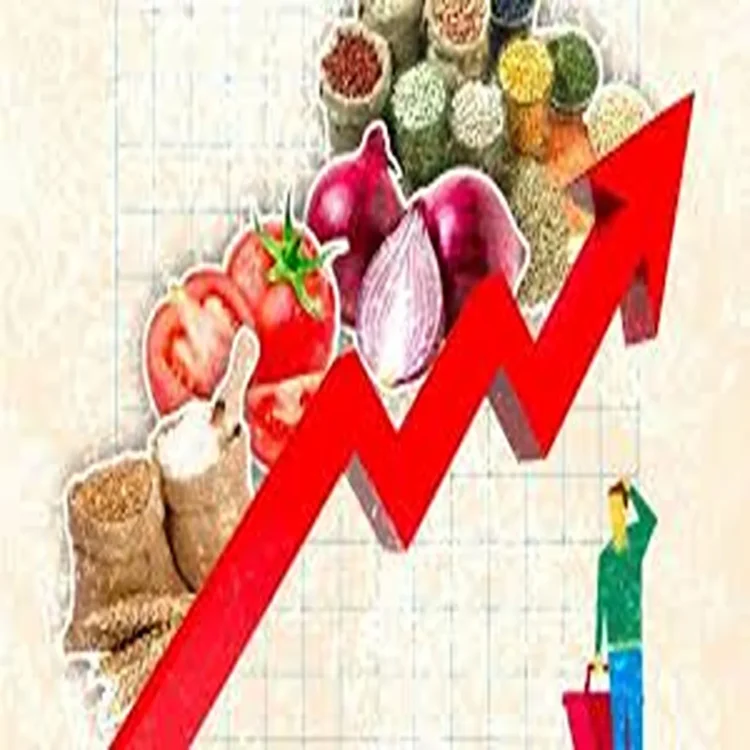
The latest data indicate that inflationary pressures have already started to build. Retail inflation, which averaged nearly 3.1 per cent during the January-March quarter of 2026, increased to 3.48 per cent year-on-year in April. A significant contributor to this rise was food inflation, which accelerated to 4.2 per cent in April from 3.2 per cent in the previous quarter. Meanwhile, core inflation remained comparatively steady at 3.7 per cent, suggesting that food-related costs were the primary factor behind the overall increase.
Wholesale prices record sharp jump
The report also highlighted a strong surge in wholesale inflation. In April 2026, wholesale prices climbed 8.3 per cent compared with the same period a year earlier, marking the highest level seen in more than three years. This was a substantial increase from the average reading of 2.6 per cent recorded during the first quarter of the calendar year. Fuel products and manufactured goods were identified as the main drivers of the wholesale price increase.
Food and energy markets remain under pressure
Several food categories have experienced noticeable price increases in both retail and wholesale markets. Products such as meat, seafood, fruits, edible oils and processed food items have registered higher inflation levels. The report pointed out that elevated international prices for energy, food commodities and fertilisers could further influence domestic markets. As a result, staples such as edible oils and pulses may remain vulnerable to additional price increases if global trends continue.
Summer weather adds to concerns
Seasonal conditions are also expected to play a role in shaping food prices. Extreme heat across large parts of northern and central India could affect the supply of perishable products. Fruits and vegetables, which are particularly sensitive to weather fluctuations, may witness short-term price increases as high temperatures impact production and transportation.
Government stocks provide some support
On the policy front, higher Minimum Support Prices encouraged strong procurement activity, especially in wheat. Government wheat purchases reached their highest level in four years, helping maintain foodgrain reserves well above the required buffer stock levels by the end of March 2026. The availability of comfortable stock levels enabled authorities to allocate 5.2 million tonnes of rice for ethanol production while also easing certain restrictions related to wheat exports.
Monsoon outlook remains a key risk
Despite the current strength in agricultural procurement and stock availability, weather conditions remain a major concern. The report warned that the possible development of El Nino during the upcoming kharif season could create challenges for agricultural output. Forecasts indicate below-normal rainfall across several important farming regions in northwestern, central and southern India.
Potential impact on crop production
A significant portion of India’s agricultural production comes from the Monsoon Core Zone, an area expected to receive lower rainfall coverage this year. If rainfall remains inadequate, crops that depend heavily on seasonal rains—including pulses, oilseeds, coarse cereals and spices—could face production setbacks. The report added that lower soil moisture levels and insufficient water storage in reservoirs may further affect agricultural productivity, potentially influencing food prices in the months ahead.