
Reservoir – Bhakra Dam Water Inflows Drop Sharply Amid Low Snowfall
Reservoir – A significant decline in water inflows to the Bhakra reservoir has been recorded this year as lower-than-normal snowfall in the upper Sutlej basin and delayed snowmelt continue to affect river discharge. Officials monitoring the reservoir have reported that incoming water levels are substantially below historical averages, raising concerns as the agricultural season gains momentum across northern states.
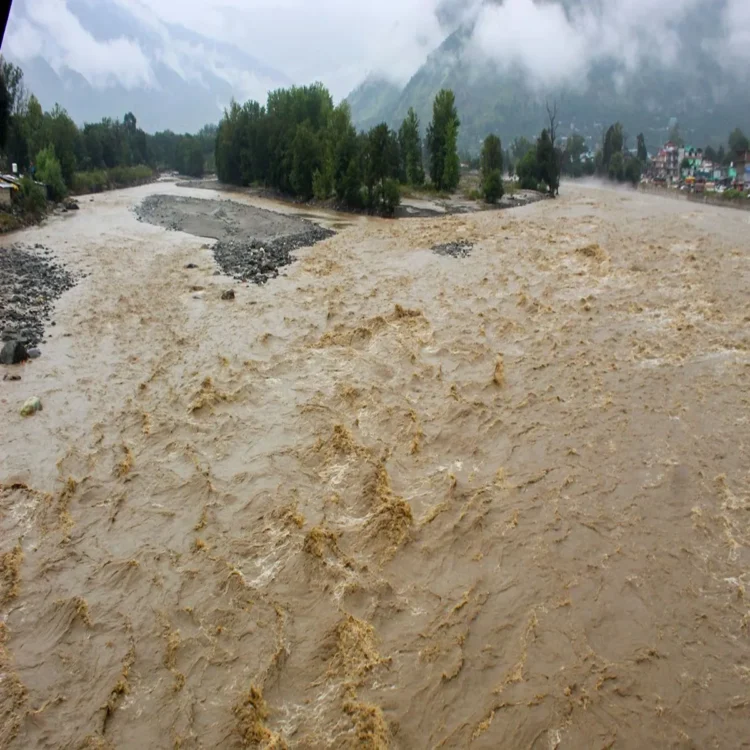
Reduced Snow Accumulation Impacts River Flow
Data released on June 11 indicates that the amount of water entering the Bhakra reservoir between May 21 and June 11 was considerably lower than usual. During this period, cumulative inflows were measured at 3,03,307 cusecs, compared with the long-term average of 5,91,876 cusecs. In terms of water volume, inflows reached 0.74 billion cubic metres, while the average for the same period stands at 1.45 billion cubic metres.
Daily inflow figures also reflected the slowdown. The reservoir received 16,527 cusecs on June 11, which was nearly half the normal average of 32,706 cusecs. The figure was also below the 28,015 cusecs recorded on the corresponding date last year.
Reservoir Levels Remain Above Average
Despite weaker inflows, water storage levels at the Bhakra reservoir remain relatively strong. Reservoir measurements taken on June 11 showed a water level of 1,576.65 feet. This was notably higher than the 1,555.30 feet recorded on the same date in the previous year and well above the long-term average level of 1,545.39 feet.
The higher storage level has provided some relief, helping maintain water availability even as river inflows remain under pressure.
Outflow Exceeds Incoming Water
Authorities reported that water releases from the dam continued to remain above incoming flows. On June 11, the reservoir released 23,163 cusecs while receiving only 16,527 cusecs. As a result, the reservoir level declined by approximately 0.70 feet during the day.
The increase in water releases is linked to growing irrigation demand in Punjab and Haryana, where paddy cultivation activities have begun. Agricultural requirements typically rise during this period, increasing pressure on reservoir resources.
Lower Winter Snowfall Behind Current Situation
Officials familiar with hydrological assessments said snowfall across the Sutlej catchment in Himachal Pradesh was significantly below normal during the recent winter season. The region generally receives around 4 billion cubic metres of snowfall. However, only about 2.2 billion cubic metres were recorded this year.
The reduced snow reserve has limited the volume of meltwater feeding rivers during the summer months. In addition, recurring western disturbances kept temperatures lower than usual in high-altitude areas, slowing the melting process and delaying runoff into downstream reservoirs.
Other Major Reservoirs Also Report Lower Inflows
The trend was not limited to Bhakra alone. Several other key reservoirs in the region also recorded weaker inflows than their seasonal averages.
At Pandoh Dam, inflows were measured at 6,869 cusecs, compared with the average of 12,069 cusecs. Ranjit Sagar Dam received 4,854 cusecs against its average of 9,755 cusecs. Pong Dam also reported lower inflows, receiving 2,129 cusecs compared with the typical seasonal average of 6,420 cusecs.
Hope for Improvement Later This Month
Water management authorities remain cautiously optimistic about conditions improving in the coming weeks. Forecasts suggest temperatures in the upper Himalayan catchments could rise after June 21, accelerating the melting of remaining snow reserves.
According to meteorological projections, western disturbances may continue influencing weather conditions for a few more days. Once temperatures begin increasing, additional snowmelt is expected to enhance water flow into the Sutlej River, which could subsequently improve inflows into the Bhakra reservoir and support water availability during the peak farming season.