
Terrorism – Salman Rushdie Stabbing Case Ends With Federal Terrorism Conviction
Terrorism – A man convicted of carrying out the violent attack on renowned author Salman Rushdie has now been found guilty on federal terrorism-related charges, adding a significant legal development to a case that has drawn international attention for years.
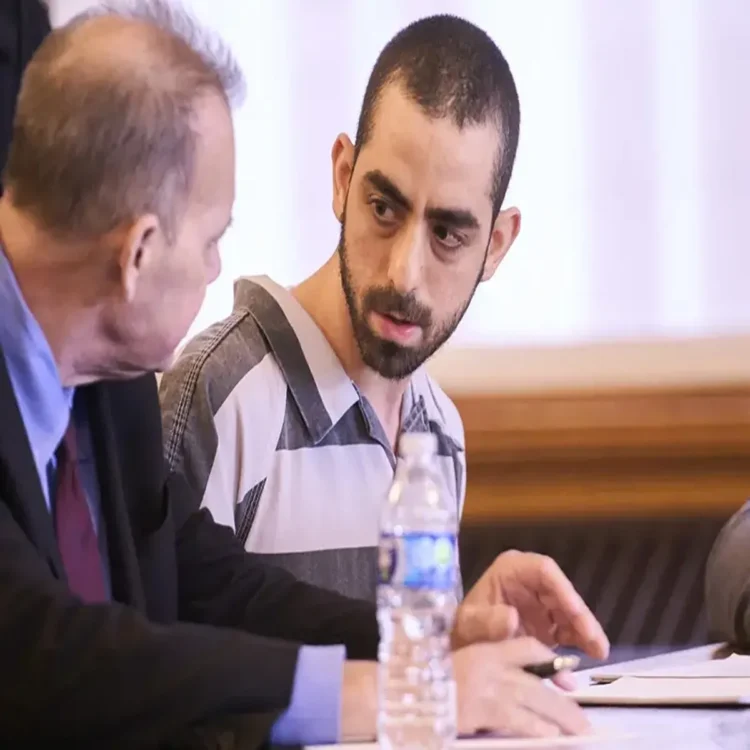
Federal Jury Delivers Terrorism Verdict
A federal jury in the United States has convicted Hadi Matar, the man responsible for the 2022 knife attack on celebrated author Salman Rushdie, on terrorism-related offenses. The verdict was delivered on Wednesday (local time), with jurors concluding that Matar acted in support of objectives linked to Iran and knowingly provided assistance to a terrorist organization.
According to federal prosecutors, the attack was motivated by the decades-old religious decree, or fatwa, issued in 1989 by Iran’s former Supreme Leader, Ayatollah Ruhollah Khomeini. The order called for Rushdie’s death following the publication of his novel The Satanic Verses, which many hardline Islamic clerics considered offensive and blasphemous.
Evidence Presented During the Trial
During the proceedings, prosecutors argued that Matar had connections with Hezbollah, the Lebanon-based militant group backed by Iran. To support their case, they introduced photographs showing Matar wearing clothing featuring Hezbollah-related writing, along with a propaganda-style video that included speeches by Khomeini and a senior Hezbollah figure.
Defense attorney Nathaniel Barone acknowledged that Matar carried out the stabbing but rejected claims that his client acted under the direction of Iran or Hezbollah. Instead, the defense maintained that Matar acted independently, driven by his personal outrage over Rushdie’s writings rather than as part of any coordinated terrorist plan.
Previous Conviction and Possible Life Sentence
Matar, 28, had already been convicted in a New York state court in 2024 for the attempted murder of Rushdie. He is currently serving a 25-year prison sentence for that conviction.
Under the U.S. legal system, criminal defendants may face separate prosecutions in state and federal courts when the same incident involves violations of different laws. As a result, Matar now faces an additional federal sentence. When he returns to court for sentencing in Buffalo this November, he could receive a life sentence without the possibility of parole.
Rushdie’s Long History With the Fatwa
Salman Rushdie has lived under the shadow of the 1989 fatwa for more than three decades. After the decree was announced, the Booker Prize-winning novelist spent years in hiding under British government protection before eventually resuming a more public life.
Rushdie later settled in New York City, where he has continued his literary work while also serving as a university professor. Despite the longstanding threats against him, he remained active in public events and literary discussions.
Brutal Attack Left Lasting Injuries
The attack took place at the Chautauqua Institution in New York State, where Rushdie had been invited to speak at a literary event focused on the importance of protecting writers and freedom of expression. During the trial, the author described the immediate aftermath of the assault, recalling that he found himself surrounded by what he described as “an enormous and expansive lake of blood.”
The stabbing caused severe and permanent injuries. Rushdie lost vision in his left eye, suffered significant damage to his left hand, and sustained injuries to his liver. Following his recovery, he documented the experience in his memoir Knife: Meditations After an Attempted Murder, reflecting on the attack and its impact on his life.