
RailwayDevelopment – Administrative Division Issues Slow Tirupati Rail Expansion Plans
RailwayDevelopment – Tirupati district’s railway network is facing significant development challenges due to its unusual administrative structure, where railway operations are managed by four separate divisions belonging to two different railway zones. Stakeholders say this fragmented arrangement has created hurdles in planning, coordination, and execution of railway infrastructure projects in one of India’s busiest pilgrimage regions.
Multiple Divisions Oversee Different Parts of the District
The district is currently divided among four railway divisions operating under the South Coast Railway and Southern Railway zones. Key railway hubs such as Tirupati and Renigunta fall under the Guntakal Division. Meanwhile, stations including Puttur, Nagari, Naidupeta, and Sullurupeta are administered by the Chennai Division.
In addition, the Srikalahasti–Nadikudi railway route comes under the jurisdiction of the Guntur Division, while Gudur Railway Station is managed by the Vijayawada Division. This distribution of responsibilities across multiple divisions has resulted in a complex administrative framework.
Concerns Over Delays in Development Projects
Railway representatives and local stakeholders argue that the division of the district among multiple authorities has slowed the progress of important railway initiatives. According to railway activists, coordination between different divisions and zones often requires additional administrative procedures, which can affect the pace of project approvals and implementation.
They believe that the existing arrangement has contributed to delays in infrastructure upgrades and other development activities that are important for improving passenger services in the region.
Demand for a Dedicated Railway Division
Several railway unions and public representatives have renewed calls for the establishment of a dedicated railway division centered on Tirupati. Supporters of the proposal argue that a single administrative authority would help streamline decision-making, improve coordination, and ensure faster execution of railway projects.
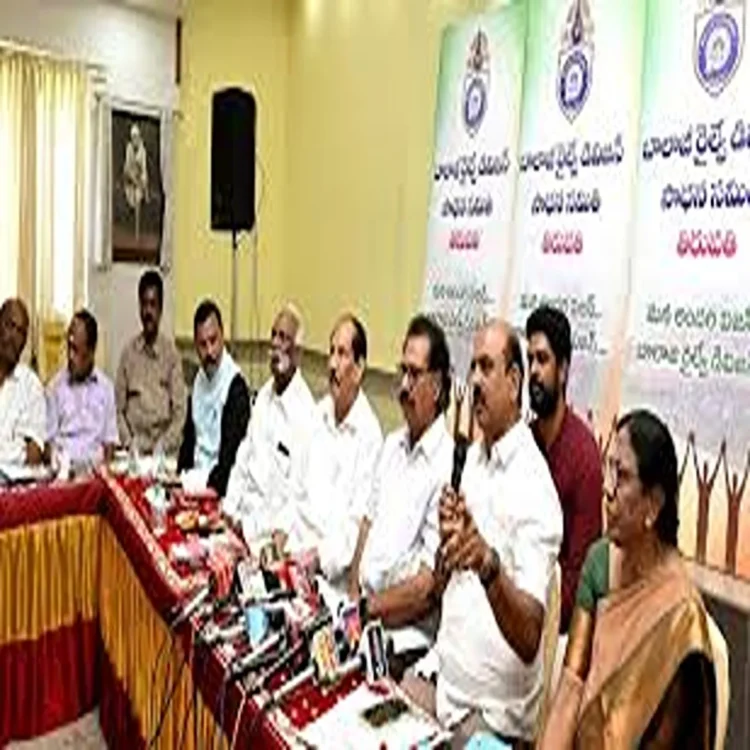
Kuppala Giridhar, Convener of the Balaji Railway Division (Tirupati) Sadhana Samithi, said that unresolved administrative issues have continued to impact railway development across the district. He emphasized that addressing these long-standing concerns is essential for meeting the growing transportation needs of the region.
Rising Passenger Numbers Strengthen the Case
Former District Railway Users Consultative Committee member Gundluru Venkataramana noted that passenger movement in the Tirupati region has been increasing consistently over the years. As one of the country’s most prominent pilgrimage destinations, the district attracts a large number of visitors throughout the year, placing additional demand on railway infrastructure and services.
Supporters of railway reforms argue that a dedicated administrative setup would enable authorities to respond more effectively to increasing passenger requirements and future expansion plans.
Appeal to the Ministry of Railways
Political leaders, railway employee organizations, and members of civil society have jointly urged the Ministry of Railways to review the current administrative arrangement. They have recommended bringing the entire Tirupati district under a single railway zone and one railway division.
According to them, a unified administrative structure would reduce procedural complexities, strengthen coordination, and support faster implementation of railway projects. Stakeholders believe such a move could play an important role in improving railway connectivity and infrastructure development across the district while enhancing services for both residents and pilgrims.