
Governance – Mumbai Authorities Urged to Address Roadside Prayer Concerns
Governance – A fresh discussion over the use of public spaces for religious activities has emerged in Mumbai after BJP leader Kirit Somaiya appealed to civic and law enforcement authorities to take action regarding prayers being conducted on public roads. In a formal communication sent on Tuesday, he requested immediate administrative intervention, stating that such gatherings can affect traffic movement and create difficulties for commuters and residents in several parts of the city.
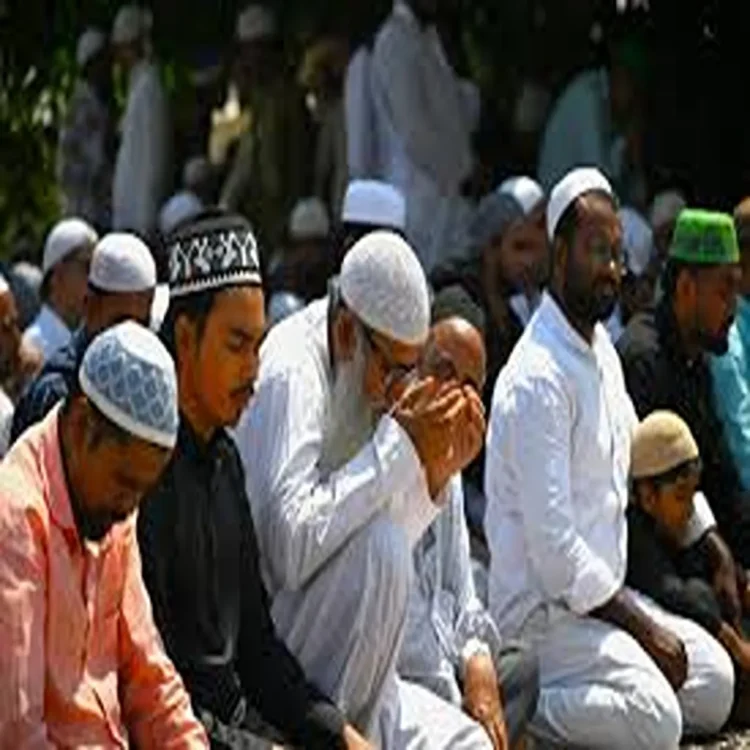
Letter Sent to Key Administrative Officials
Somaiya addressed his concerns to senior officials, including the Municipal Commissioner of Mumbai, the Police Commissioner, the Joint Commissioner of Traffic Police, and district collectors responsible for Mumbai city and suburban regions. In the letter, he pointed to locations where prayer gatherings are reportedly held near railway stations and along busy roads, particularly in areas that already experience significant traffic pressure.
According to the BJP leader, large congregations during Friday prayers can lead to congestion and make it challenging for traffic authorities to manage vehicle movement efficiently. He argued that major roads, intersections, and other high-density public areas should remain accessible for regular public use and transportation needs.
Emphasis on Public Order and Traffic Flow
The communication also referred to judicial observations and administrative guidelines concerning the use of parks, open grounds, and public spaces. Somaiya maintained that existing principles related to public space management should be implemented consistently to ensure civic order and minimize disruptions.
He stressed that Mumbai, being one of the country’s most densely populated metropolitan regions, requires careful management of roads and public infrastructure. In his view, maintaining smooth traffic operations, protecting public convenience, and ensuring effective law enforcement should remain central priorities for the administration.
Request for Clear Administrative Guidelines
As part of his appeal, Somaiya urged authorities to establish and enforce clear regulations governing religious activities on roads and other public areas. He called for coordinated action among civic bodies, police departments, and district administrations to prevent situations that could interfere with daily movement across the city.
Copies of the letter were also forwarded to additional officials involved in urban governance and traffic management, highlighting the need for a unified approach to the matter.
Congress Leader Responds to the Demand
Reacting to the issue, Congress leader Husain Dalwai offered a different perspective. He said that in some cases, worshippers may gather outside mosques when available indoor space is insufficient to accommodate large numbers of people, especially during major congregational prayers.
Dalwai noted that he has personally encouraged members of the Muslim community to organize multiple prayer sessions within mosque premises whenever possible. According to him, such arrangements could help reduce the need for worshippers to use nearby public areas.
Call for Uniform Standards Across Communities
While responding to Somaiya’s concerns, Dalwai also questioned whether identical standards were being applied to all religious and cultural activities conducted in public spaces. He pointed out that roads are often used for a variety of events, including festival processions, religious celebrations, wedding ceremonies, and funeral gatherings.
He argued that any rules governing the use of public roads and open spaces should be implemented fairly and without discrimination. In his view, regulations should apply equally to all communities, regardless of religious affiliation.
Dalwai further stated that public policy decisions concerning civic spaces should focus on maintaining fairness and consistency. He added that if authorities decide to introduce stricter regulations for public gatherings, those measures should be enforced uniformly across all groups to avoid perceptions of unequal treatment.
The exchange between the two leaders reflects a broader and continuing discussion about balancing religious practices, civic convenience, and the management of public spaces in a rapidly growing urban environment such as Mumbai.