
Russia Sanctions – US Senate Passes Bill That Could Hit Major Buyers With Tariffs
Russia Sanctions – The US Senate has approved a wide-ranging sanctions measure targeting Russia and Iran, a move that could expose some of the world’s biggest buyers of Russian energy to tariffs of as much as 100 per cent.
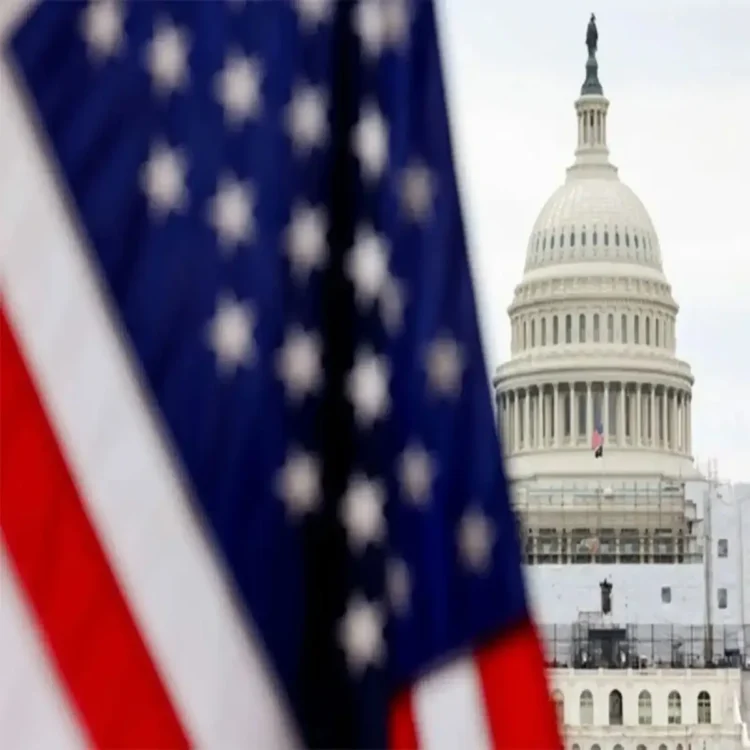
The Lindsey Graham Sanctioning Russia and Iran Act of 2026 cleared the Senate by an 86-11 vote and will now move to the House of Representatives. The legislation does not specifically name India in its text, but its provisions could affect India, China, Brazil and other countries that continue to purchase significant amounts of Russian oil and gas.
Bill Relies on Trade Data to Identify Countries
Rather than listing countries directly, the proposed law instructs the US administration to use trade data to determine which nations fall under its tariff provisions. The assessment would cover the five biggest importers of Russian crude oil, the five largest buyers of Russian natural gas and the five countries considered to be leading facilitators of efforts to bypass sanctions on Russian oil.
The calculations would use data from the latest 12-month period. The list of countries would then be reassessed every 180 days, allowing the administration to update the countries covered by the measure.
India, China and Brazil Mentioned by Republican Senator
Republican Senator Deb Fischer separately referred to India, China and Brazil while backing the legislation. Her comments, however, are not part of the bill’s statutory language.
Fischer argued that major purchasers of Russian energy help sustain Moscow’s revenues by buying fuel at lower prices and, in some cases, reselling it at a higher value. She said the legislation was intended to encourage the largest buyers of Russian energy to reduce their reliance on Moscow.
Sanctions Would Target Russian Officials and Financial Networks
The bill also proposes primary and secondary sanctions against Russian government officials, wealthy individuals, their relatives, banks and other financial institutions. Foreign entities that assist Russia’s war effort would also face restrictions under the proposed framework.
Another target is Russia’s so-called shadow fleet, a network of vessels used to transport oil and help circumvent international sanctions.
Democratic Senator Richard Blumenthal supported the measure, saying the legislation was intended to increase pressure on the Kremlin and reinforce US backing for Ukraine.
Iran Sanctions Act Would Continue Through 2031
The legislation goes beyond Russia-related measures. It would extend the Iran Sanctions Act of 1996 through 2031. That law places restrictions on companies involved in investments in Iran’s energy industry.
The bill was named for Republican Senator Lindsey Graham, who had negotiated an agreement with the White House before his sudden death on July 11. Following his death, senators moved more quickly to advance the legislation.
Tariff Provision Creates Division Among Democrats
The proposal to impose tariffs has been one of the most contentious parts of the bill. An amendment introduced by Republican Senator Rand Paul and Democratic Senator Ron Wyden sought to remove the tariff provisions, but the effort was defeated by a 32-64 vote.
Democratic Senator Raphael Warnock also had concerns about the measure. He lifted his hold after US Trade Representative Jamieson Greer gave a written assurance that the administration would implement the legislation according to its wording.
Warnock said pressure on Russian President Vladimir Putin was necessary but argued that lawmakers should also consider the broader implications of giving the administration additional tariff powers.
House Decision Remains Uncertain
The bill now faces an uncertain path in the House. House Foreign Affairs Committee ranking Democrat Gregory Meeks and Representative Don Beyer have criticized the Senate version, particularly because they believe it would give President Donald Trump extensive tariff authority while maintaining broad presidential waiver powers over sanctions.
The House is currently in recess until August 31 and has not announced whether it will take up the Senate legislation.
In June, the House passed a separate Russia sanctions and Ukraine aid bill after supporters used a discharge petition to force the measure to the floor. Whether lawmakers will pursue a similar route for the Senate bill remains unclear.