
Nuclear Hydrogen Production – India Achieves Major Breakthrough in Clean Energy Innovation
Nuclear Hydrogen Production – India has marked another significant milestone in its clean energy journey with the successful launch of a pioneering hydrogen production facility that combines nuclear technology with sustainable fuel generation.
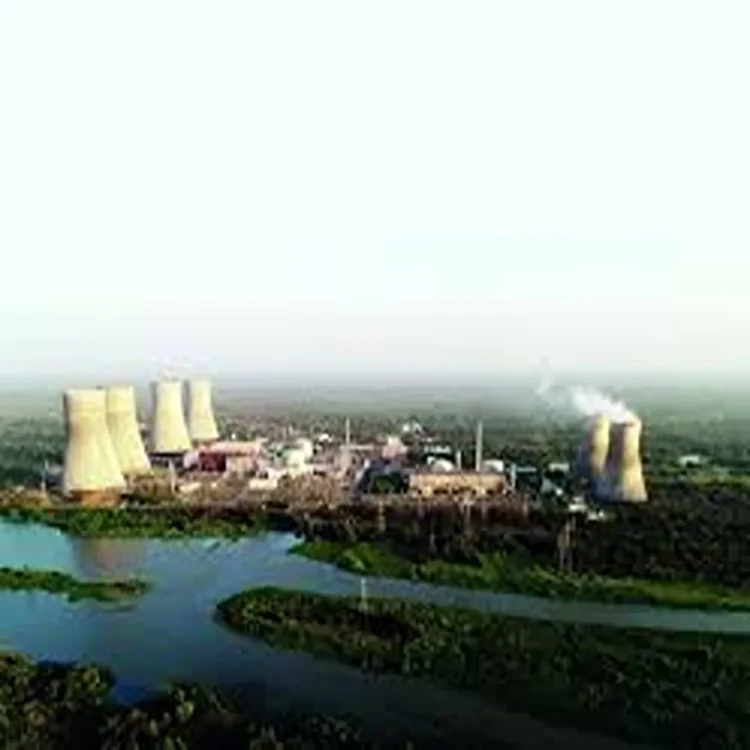
India Unveils Landmark Nuclear-Based Hydrogen Production Facility
India has taken a major step toward strengthening its clean energy ambitions with the inauguration of the world’s first hydrogen production facility based on the Copper-Chlorine (Cu-Cl) Thermochemical Cycle. The project has been developed by the Department of Atomic Energy (DAE) at the Indira Gandhi Centre for Atomic Research (IGCAR) in Kalpakkam, where it utilizes nuclear process heat generated by the Fast Breeder Test Reactor (FBTR).
The newly commissioned plant has been introduced as a technology demonstration project, showcasing the practical use of nuclear energy to produce hydrogen without generating carbon emissions. Officials believe this development could play a key role in supporting the country’s long-term transition toward cleaner energy systems.
Nuclear Energy Seen as a Reliable Partner for Hydrogen Production
Speaking on the occasion, Dr. Ajit Kumar Mohanty, Secretary of the Department of Atomic Energy and Chairman of the Atomic Energy Commission, highlighted the growing importance of combining nuclear power with emerging clean technologies. He said nuclear energy offers dependable carbon-free electricity while also providing high-temperature process heat, making it highly suitable for industrial-scale hydrogen production.
According to him, integrating these technologies will contribute to India’s energy security, reduce carbon emissions, and support the country’s broader sustainable development goals. He noted that nuclear-powered hydrogen production has the potential to become an important component of India’s future clean energy ecosystem.
Indigenous Technology Powers the Demonstration Project
The hydrogen generation system is based on the Cu-Cl thermochemical process developed by scientists at the Bhabha Atomic Research Centre (BARC) in Mumbai. The facility has been established to validate this indigenous technology under real operating conditions by using nuclear process heat supplied from the Fast Breeder Test Reactor.
Officials described the successful integration of nuclear heat with hydrogen production as a significant technological advancement. The achievement demonstrates that advanced nuclear reactors can support large-scale, carbon-free hydrogen production while expanding the role of nuclear energy beyond electricity generation.
Scientists Recognised for Years of Dedicated Research
Dr. Mohanty praised the teams from BARC and IGCAR for turning an advanced scientific concept into an operational facility. He acknowledged the dedication of scientists, engineers and technical experts whose sustained efforts made the project possible.
He said the accomplishment reflects India’s growing expertise in advanced nuclear technologies and reinforces the country’s ability to develop innovative clean energy solutions using home-grown research and engineering capabilities.
Decades of Reactor Experience Contribute to Success
Sreekumar G. Pillai, Director of IGCAR, stated that the project builds upon more than forty years of experience gained through the Fast Breeder Test Reactor programme. He said the successful demonstration highlights the flexibility of advanced nuclear systems in supporting new energy applications beyond conventional power generation.
According to him, the project strengthens IGCAR’s commitment to developing technologies that promote India’s clean energy transition while improving long-term energy security. As hydrogen gains global attention as a low-carbon fuel, the successful demonstration places India among the leading nations exploring innovative methods for sustainable hydrogen production through advanced nuclear technology.