
Leadership – Siddaramaiah Ends Historic Tenure as Karnataka Chief Minister
Leadership – Karnataka witnessed a major political development on Thursday as veteran Congress leader Siddaramaiah formally stepped down from the post of chief minister, closing another significant chapter in his long public career.
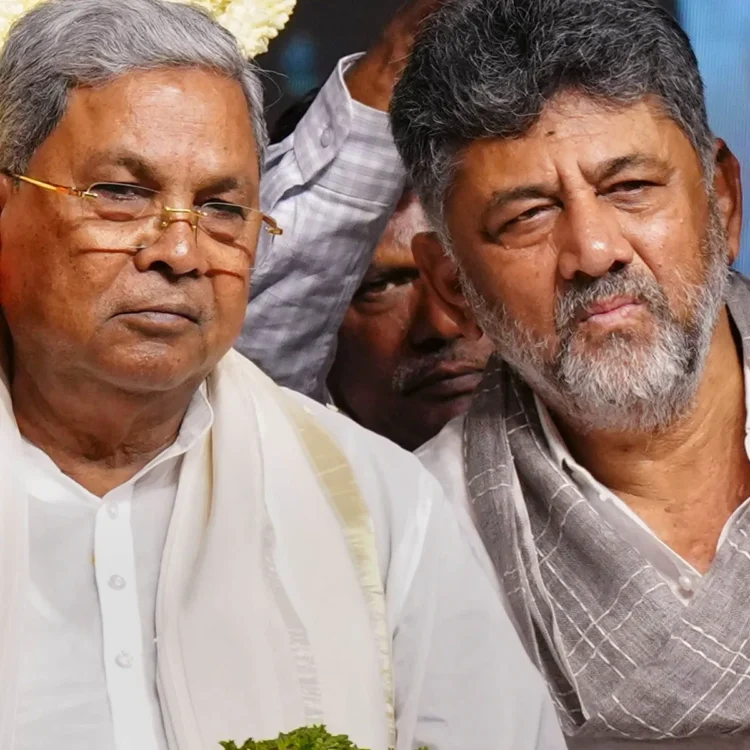
The resignation, submitted at Lok Bhavan in Bengaluru, came amid weeks of speculation over a possible change in leadership within the ruling Congress government. Siddaramaiah handed over his resignation letter to the Governor’s Secretary in the presence of Deputy Chief Minister D.K. Shivakumar, cabinet colleagues, and senior party functionaries.
Addressing reporters later in the day, Siddaramaiah confirmed that he had acted following instructions from the party leadership. He explained that the Governor was away from Bengaluru and expected to return later in the evening, prompting him to submit the resignation to the Governor’s office through officials.
The 78-year-old leader said he had consistently maintained that he would vacate the position whenever directed by the Congress high command. According to him, the leadership communicated its decision two days earlier, after which he chose to step down without delay.
Political Career Marked by Longevity
Siddaramaiah’s exit from office marks the end of one of the longest and most influential political tenures in Karnataka’s modern history. Over several decades, he emerged as one of the state’s most recognizable mass leaders and served multiple terms as Chief Minister.
With his resignation, Siddaramaiah joins a select list of Karnataka politicians who have occupied the state’s top post more than once. Political observers often describe him as one of the most enduring regional leaders produced by the Congress in southern India.
Born in August 1947 in Siddaramanahundi village of Mysuru district, Siddaramaiah came from a modest rural background. During his early years, he assisted his family in agricultural work and cattle rearing before pursuing formal education. He later earned a law degree, which paved the way for his entry into public life.
Rise Through Regional Politics
His political journey began in the late 1970s when he contested Assembly elections from the Chamundeshwari constituency. Although unsuccessful in his first attempt, he gradually established himself in Karnataka politics and later secured victories as an Independent and under different party banners.
Siddaramaiah’s association with former Prime Minister H.D. Deve Gowda played a major role in shaping his political growth. During his years in the Janata Dal, he handled key responsibilities, including the finance portfolio, and later became Deputy Chief Minister in the J.H. Patel government.
However, ideological disagreements eventually created distance between Siddaramaiah and the Janata Dal leadership. In 2006, he joined the Congress in the presence of Sonia Gandhi, a move that significantly altered Karnataka’s political landscape.
Welfare Politics and Administrative Decisions
Supporters of Siddaramaiah often credit him for focusing on welfare measures and social justice policies during his tenure. His government introduced initiatives linked to reservation policies, representation of backward communities, and targeted welfare programmes aimed at economically weaker sections.
He also became known for giving political space to leaders from marginalized communities within the cabinet and party structure. Several of his policy decisions were projected by the Congress as measures designed to strengthen inclusive governance.
At the same time, opposition parties frequently criticized his administration, accusing it of practicing appeasement politics. Despite political attacks, Siddaramaiah remained one of the BJP’s most vocal critics in Karnataka and consistently targeted the RSS and senior national leaders of the ruling party.
Electoral Success and Leadership Influence
Across his political career, Siddaramaiah contested 12 Assembly elections and won nine times. He also earned recognition for presenting 17 state budgets, a notable achievement in Karnataka’s legislative history.
One of the biggest milestones in his career came in 2013 when he took oath as Chief Minister for the first time under the Congress banner. He later returned to power again, further strengthening his influence within the party.
Even after electoral setbacks in certain constituencies, Siddaramaiah continued to remain central to Karnataka politics. Following the Congress-JD(S) coalition arrangement in 2018, he played a key coordination role between alliance partners before later serving as Leader of the Opposition.
New Political Phase for Karnataka
His resignation now opens a fresh phase in Karnataka politics as the Congress prepares for leadership transition within the state government. Party leaders and supporters have described Siddaramaiah’s tenure as a defining period marked by welfare-driven governance and strong political influence.
While discussions over the next Chief Minister continue, Siddaramaiah’s long public career remains one of the most significant political stories in Karnataka over the past five decades.