
Family Card – Delhi Plans Unified Household Database to Streamline Welfare Services
Family Card – The Delhi government is preparing to roll out a new Family Card for every household in the national capital as part of an initiative to build a verified database that can improve the delivery of welfare programmes and public services.
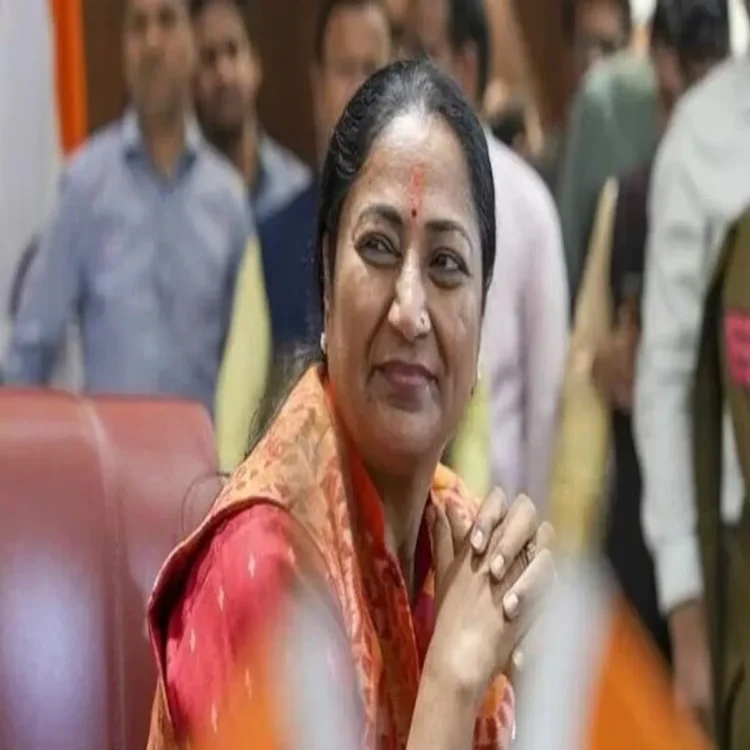
The Delhi government is working on a proposal to introduce a Family Card covering every household across the city. Officials said the initiative is intended to establish a single, authenticated database containing essential details of families, making it easier for departments to coordinate welfare measures, healthcare services and future development plans. The database is expected to help authorities identify eligible beneficiaries more efficiently and improve policy planning.
Unified Database for Better Governance
According to senior government officials, the proposed Family Card will include information about every member of a household. The records are expected to contain details such as participation in government welfare schemes, birth and death registrations, and other important family-related information. Officials believe maintaining a verified database will reduce duplication of records and enable government agencies to access reliable information while implementing public welfare programmes.
The administration has indicated that the project is designed to strengthen governance by ensuring that information collected across different departments is available in a structured and coordinated manner. This approach is expected to improve planning for future social welfare initiatives and public healthcare projects.
Model Inspired by Haryana Initiative
Officials noted that Delhi’s proposal follows a similar concept already implemented in neighbouring Haryana through the Parivar Pehchan Patra programme. That system provides a unique family identification record containing comprehensive information about each household, helping the state streamline the delivery of government benefits and public services.
Delhi authorities are studying comparable models to develop a system suited to the capital’s administrative requirements while ensuring that family records remain accurate and regularly updated.
Supporting Health and Public Welfare Services
The proposed Family Card is also expected to improve coordination among various government departments, particularly in the healthcare sector. Officials explained that having a consolidated family database could help monitor important public health programmes, including childhood vaccination campaigns.
With access to updated household records, departments may be able to identify whether eligible children have received scheduled vaccinations and take timely steps wherever immunisation remains incomplete. Authorities believe such coordination could strengthen the implementation of preventive healthcare initiatives across the city.
Link to Recently Approved Welfare Scheme
The Family Card proposal comes soon after the Delhi government approved the Delhi Lakshmi Yojna, a financial assistance programme aimed at supporting eligible women. Under the scheme, qualified women between the ages of 21 and 60 years will receive monthly financial assistance of Rs 2,500.
The scheme, however, excludes women from families with more than three children and households whose annual electricity consumption exceeds 2,400 units. The government has allocated Rs 5,110 crore in the 2026-27 Budget to implement the programme.
Officials indicated that a verified household database created through the proposed Family Card could also assist in identifying eligible beneficiaries for welfare schemes such as the Delhi Lakshmi Yojna, ensuring that benefits reach intended recipients while improving transparency in programme implementation.
If approved and implemented, the Family Card initiative is expected to become a key administrative tool for strengthening public service delivery, improving inter-departmental coordination and supporting evidence-based policymaking across the national capital.