
Ethanol – Government Reaffirms E20 Fuel Safety After Extensive Vehicle Testing
Ethanol – The Central Government has reiterated that its ethanol blending initiative is backed by extensive scientific research and practical experience, stating that E20 petrol has not shown any significant negative impact on vehicle performance or engine durability.
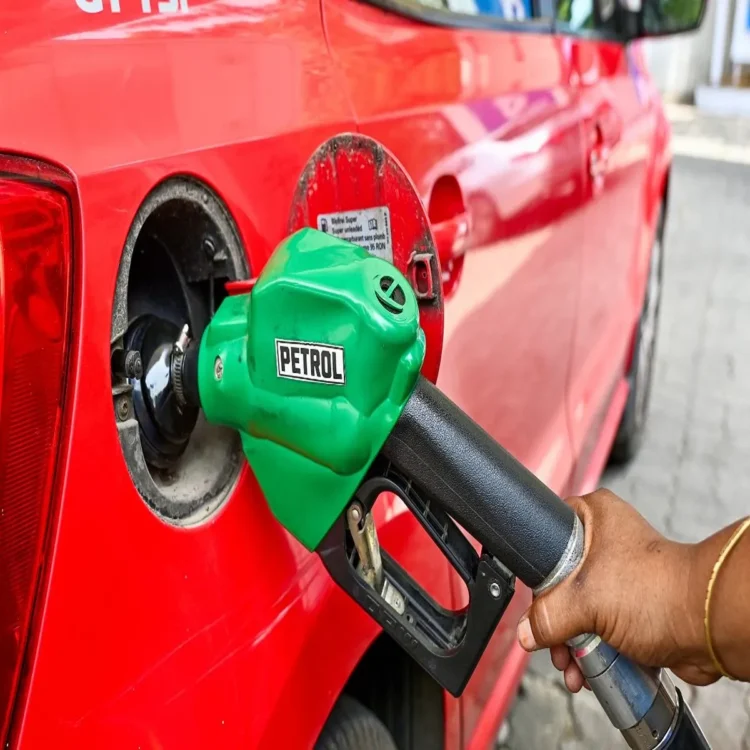
The Central Government on Thursday defended the nationwide Ethanol Blended Petrol (EBP) Programme, saying comprehensive laboratory research, field trials and real-world vehicle usage have consistently demonstrated that E20 fuel is safe for vehicles designed to operate under prescribed standards. The government also maintained that the programme has contributed to strengthening India’s energy security while helping reduce dependence on imported crude oil and shielding the economy from fluctuations in international oil prices.
Scientific Process Behind the Programme
Responding to a question in the Lok Sabha through a written reply, Minister of State for Petroleum and Natural Gas Suresh Gopi said the rollout of the ethanol blending programme followed a phased and evidence-based approach. He noted that the policy was implemented after extensive consultations with NITI Aayog, the Automotive Research Association of India (ARAI), the Society of Indian Automobile Manufacturers (SIAM), oil marketing companies and several other technical organisations involved in automotive research and fuel standards.
According to the minister, every stage of the programme was supported by scientific evaluation before wider implementation, ensuring that vehicle compatibility and fuel quality remained key priorities.
Studies Found No Major Vehicle Issues
Gopi informed Parliament that multiple studies carried out by ARAI, SIAM, Indian Oil Corporation, the Indian Institute of Petroleum and leading automobile manufacturers concluded that E20 petrol performs safely when used as per approved specifications.
He said the findings showed that older or legacy vehicles did not experience any significant decline in performance, nor did they exhibit unusual engine wear or mechanical deterioration because of the higher ethanol blend. The minister added that laboratory assessments, controlled field testing and operational experience across different regions had not identified any widespread adverse effects linked to the use of E20 fuel.
Manufacturer Data Supports Findings
The government further stated that service records maintained by automobile manufacturers reinforce the conclusions drawn from scientific studies. According to Gopi, there has been no evidence of abnormal corrosion, excessive engine wear or shortened vehicle life attributable to E20 petrol.
He also pointed out that vehicle manufacturers have continued to honour warranty commitments for eligible vehicles using the blended fuel, indicating confidence in its compatibility under approved operating conditions.
Large-Scale Service Data Cited
Highlighting the scale of available evidence, the minister said nearly 2.84 crore vehicles underwent servicing during the 2025-26 financial year. The government considers this large volume of service data an important indicator supporting the reliability of E20 fuel under normal usage conditions.
Officials maintain that the ethanol blending programme remains an important component of India’s broader energy strategy. Along with reducing dependence on imported fossil fuels, the initiative is intended to diversify fuel sources, improve energy resilience and support long-term efforts to enhance domestic fuel security without compromising vehicle safety.