
Delhi EV Policy – Rekha Gupta Launches Subsidy Portal for Electric Vehicles
Delhi EV Policy – Chief Minister Rekha Gupta on Friday introduced the Delhi EV Subsidy Portal and released the official booklet for the Delhi Electric Vehicle Policy 2026, marking a major step in the capital’s effort to expand the use of cleaner transport options.
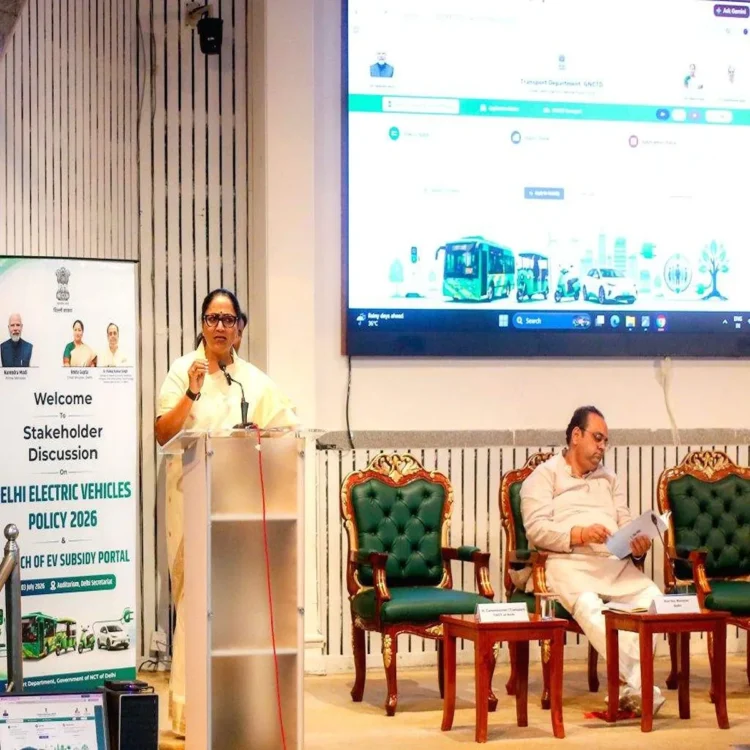
The new policy has been positioned as part of Delhi’s broader strategy to improve air quality, reduce dependence on conventional fuels and support the growth of the green economy. The government expects the initiative to encourage more residents and businesses to shift towards electric vehicles over the coming years.
Delhi’s Push for Cleaner Transport
Speaking at the launch, the Chief Minister said the policy is intended to bring long-term changes to the city’s transport system. She said electric mobility can play an important role in tackling pollution while also strengthening energy security.
Delhi has continued to face concerns over vehicle emissions and air pollution, particularly during peak traffic periods and seasonal weather conditions. The new EV policy seeks to address these challenges by making electric vehicles more accessible and by building a stronger support system for users across the city.
Policy Prepared After Stakeholder Consultations
According to the government, the Delhi Electric Vehicle Policy 2026 was developed after nearly a year of discussions with industry representatives, transport experts, vehicle owners and other stakeholders.
The policy covers several parts of the electric vehicle ecosystem, including financial incentives for buyers, benefits for scrapping older vehicles, charging infrastructure expansion, battery recycling and e-waste management. It also includes phased requirements intended to increase the adoption of electric vehicles in different categories over time.
The government said the policy framework has been designed to support both individual buyers and commercial operators. Incentives will be available for electric two-wheelers, three-wheelers, private cars and commercial vehicles, subject to eligibility conditions.
Support for Commercial Vehicle Categories
Special provisions have also been included for N-1 and N-2 category commercial vehicles. These categories generally cover light and medium commercial vehicles used for goods transport and related business operations.
The government believes targeted support for commercial electric vehicles could help reduce emissions from delivery services, logistics operations and other transport activities that involve frequent movement across Delhi.
Officials said the policy aims to create a more organised transition towards electric mobility by combining purchase support with infrastructure development and responsible battery disposal measures.
Online Applications Through EV Subsidy Portal
Eligible buyers will be able to submit subsidy applications through the Delhi EV Subsidy Portal after purchasing an electric vehicle and receiving its Registration Certificate. Applicants must complete the process within 30 days of the purchase and RC issuance.
The portal has been designed to make the application process digital and easier for vehicle owners. It is expected to reduce paperwork and allow applicants to track the progress of their subsidy claims online.
The government plans to transfer approved subsidy amounts directly into beneficiaries’ bank accounts through the Direct Benefit Transfer system. Officials said the target is to complete the payment process within 60 days for eligible applicants.
Focus on Transparent Delivery of Benefits
The Delhi government has described the subsidy mechanism as paperless, transparent and citizen-focused. By using an online platform and direct bank transfers, the administration aims to limit delays and improve accountability in the distribution of incentives.
The launch of the portal is expected to provide a practical route for buyers seeking support under the new EV policy. Further details on eligibility, vehicle categories and incentive amounts are likely to be made available through the official policy booklet and online platform.