
BusinessReforms – Government Tables Bill to Ease Minor Offences Burden
BusinessReforms – The Union government on Friday presented a fresh bill in the Lok Sabha aimed at simplifying legal provisions by removing criminal penalties for several minor offences, a move intended to make both business operations and daily life smoother.
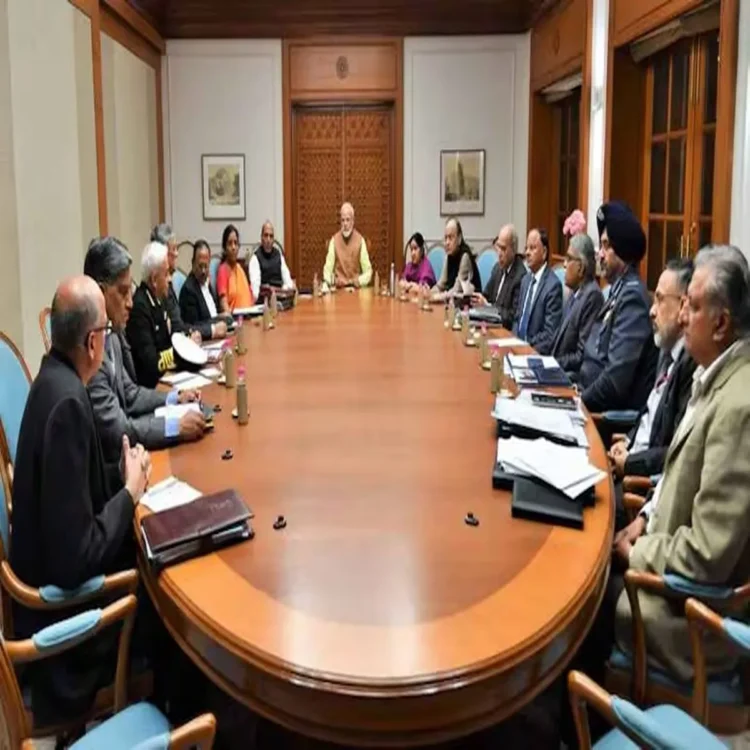
Bill reintroduced after committee review
The proposed legislation, titled the Jan Vishwas (Amendment of Provisions) Bill, 2026, was introduced by Minister of State for Commerce and Industry Jitin Prasada. The revised version incorporates recommendations made by a select committee that had earlier reviewed the draft.
The bill is designed to amend multiple existing laws by replacing criminal penalties with civil ones in cases involving minor violations. According to the government, the effort is part of a broader push to build a governance framework based on trust rather than strict enforcement.
Objective focuses on simplifying compliance
Officials explained that the changes aim to reduce the burden on individuals and businesses dealing with regulatory frameworks. By rationalising penalties and removing criminal liability for less serious offences, the government hopes to create a more practical and less intimidating compliance environment.
The bill also introduces provisions for proportionate fines and establishes appellate mechanisms, allowing individuals and businesses to challenge penalties through structured channels.
Opposition raises constitutional concerns
However, the proposal faced resistance from some members of the opposition. Congress MPs K Kavya and G K Padavi opposed its introduction, arguing that certain aspects of the bill could undermine constitutional principles.
Padavi described the bill as arbitrary and expressed concerns that it could open the door to misuse and corruption. He called for the legislation to be sent back for further examination, either to the select committee or a parliamentary panel. He also pointed out that dissenting views had already been recorded during the committee review process.
Government defends intent and scope
Responding to the criticism, Prasada stated that the bill had undergone detailed consultations before being brought back to Parliament. He emphasised that the proposed changes apply only to minor offences and do not affect serious violations.
He further highlighted the scale of the reform, noting that the bill proposes amendments to 79 central laws overseen by 23 ministries. In total, 784 provisions are set to be revised. Of these, 717 provisions relate to decriminalisation aimed at improving business conditions, while 67 provisions focus on enhancing ease of living.
Background and earlier developments
The current version of the bill follows its earlier withdrawal from the Lok Sabha on March 17 for further refinement based on committee feedback. The previous version had originally been introduced in 2025 by Commerce and Industry Minister Piyush Goyal and was subsequently referred to a select committee for detailed scrutiny.
Continuation of earlier reforms
This legislative effort builds on a similar initiative undertaken in 2023. The Jan Vishwas (Amendment of Provisions) Act, 2023, marked the first major attempt to systematically remove criminal penalties for minor offences across multiple laws.
That earlier reform decriminalised 183 provisions spread across 42 central acts administered by 19 ministries and departments. The current bill significantly expands the scope of those changes, indicating the government’s continued focus on regulatory simplification.
Broader implications for governance
The proposed amendments reflect a shift in approach toward governance, moving away from punitive measures in minor cases toward a system that encourages compliance through fairness and clarity. If passed, the bill is expected to reduce litigation, improve administrative efficiency, and create a more business-friendly environment.
At the same time, concerns raised by opposition members suggest that the debate around balancing ease of compliance with safeguards against misuse is likely to continue as the bill moves forward in Parliament.