
WomenSafety – Delhi Pushes Stronger Protection Measures Beyond Public Transport
WomenSafety – Ensuring women’s safety throughout their daily commute has become a major focus in Delhi, with authorities now looking beyond buses and stations to strengthen protection during the final leg of every journey.
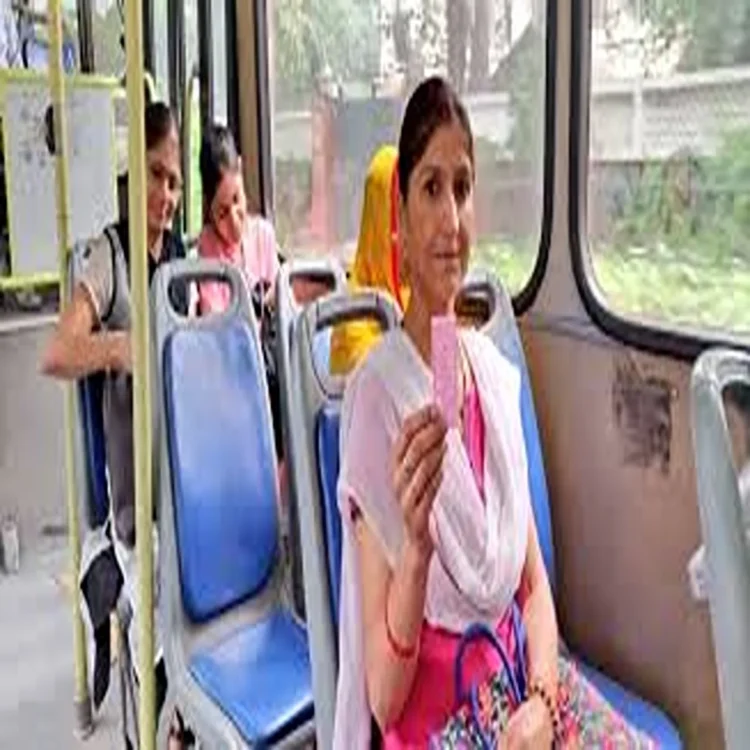
Delhi Lieutenant Governor Taranjit Singh Sandhu on Friday reviewed measures related to women’s safety in public transport and highlighted the need for comprehensive security arrangements that extend beyond travel inside buses. He stressed that women should feel safe not only while using public transport services but also while reaching their homes after leaving bus stops, depots, or transit stations.
Focus on End-to-End Passenger Safety
During the review meeting, Sandhu emphasized that security planning should cover the entire travel experience. He noted that concerns often arise after passengers leave public transport facilities and begin their journey toward their final destinations. To address this issue, officials were instructed to work closely with operators providing last-mile transport services.
The administration plans to involve taxi services, auto-rickshaw operators, e-rickshaw providers, and other transport stakeholders to create a safer commuting environment for women across the city.
Proposal for Female Armed Personnel in Buses
A key point discussed during the meeting was the possible deployment of female armed police personnel on Delhi Transport Corporation (DTC) buses. According to Sandhu, the presence of trained women officers could strengthen passenger confidence and improve overall security within public transport vehicles.
He directed the transport department to coordinate with Delhi Police and explore the feasibility of implementing the proposal. Authorities believe such a move could serve as an additional safety layer for women using public transport on a daily basis.
Review of Existing Safety Initiatives
Officials also presented updates on several ongoing safety measures. The meeting included a review of the Pink Smart Card programme, which has been introduced to support women commuters. Progress related to CCTV camera installations, emergency panic button systems, operational control centres, and the deployment of bus marshals was also assessed.
The discussions focused on evaluating the effectiveness of these initiatives and identifying areas where further improvements could be made. Ensuring that safety infrastructure remains functional and accessible was highlighted as an important priority.
Expansion of Women-Centric Transport Policies
The Lieutenant Governor issued directions aimed at strengthening multiple aspects of the public transport network. These included expanding the reach of the Saheli Pink Smart Card scheme, improving electric mobility options for last-mile connectivity, and encouraging carpooling services through private taxis and other transport platforms.
Officials were asked to explore practical ways of making transportation more secure, convenient, and accessible for women commuters across different parts of the capital.
Greater Participation of Women in Public Transport
Another important area of discussion was increasing women’s representation within the transport workforce. Sandhu highlighted the contribution of the existing female staff and encouraged efforts to recruit more women across public transport services.
At present, Delhi’s transport system includes 1,002 women conductors and 77 women drivers. Authorities believe that expanding female participation in operational roles can contribute positively to passenger confidence while promoting greater gender inclusion within the sector.
The latest review reflects the administration’s broader effort to build a transport ecosystem where women can travel safely from the moment they begin their journey until they reach their destination, reinforcing security measures across every stage of urban commuting.