
HealthSafety – Doctors Clarify Watermelon Safety Concerns After Viral Death Reports
HealthSafety – Reports linking watermelon consumption to recent deaths in Mumbai and Chhattisgarh have sparked widespread concern across India, with social media posts and viral videos causing confusion among consumers during the peak summer season. However, medical professionals say there is no evidence proving that watermelon itself is dangerous when consumed properly.
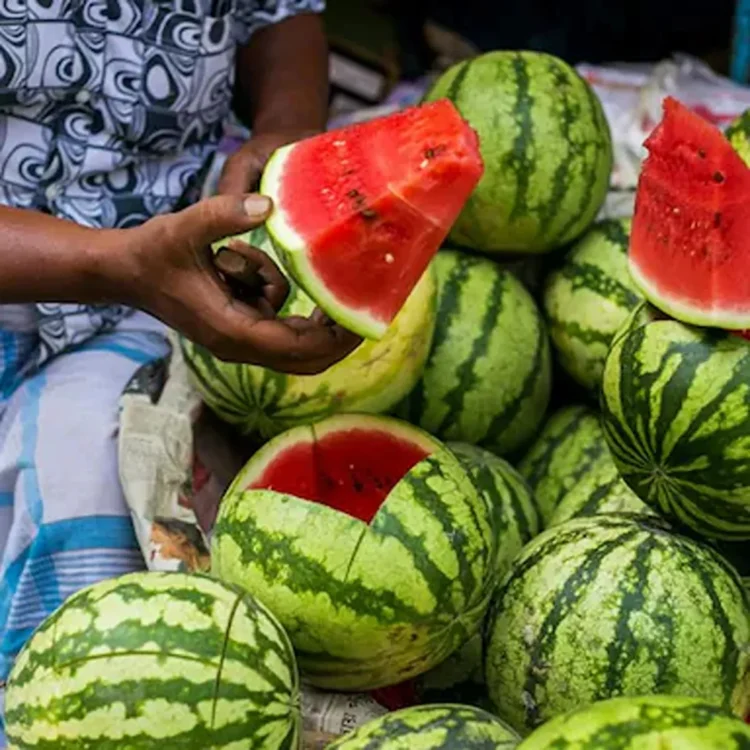
According to health experts, the recent panic began after separate incidents from Mumbai and Chhattisgarh were widely shared online. In Mumbai, four members of a family reportedly died after consuming watermelon, while another case from Chhattisgarh involved the reported death of a teenage boy following alleged consumption of the fruit. As these incidents spread rapidly across social media platforms, many people started questioning whether watermelon had become unsafe during hot weather conditions.
Doctors Emphasise Need for Proper Investigation
Medical experts say it is important not to jump to conclusions before official investigations determine the exact causes behind these deaths. Physicians believe factors such as food contamination, bacterial growth, poor storage conditions, or unhygienic handling practices are more likely explanations than the fruit itself becoming harmful.
Dr. Chhya Vaja, an internal medicine specialist at Apollo Spectra Mumbai, stated that watermelon is generally considered safe and nutritious. She explained that no scientific evidence currently supports claims that watermelon naturally causes fatal reactions.
Experts note that foodborne illnesses can occur when fruits are not handled or stored correctly, especially during extreme summer temperatures when bacteria can multiply rapidly.
Heat and Hygiene Raise Food Safety Risks
Doctors say the main issue lies in how watermelon is stored and sold in many places during summer months. Cut watermelon pieces are often displayed openly at roadside stalls for long periods, sometimes under direct sunlight and high temperatures.
Health specialists warn that bacteria such as Salmonella and E. coli can develop on the fruit’s surface if hygiene standards are poor. Once the fruit is sliced using unclean knives or surfaces, contamination may spread to the edible portion.
If watermelon remains exposed for extended periods in hot weather, bacterial growth may accelerate, increasing the risk of food poisoning. Symptoms linked to contaminated fruit can include vomiting, stomach cramps, diarrhoea, acidity, and abdominal discomfort.
Viral Videos Added to Public Fear
Public concern intensified further after a widely circulated video showed watermelons releasing foam when cut open. The footage, shared online by content creator Gaurav Taneja, led many viewers to suspect chemical contamination or artificial injections inside the fruit.
However, doctors have rejected those assumptions. Dr. Basavaraj S Kumbar, consultant in internal medicine at Aster Whitefield Hospital, explained that foaming inside watermelon is usually associated with fermentation caused by spoilage.
According to experts, overripe fruits or watermelons with tiny cracks can allow bacteria or yeast to grow internally. This process may produce gas and frothy liquid, creating the appearance seen in viral videos.
Doctors caution that any fruit showing signs of spoilage should be discarded immediately instead of consumed.
Experts Recommend Practical Safety Measures
Health professionals continue to describe watermelon as one of the most hydrating fruits for Indian summers when consumed safely. They advise people to focus on cleanliness and proper food handling rather than relying on unverified online claims.
Doctors recommend washing the outer surface thoroughly before cutting the fruit. Consumers are also advised to avoid buying pre-cut watermelon sold in uncovered outdoor conditions.
Freshly sliced watermelon should ideally be consumed soon after cutting, while leftover portions must be refrigerated properly. Experts also stress the importance of using clean knives, chopping boards, and utensils during preparation.
Purchasing fruits from trusted sellers and checking carefully for visible damage or unusual texture can further reduce risks.
Warning Signs Consumers Should Not Ignore
Doctors say certain visible changes may indicate spoilage and should be treated seriously. Watermelon should not be eaten if it releases foam, emits a sour smell, feels slimy, or appears excessively soft and mushy.
Medical experts emphasise that such warning signs usually point to internal spoilage or bacterial activity rather than poisoning. They urge consumers to remain cautious but avoid unnecessary panic driven by misinformation circulating online.