
Nutrition – Warning Signs Your Body May Not Be Getting Enough Protein
Nutrition – Protein plays a far greater role in daily health than many people realise. While it is often associated with bodybuilding and fitness routines, nutrition experts say protein is essential for maintaining immunity, supporting metabolism, improving recovery, and keeping hair and skin healthy. A lack of adequate protein intake can gradually affect several body functions, even in people who appear otherwise healthy.
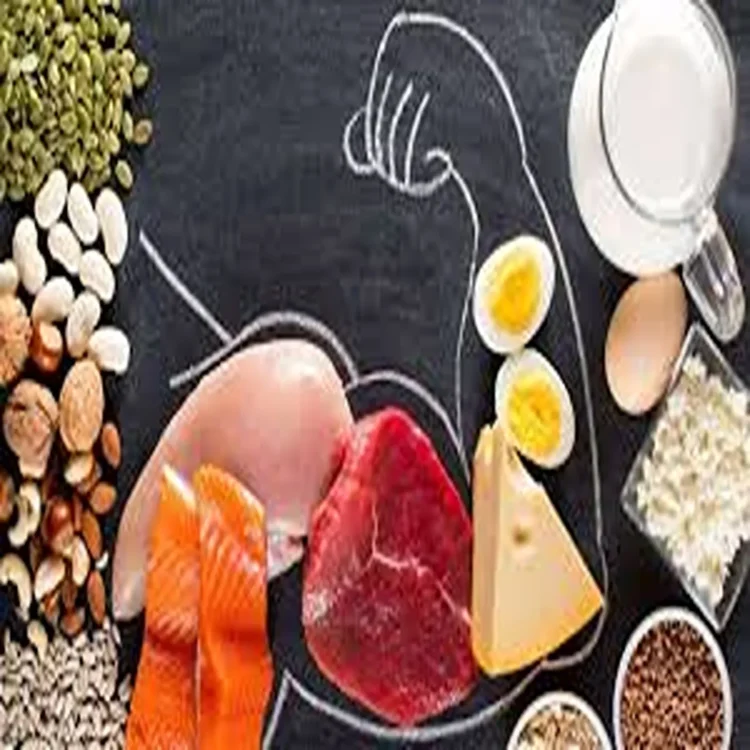
Protein Intake Often Falls Short
According to dietitian and certified diabetes educator Dr Archana Batra, many individuals believe their regular meals provide enough protein because they consume foods like curd, dal, or pulses. However, actual intake is frequently lower than recommended levels, especially among vegetarians, women, office workers, and people trying to lose weight through calorie restriction.
Experts explain that protein requirements differ depending on age, activity level, and overall health goals. People leading sedentary lifestyles generally require moderate amounts, while older adults, active individuals, and those managing hormonal issues may need more protein in their daily meals.
Frequent Hunger May Signal Low Protein Levels
One of the most common indicators of inadequate protein consumption is constant hunger shortly after eating. Meals dominated by refined carbohydrates but low in protein can lead to rapid fluctuations in blood sugar levels, often increasing cravings throughout the day.
Nutrition specialists note that protein helps improve satiety by supporting hormones that control appetite. Including sufficient protein in meals may help people feel full for longer periods and reduce unnecessary snacking.
Hair, Skin and Nails Can Also Be Affected
Protein is a major structural component of hair and nails. Keratin, which supports hair strength and nail growth, depends heavily on adequate protein intake.
Health experts warn that long-term protein deficiency may cause the body to prioritise vital organs over external functions related to appearance. As a result, some individuals may experience excessive hair fall, brittle nails, slower hair growth, and tired-looking skin.
Collagen production can also decline when the body consistently lacks enough protein, potentially affecting skin elasticity and recovery.
Persistent Fatigue Despite Proper Rest
Feeling exhausted even after getting enough sleep may sometimes be linked to nutritional imbalance rather than rest alone. Protein contributes to several important functions, including muscle repair, enzyme production, and maintaining stable energy levels.
Experts say individuals who regularly experience low stamina, muscle soreness after exercise, or ongoing tiredness should evaluate the quality and quantity of protein in their diet. Inadequate intake may slow recovery and reduce overall energy efficiency.
Weight Loss Difficulties Can Be Linked to Protein Deficiency
Many people attempting to lose weight focus mainly on cutting calories. However, specialists caution that severely reducing food intake without maintaining protein balance may negatively affect body composition.
Low protein intake can contribute to muscle loss, which may reduce metabolic efficiency over time. Protein also requires more energy for digestion compared to carbohydrates and fats, making it important for maintaining lean muscle mass and supporting healthy fat management.
Weak Immunity May Reflect Nutritional Gaps
Medical experts also highlight the connection between protein and immune health. Antibodies and several immune cells rely on protein for proper formation and function.
Frequent infections, delayed wound healing, repeated colds, and low resistance to illness may sometimes point toward underlying nutritional deficiencies. Since the effects can develop gradually, many people may not immediately recognise protein deficiency as a contributing factor.
Building Better Daily Protein Habits
Health professionals recommend distributing protein intake evenly throughout the day rather than consuming most of it during dinner. Adding balanced protein sources to regular meals may support better energy, recovery, and overall wellbeing.
Common protein-rich foods include eggs, paneer, Greek yoghurt, tofu, soy products, pulses, fish, chicken, nuts, seeds, and lentils. Experts advise choosing a balanced and sustainable eating pattern instead of relying on extreme dieting methods.