
HairLossTreatment – Experts Examine Mental Health Concerns Linked to Hair Loss Medicines
HairLossTreatment – Hair loss treatments have become increasingly popular among people seeking to slow thinning hair and encourage new growth. Among the most frequently recommended therapies are finasteride tablets and topical formulations that combine minoxidil with finasteride. While these medications have helped many individuals manage hair loss effectively, medical experts continue to evaluate reports suggesting that some users may experience emotional or psychological changes during treatment.
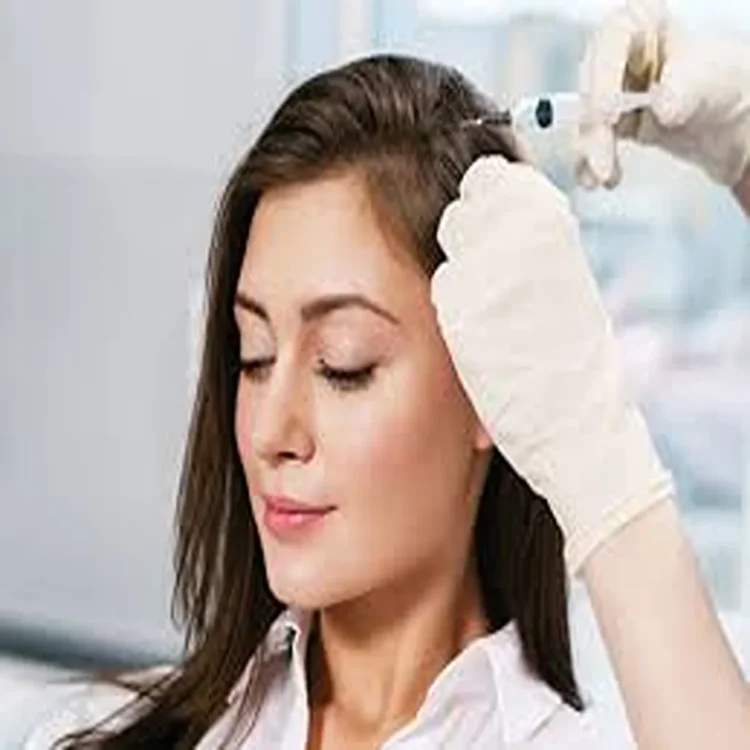
Doctors Monitor Reports of Mood-Related Side Effects
According to Dr. Shweta Manchanda, Visiting Consultant in Dermatology at Aakash Healthcare, concerns regarding mental well-being during hair loss treatment deserve careful attention, even though such reactions remain uncommon. She notes that most patients tolerate these medications without significant difficulty, but healthcare professionals remain alert when individuals report noticeable shifts in mood after beginning therapy.
Medical observations and several studies have prompted discussions about whether hormonal changes triggered by finasteride could influence emotional health in a small number of patients. However, experts emphasize that these cases are not considered routine outcomes of treatment.
Possible Link Between Treatment and Emotional Changes
Dr. Manchanda explains that some patients taking finasteride, either alone or alongside topical minoxidil-finasteride solutions, have reported symptoms such as anxiety, low mood, or feelings associated with depression.
Researchers believe that changes involving dihydrotestosterone (DHT), a hormone targeted by finasteride, may affect brain chemistry in certain individuals. At the same time, specialists point out that hair loss itself can be emotionally challenging and may contribute to stress, reduced confidence, or psychological distress, making it difficult to identify a single cause.
Steps Taken When Symptoms Develop
When mood-related symptoms emerge after treatment begins, doctors typically conduct a detailed review of the patient’s condition. This process involves assessing the timing of symptoms, evaluating their severity, and reviewing the medications being used.
Depending on the findings, healthcare providers may recommend adjusting the dosage of finasteride. Some individuals may benefit from taking the medication less frequently, while others may be advised to discontinue it if symptoms become significant.
Dr. Manchanda highlights the importance of ongoing medical supervision and mental health support during this period. Many patients experience improvement after treatment modifications, although outcomes can differ from person to person.
Determining Whether Medication Is Responsible
Identifying the exact reason behind mood changes can be complex. Doctors generally consider a range of factors before linking symptoms directly to medication.
A patient’s mental health history, sleep quality, workplace stress, lifestyle factors, and use of other medicines are all taken into account. Specialists often look for patterns, such as symptoms appearing shortly after treatment begins and improving after the medication is stopped.
In situations where the cause remains uncertain, mental health evaluations or continued monitoring may help clarify whether the symptoms are connected to treatment or arise from unrelated emotional pressures.
Minoxidil Remains an Alternative Option
Patients who are unable to continue finasteride may still have effective treatment choices available. Dr. Manchanda says that minoxidil on its own can provide meaningful benefits for many people experiencing hair thinning.
The treatment works by supporting blood circulation around hair follicles and prolonging the natural growth phase of hair. Although combination therapy may sometimes deliver stronger results, consistent long-term use of minoxidil alone can still help many individuals maintain and improve hair density.
Other Treatments Available for Hair Loss
For patients who do not tolerate finasteride well, dermatologists may recommend several alternative approaches. These can include topical minoxidil applications, low-level laser therapy (LLLT), platelet-rich plasma (PRP) procedures, microneedling techniques, nutritional interventions, and hair transplant surgery in selected cases.
Experts stress that the most effective treatment plan depends on factors such as age, the extent of hair loss, hormonal profile, medical background, and overall response to therapy. As a result, dermatologists typically develop individualized treatment strategies rather than relying on a standard solution for every patient.