
OilMarkets – Tensions Rise as Strait of Hormuz Remains Shut Amid Naval Standoff
OilMarkets – Iran has maintained its refusal to reopen the Strait of Hormuz, even as a temporary ceasefire continues, citing the ongoing US naval blockade as a key obstacle.
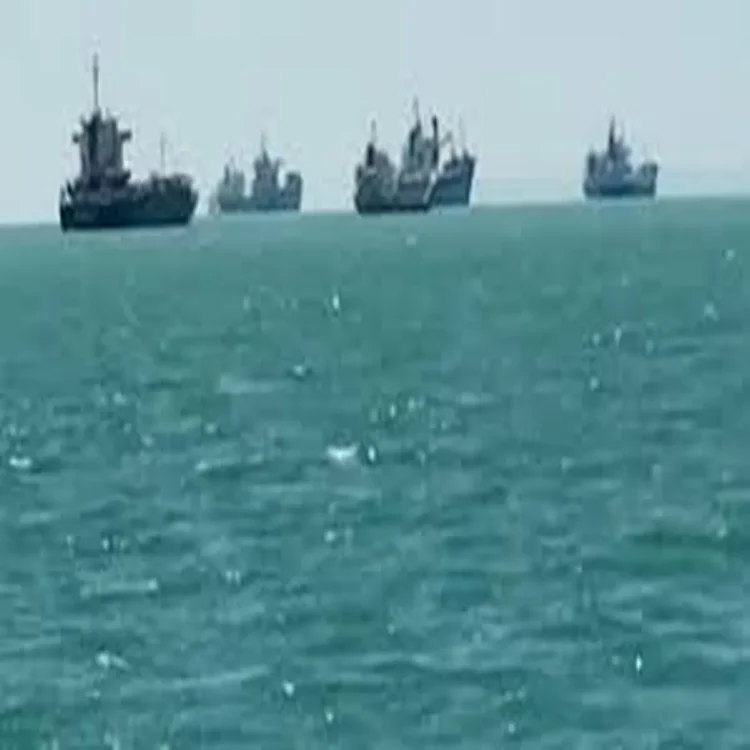
Iran links ceasefire to maritime access
Tehran has made it clear that any meaningful ceasefire must include unrestricted maritime movement. Iranian Parliament Speaker Mohammad Bagher Ghalibaf stated that keeping the strategic waterway closed is a direct response to what he described as a violation of the truce through continued US naval presence. According to Iranian authorities, reopening the strait is not under consideration while restrictions remain in place.
The Strait of Hormuz, a narrow but vital passage, handles a significant share of the world’s oil shipments. Its closure has immediate implications for global energy markets and shipping routes.
US enforces naval restrictions
The United States Central Command reported that dozens of vessels were instructed to change course or return to port as part of enforcement actions linked to the blockade. The move is seen as part of broader efforts to increase economic pressure on Iran without escalating into full-scale conflict.
Former US President Donald Trump indicated earlier that the ceasefire would remain temporarily in place to allow diplomatic efforts, reportedly facilitated by Pakistan, to progress. However, Iran has not formally confirmed participation in upcoming discussions.
Oil prices react to uncertainty
Global oil markets responded quickly to the developments. Prices initially surged, reflecting concerns over supply disruptions. Benchmark crude contracts saw noticeable gains before stabilizing shortly afterward. Analysts suggest that continued uncertainty around the strait could keep markets volatile in the near term.
Ship seizures heighten tensions
Iran’s Revolutionary Guards announced the interception of two vessels attempting to pass through the strait. The ships, identified as MSC Francesca and Epaminondas, were redirected to Iranian shores. Officials described the action as enforcement against violations in restricted waters.
Panama condemned the seizure of one of the vessels, calling it a serious threat to maritime safety. Independent maritime monitoring groups also reported incidents involving commercial ships encountering armed patrol boats in the region. In one case, a vessel sustained damage after being fired upon, though no injuries were reported.
Diplomatic efforts face uncertainty
While Washington has signaled openness to renewed talks, there is little clarity on whether negotiations will resume soon. Reports suggest that planned diplomatic engagements may face delays, and both sides continue to accuse each other of undermining the ceasefire.
Meanwhile, Iran has imposed stricter conditions on vessels entering or leaving the Gulf, requiring prior authorization. This marks a shift from earlier commitments to allow free passage during the truce period.
Regional tensions extend beyond Gulf
The situation is further complicated by ongoing instability in neighboring regions. In Lebanon, violence has continued despite a separate ceasefire agreement involving Israel. Recent strikes reportedly resulted in casualties, including media personnel.
France confirmed the death of a second peacekeeper injured in earlier attacks, adding to international concern over the fragile security environment. Talks between Israel and Lebanon are scheduled to continue, with Lebanon expected to push for an extension of the ceasefire and an end to ongoing military actions.
Broader implications for global stability
The current standoff underscores the fragile balance in the region, where military actions, economic pressure, and diplomatic efforts are closely intertwined. With one of the world’s most critical oil routes effectively disrupted, the situation carries significant consequences not only for regional actors but also for global markets and international security.
As developments continue, the focus remains on whether diplomatic channels can produce a breakthrough before tensions escalate further.