
Election – Denmark Prepares for High-Stakes Vote Amid Greenland Tensions
Election – Denmark is set to head to the polls next week as voters decide who will govern the country for the next four years. The election comes at a politically sensitive time, following recent tensions between Copenhagen and Washington over the future of Greenland, a self-governing territory within the Danish kingdom.
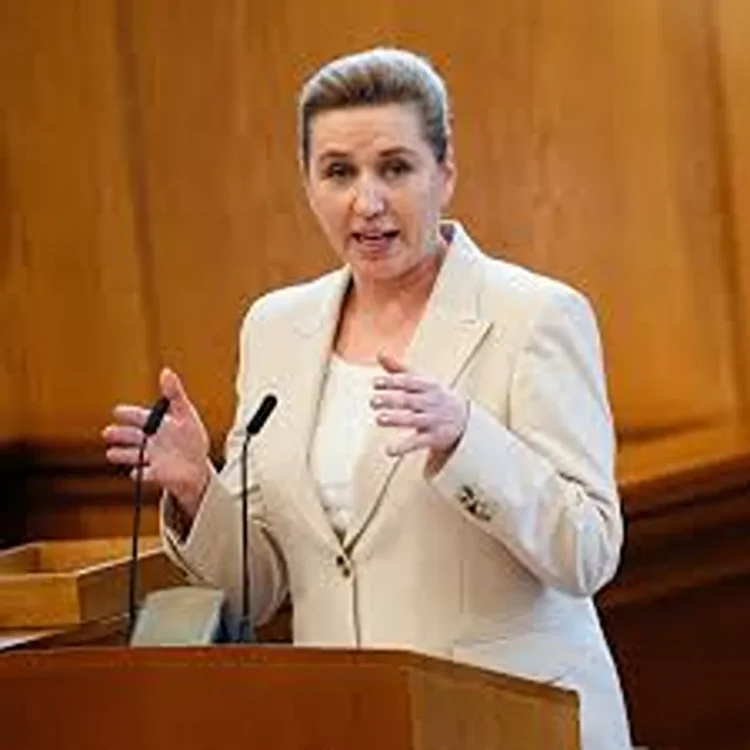
Frederiksen Seeks Another Term in Office
Prime Minister Mette Frederiksen, leader of the Social Democratic Party, called the election earlier this year. Her decision is widely seen as an attempt to capitalize on her firm handling of the Greenland issue, which has drawn attention both domestically and internationally.
Frederiksen, 48, has been in power since 2019 and is aiming for a third consecutive term. During her leadership, Denmark has maintained strong support for Ukraine in its conflict with Russia and pursued strict immigration policies. While her administration faced criticism over rising living costs during her second term, recent developments on the foreign policy front appear to have improved her standing among voters.
Political analysts suggest she is likely to remain in power, though her party may secure a smaller share of the vote compared to previous elections.
Coalition Politics Remain Central
Denmark’s political system is based on proportional representation, which often leads to coalition governments. The current administration is notable for bridging traditional political divides, bringing together parties from both the left and right.
With no single party expected to gain a majority, negotiations after the election will likely determine the final composition of the government. Smaller and centrist parties could play a decisive role in shaping the next administration.
Opposition Leaders Challenge Government
Frederiksen faces competition from multiple directions, particularly from center-right parties. Defense Minister Troels Lund Poulsen, who leads the Liberal Party, remains a key contender despite his party’s declining popularity in recent years.
Another challenger, Alex Vanopslagh of the Liberal Alliance, has campaigned on promises of tax reductions and reduced bureaucracy. However, his campaign has faced setbacks following his admission of past drug use, which may influence voter perception.
Further right, the Danish People’s Party is attempting a political comeback after poor results in the previous election. Meanwhile, the Moderate Party, led by Foreign Minister Lars Løkke Rasmussen, could emerge as a crucial player if neither bloc secures a clear majority.
Immigration Policy Returns to Spotlight
Immigration continues to be a significant issue in Danish politics. The government has long maintained some of Europe’s strictest migration policies, and Frederiksen has been central to shaping that approach.
In recent weeks, new proposals have been introduced, including stricter asylum measures and enhanced controls targeting individuals without legal residency who commit crimes. Officials have also discussed contingency plans in response to potential increases in migration linked to global conflicts.
Denmark recorded fewer than 2,000 asylum applications last year, a sharp decline compared to figures seen during the migration crisis in 2015.
Economic Concerns and Agriculture Debate
Domestic issues such as the cost of living, pension reforms, and taxation remain key topics in the election campaign. Among the more unusual debates is the future of Denmark’s pork industry, one of the country’s major export sectors.
The Alternative party has called for significant changes in agricultural practices, including improved animal welfare standards and a reduction in livestock production. Their proposal suggests scaling back pig farming to levels sufficient only for domestic consumption, a move that would dramatically reshape the industry.
Greenland Issue Still in Background
Although tensions over Greenland recently made headlines, the issue has not dominated the election campaign. There remains broad political agreement in Denmark regarding the territory’s status within the kingdom and its strategic importance.
Earlier disagreements with the United States, including discussions over control of Greenland and potential trade measures, have eased in recent months. Ongoing talks between Denmark, Greenland, and the U.S. on Arctic cooperation indicate a shift toward diplomatic engagement.
What Voters Will Decide
More than 4 million Danish citizens are eligible to vote in the election, which will determine the composition of the Folketing, the country’s 179-seat parliament. This includes representatives from Denmark as well as Greenland and the Faroe Islands.
Voter participation is traditionally high in Denmark, reflecting strong public engagement in the democratic process. As the election approaches, attention remains focused on whether continuity or political change will define the country’s next chapter.