
TestCricket – Ashwin Highlights Global Challenge Facing Red-Ball Cricket
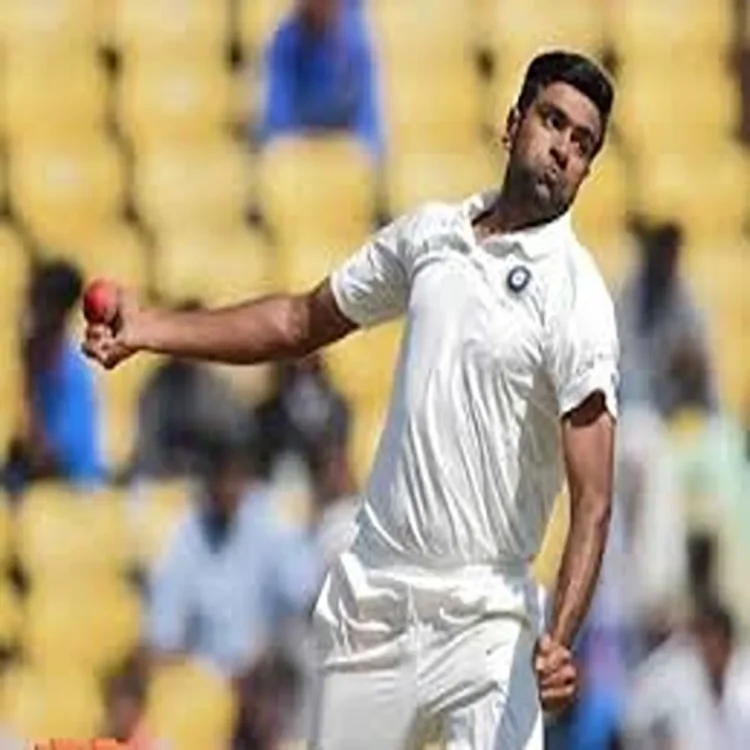
TestCricket – Former India off-spinner Ravichandran Ashwin has stressed that strengthening Test cricket begins with making first-class cricket a more appealing career path for young players. Speaking at the Cricinfo Honours Awards 2026, the veteran cricketer argued that the struggle to attract players to the longest format is not unique to India but is a challenge faced by cricketing nations across the world.
Concerns Grow Over India’s Recent Test Record
Ashwin’s comments come at a time when India’s Test team is navigating a difficult phase. Over the last two years, the side has endured a series of disappointing results, including home whitewash defeats against New Zealand in 2024 and South Africa in 2025. The loss to New Zealand was particularly significant as it brought an end to India’s remarkable 12-year dominance in home Test series.
Although India managed a hard-fought 2-2 drawn series against England on foreign soil, consistent success in the format has remained elusive. The recent downturn has raised questions about the long-term health of India’s red-ball structure and the pathway for emerging cricketers.
Transition Period Following Senior Retirements
The team’s struggles have coincided with the departure of several experienced figures from the Test arena. Over a relatively short period, players such as Ravichandran Ashwin, Rohit Sharma, Virat Kohli and Cheteshwar Pujara have stepped away from the format, bringing an end to an era.
With Shubman Gill now leading the side, India has entered a rebuilding phase. The transition has placed greater responsibility on younger players while also renewing discussions about how the domestic system can better prepare future Test cricketers.
Ashwin Calls for Better Rewards in Red-Ball Cricket
During the awards event, where he was named among the top 25 cricketers of the 21st century, Ashwin acknowledged efforts made by the Board of Control for Cricket in India (BCCI) to improve financial rewards in domestic cricket. However, he believes more needs to be done to encourage players to commit to the traditional format.
According to Ashwin, the central issue is whether modern cricketers receive enough incentives to pursue the demands of red-ball cricket. He suggested that the conversation extends beyond India and reflects a broader international concern about the future appeal of Test cricket.
Physical and Mental Demands Remain Significant
Ashwin also spoke about the unique challenges associated with Test cricket. Long tours, frequent travel, demanding schedules and the physical strain of five-day matches place considerable pressure on players. Maintaining fitness and recovering between games often becomes a major part of a cricketer’s routine.
He noted that in today’s cricket landscape, players can participate in shorter formats for a limited period and still secure substantial financial rewards. This reality, he explained, naturally influences career choices for many young professionals.
Despite these challenges, Ashwin maintained that the emotional satisfaction of succeeding in a fiercely contested Test match remains unmatched. He described the experience as something that cannot be replicated elsewhere in the sport. He also emphasized the importance of experienced, traditional-style coaching in nurturing future generations of Test players.
A Career Marked by Exceptional Achievements
Ashwin retired as one of India’s most accomplished all-rounders in Test cricket. Across 106 Test appearances, he scored 3,503 runs at an average of 25.75, registering six centuries and 14 half-centuries, with a highest score of 124.
With the ball, he claimed 537 wickets at an average of 24.00, including 37 five-wicket hauls and eight matches in which he took ten wickets. His record places him among the finest bowlers India has produced, and he remains the country’s second-highest wicket-taker in Test cricket history.