
Sloth Bear Research – Study Reveals Bears Shape Forest Growth in Aravallis
Sloth Bear Research – Sloth bears living in Rajasthan’s Aravalli region may be playing a much larger ecological role than previously understood, according to a new scientific study that examined their feeding habits and impact on plant regeneration. Researchers found that the animals not only adapt their diet according to seasonal food availability but also help spread seeds of several plant species, contributing to vegetation growth across the landscape.
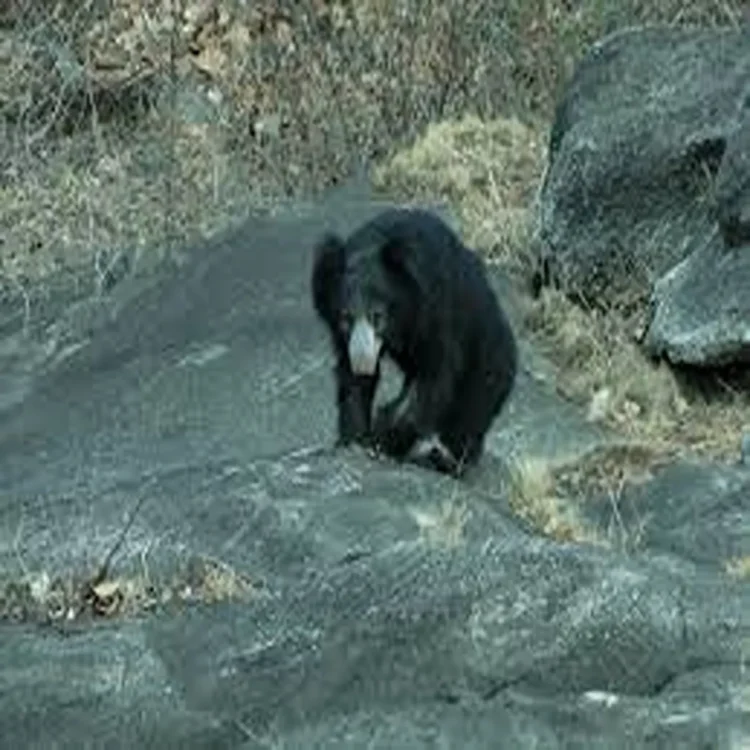
Research Highlights Ecological Importance of Sloth Bears
The study, conducted in a semi-arid deciduous forest within the Aravalli mountain range, explored how sloth bears influence plant life through their feeding behavior. The region, characterized by dry conditions and scattered lakes, provided researchers with a unique setting to observe interactions between wildlife and vegetation.
Scientists discovered that seeds consumed by sloth bears often remained viable after passing through their digestive system. In several cases, these seeds successfully germinated, suggesting that the bears act as important agents of seed dispersal in the ecosystem.
Seasonal Diet Changes Observed
Researchers documented clear seasonal differences in the bears’ diet. During winter, fruits formed a major portion of their food intake. However, as fruit availability declined during the hotter summer months, sloth bears shifted their diet toward insects, particularly termites and other small invertebrates.
This dietary flexibility demonstrates the species’ ability to cope with changing environmental conditions. The findings indicate that sloth bears actively adjust their feeding strategies based on the resources available during different seasons rather than relying on a fixed diet throughout the year.
Impact on Plant Regeneration
One of the notable findings involved seed germination rates. Seeds from six different plant species remained capable of growing after passing through the bears’ digestive tract. For some species, germination rates were equal to or better than seeds collected directly from parent plants.
The researchers also found that seedlings emerging from bear-dispersed seeds showed survival rates comparable to naturally collected seeds in several species. These results suggest that the bears contribute meaningfully to forest regeneration by transporting seeds to new locations and creating opportunities for plant establishment.
Invasive Shrub Shows Enhanced Germination
The study revealed an unexpected outcome involving Lantana camara, a non-native invasive shrub widely found across many Indian landscapes. Researchers observed that germination of this species occurred only from seeds recovered from sloth bear scat samples.
While this finding demonstrates the effectiveness of seed dispersal by sloth bears, it also raises questions about the role wildlife may play in the spread of invasive plant species alongside native vegetation.
Understanding a Poorly Studied Ecological Role
According to the researchers, the influence of large omnivorous mammals on vegetation patterns in dry tropical forests has received limited scientific attention. Although previous studies have documented what sloth bears eat, few have examined whether their feeding behavior affects plant growth and forest composition.
The current research combined dietary analysis with seed germination and seedling survival experiments, allowing scientists to evaluate the broader ecological consequences of fruit consumption by sloth bears.
Vulnerable Species Offers Valuable Insights
The sloth bear, scientifically known as Melursus ursinus, is listed as Vulnerable by the International Union for Conservation of Nature (IUCN). Native to the Indian subcontinent, the species is best known for feeding on ants and termites. However, the new findings reinforce evidence that sloth bears also consume a variety of fruits whenever they are seasonally available.
Researchers believe this combination of dietary adaptability and seed dispersal makes the species an important component of tropical dry forest ecosystems. By influencing how plants regenerate and spread, sloth bears may contribute to shaping vegetation patterns across large landscapes such as the Aravalli range.
The study has been accepted for publication in the international journal Biotropica and was carried out by researchers Utkarsh Prajapati, K.S. Gopi Sundar, and Vijay Kumar Koli.