
Afghanistan – UN Reports Rising Civilian Death Toll in Cross-Border Violence Along Pakistan Border
Afghanistan – The United Nations has reported a sharp rise in civilian casualties linked to cross-border violence between Afghanistan and Pakistan during the second quarter of the year, highlighting the growing humanitarian impact of the escalating security situation.
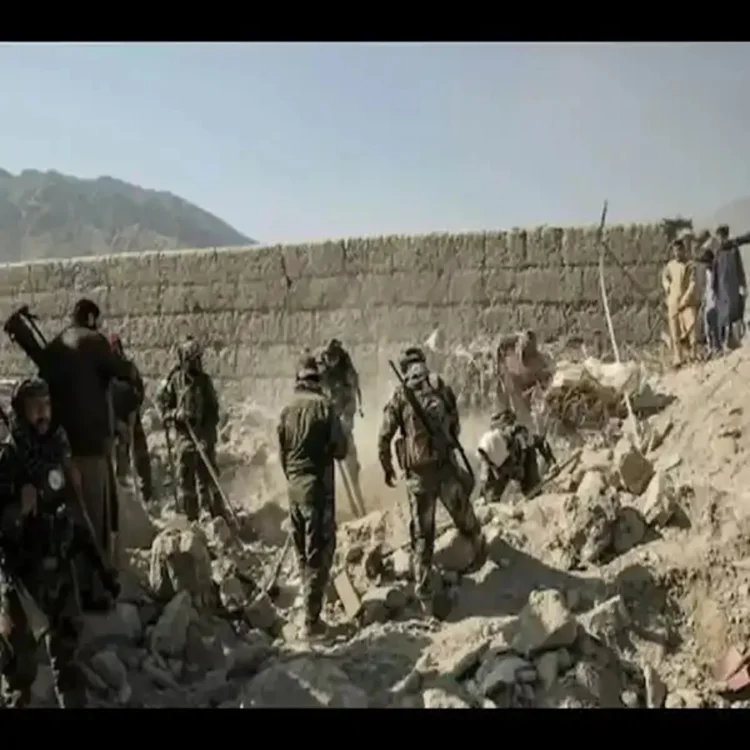
The United Nations Assistance Mission in Afghanistan (UNAMA) said that 57 civilians lost their lives and another 342 were injured in incidents of cross-border armed violence between April 1 and June 30. According to the latest assessment released on Tuesday, airstrikes and ground combat accounted for the majority of civilian casualties recorded during the reporting period.
UNAMA Attributes Casualties to Pakistani Security Operations
In its quarterly civilian casualty update, UNAMA stated that every cross-border civilian casualty documented during these three months was linked to operations conducted by Pakistani security forces. The report pointed to military action across several eastern Afghan provinces as the main source of civilian harm.
The mission said the dead and injured included some of the country’s most vulnerable residents. Among the victims were 112 children, with 26 killed and 86 wounded. The report also recorded 40 women among the casualties, including six fatalities and 34 injuries, underscoring the significant humanitarian consequences of the violence.
Airstrikes and Shelling Caused the Greatest Harm
According to the UN findings, the highest number of civilian casualties occurred during airstrikes carried out on June 28 in the provinces of Paktia, Paktika and Kunar. These attacks were followed by shelling incidents in Kunar province that took place between April 27 and April 29.
UNAMA noted that these operations resulted in widespread civilian suffering and contributed significantly to the overall casualty figures for the quarter. The mission continues to monitor developments as security conditions remain fragile in several border districts.
Border Tensions Continue to Intensify
Relations between Afghanistan and Pakistan have remained strained in recent months, with repeated exchanges of fire reported along the shared border. The deteriorating security environment has raised concerns among international observers, particularly over the increasing number of civilians caught in the violence.
The latest UN figures add to growing international attention on the consequences of military operations in populated areas and the need for stronger safeguards to protect non-combatants.
Human Rights Watch Calls for Independent Investigation
Earlier this month, on July 15, Human Rights Watch urged an impartial inquiry into Pakistan’s recent military strikes inside Afghanistan. The international rights organization expressed serious concern over reports of civilian deaths and injuries and said the incidents warranted independent examination.
The organization clarified that civilian casualties alone do not automatically establish violations of international humanitarian law. However, it argued that such incidents strengthen the case for impartial investigations into whether either attacking or defending forces may have committed possible war crimes during the conflict.
International Humanitarian Law Emphasised
Human Rights Watch also reiterated that international humanitarian law places clear obligations on all parties involved in armed conflict. It said military forces conducting attacks must take every feasible precaution to reduce harm to civilians and distinguish between civilian populations and legitimate military targets before launching operations.
The group further stated that defending forces also carry responsibilities to protect civilians under their control whenever possible, including by avoiding the placement of military assets close to densely populated areas. It added that violations by one side do not remove the legal obligations of the opposing side to comply with international humanitarian law.