
Ebola – Congo Faces Fresh Health Emergency After New Virus Outbreak
Ebola – Health authorities in the Democratic Republic of Congo are responding to a newly confirmed Ebola outbreak in the eastern Ituri province, where dozens of deaths and hundreds of suspected infections have raised concerns about regional health security.
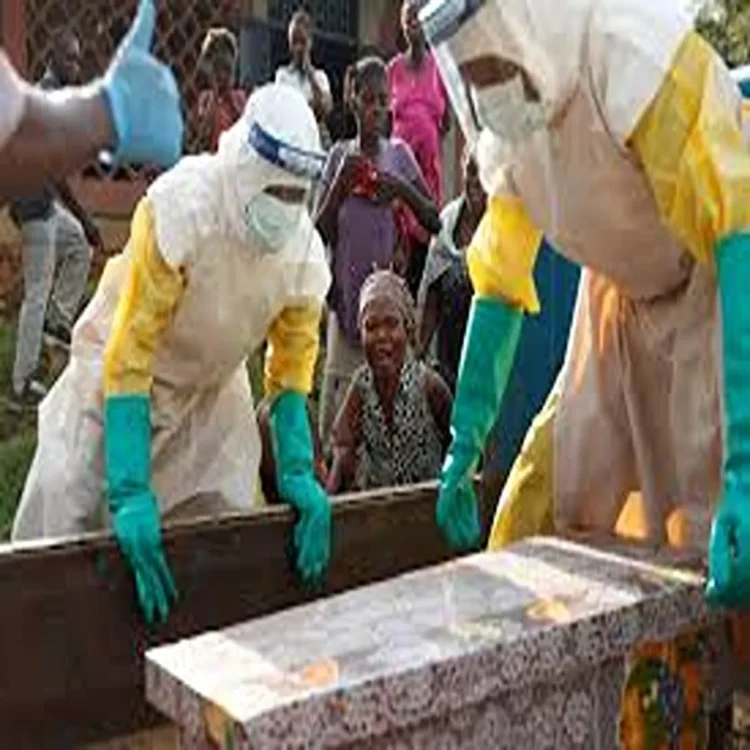
The Africa Centres for Disease Control and Prevention confirmed on Friday that 246 suspected Ebola cases and 65 deaths have been reported in the affected region so far. Most of the infections have emerged from the Mongwalu and Rwampara health zones, both located in the remote eastern part of the country.
Confirmed Cases Raise Regional Concerns
According to Africa CDC, several laboratory tests have already confirmed the presence of the Ebola virus. Out of 20 samples examined, 13 tested positive during preliminary screening. Officials also stated that four people who were confirmed to have Ebola have died.
Health authorities are now investigating additional suspected cases reported in Bunia, the provincial capital situated close to the Ugandan border. Medical teams are continuing surveillance and testing operations to determine the scale of the outbreak.
Ebola is a dangerous viral disease that spreads through direct contact with infected bodily fluids, including blood, vomit, and semen. Though relatively rare, the illness can lead to severe complications and has a high fatality rate if not contained quickly.
Movement Across Borders Increases Risk
Public health experts have expressed concern over the possibility of the virus spreading beyond the immediate outbreak zone. Africa CDC warned that frequent population movement, especially linked to mining activities in Mongwalu, could make containment efforts more difficult.
The agency also highlighted several challenges affecting the response operation, including insecurity in some communities, weak transport infrastructure, and gaps in identifying and monitoring contacts of infected individuals.
The outbreak’s location near Uganda and South Sudan has added urgency to regional coordination efforts. Authorities fear that cross-border travel could contribute to wider transmission if rapid control measures are not implemented.
Emergency Coordination Efforts Underway
Africa CDC announced that an emergency high-level meeting involving officials from Congo, Uganda, and South Sudan was scheduled for Friday. Representatives from United Nations agencies and international health partners are also expected to participate.
The discussions are expected to focus on critical response measures, including laboratory support, surveillance systems, infection prevention, public awareness campaigns, safe burial procedures, and emergency funding requirements.
Medical teams are also working to strengthen local healthcare facilities and improve access to treatment and isolation services in affected communities.
Congo’s Long History With Ebola
This marks the 17th Ebola outbreak recorded in Congo since the virus was first identified in the country in 1976. The nation has repeatedly faced deadly epidemics over the decades, particularly in its eastern provinces.
One of the most severe outbreaks occurred between 2018 and 2020, when more than 1,000 people died in eastern Congo. The country’s most recent outbreak ended only five months ago after causing 43 deaths.
Ebola outbreaks have also devastated other parts of Africa in recent years. The West African epidemic between 2014 and 2016 became the deadliest on record, claiming more than 11,000 lives across several countries.
Conflict and Infrastructure Problems Complicate Response
Containing the latest outbreak may prove especially difficult because eastern Congo continues to face armed violence and political instability. Several militant groups remain active in the region, including the M23 rebel movement and the Allied Democratic Force, which is linked to the Islamic State group.
Ongoing insecurity has disrupted healthcare access in many communities and complicated humanitarian operations. Poor road conditions and limited infrastructure in Ituri province further slow the movement of medical supplies and emergency response teams.
During Congo’s previous Ebola outbreak, the World Health Organization reported major logistical difficulties in transporting vaccines and maintaining response operations because of funding shortages and restricted access to affected areas.
Health officials now hope that quicker regional coordination and stronger surveillance measures will help prevent the outbreak from escalating further.