
Diplomacy – Rubio Signals Readiness for Talks With Chinese and Russian Counterparts
Diplomacy –The United States is preparing to strengthen its diplomatic engagement in Southeast Asia as Secretary of State Marco Rubio arrives in the Philippines for a series of high-level meetings with regional and global leaders.
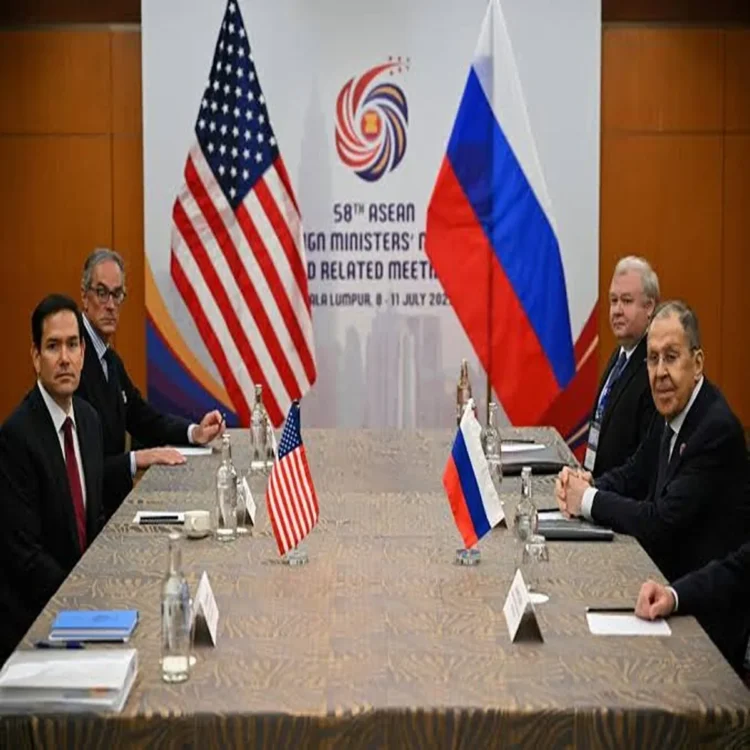
Secretary of State Marco Rubio said on Sunday that he is prepared to meet with senior officials from both China and Russia during this week’s Association of Southeast Asian Nations (ASEAN) foreign ministers’ gathering in Manila. While no formal meetings had been confirmed, Rubio indicated that Washington remains willing to maintain direct diplomatic communication with Beijing and Moscow despite ongoing geopolitical tensions.
Possible Meetings During ASEAN Summit
Speaking to reporters before the meetings began, Rubio said the United States would welcome discussions with Chinese Foreign Minister Wang Yi and Russian Foreign Minister Sergei Lavrov if schedules allow.
He declined to discuss what topics could be raised during any potential talks, explaining that conversations between senior diplomats often involve sensitive issues that are better handled privately. Rubio emphasized that he would not comment publicly on possible negotiating points before such meetings take place.
The ASEAN gathering is expected to bring together foreign ministers from across Southeast Asia along with representatives from major global powers, providing opportunities for bilateral discussions on regional security, economic cooperation and international affairs.
Diplomatic Contacts Continue Despite Differences
Rubio and Wang Yi have maintained diplomatic contact over the past year. The two officials previously met on the sidelines of an ASEAN meeting in Kuala Lumpur, where they discussed issues affecting relations between the world’s two largest economies.
More recently, they also held a telephone conversation after President Donald Trump’s visit to China earlier this year, reflecting continued communication between Washington and Beijing even as disagreements persist on several strategic matters.
Rubio’s remarks come only days after President Trump accused China of attempting to interfere in US elections, comments that added fresh tension to an already complex relationship between the two countries.
First Official Visit to the Philippines
The visit marks Rubio’s first official trip to the Philippines since taking office as US Secretary of State. The country remains one of Washington’s key security partners in Southeast Asia, and the visit is expected to reinforce long-standing diplomatic and strategic ties.
Regional governments are also facing economic uncertainty linked to renewed instability following the recent escalation involving the United States and Iran. The broader geopolitical climate is likely to feature prominently in discussions among participating ministers throughout the summit.
ASEAN Remains Central to US Regional Strategy
Rubio described ASEAN as the United States’ primary platform for engagement with Southeast Asia, underlining the organization’s importance in advancing regional cooperation and dialogue.
During his visit, he is expected to hold a series of bilateral meetings with leaders and foreign ministers from ASEAN member states. In addition, he will participate in discussions with counterparts from the Quad grouping, which includes India, Japan and Australia alongside the United States.
The meetings are expected to cover a wide range of issues, including regional stability, maritime security, economic partnerships and cooperation on emerging global challenges. Analysts view the ASEAN summit as an important opportunity for participating countries to exchange views on developments affecting the Indo-Pacific region and the wider international landscape.
As diplomatic activity continues in Manila, attention will remain focused on whether separate meetings involving US, Chinese and Russian officials take place, with observers watching for any indications of progress in maintaining dialogue amid continuing international tensions.