
Banking – RBI Deputy Governor Calls for Stronger Internal Ombudsman to Protect Customers
Banking – Effective customer grievance handling remains central to strengthening confidence in India’s financial system.
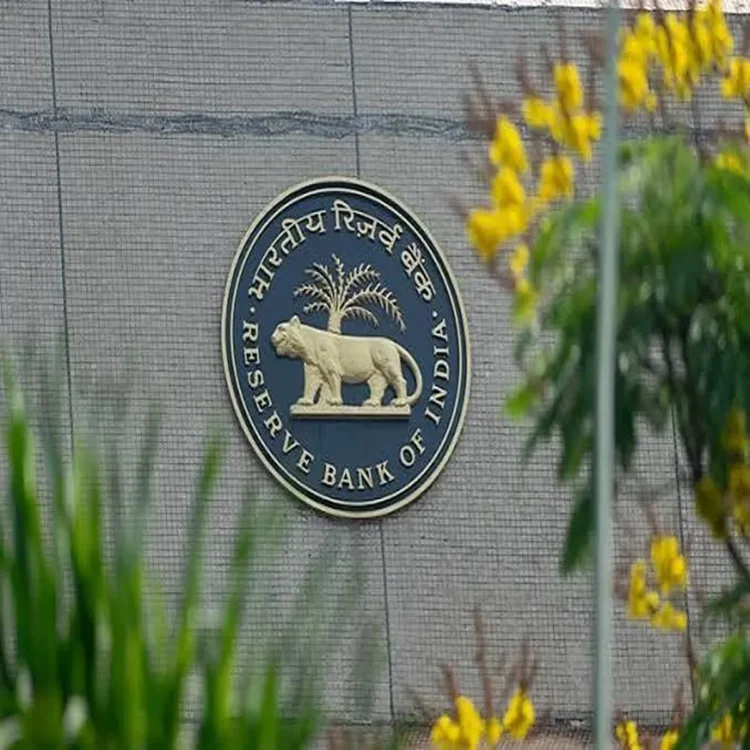
The Reserve Bank of India (RBI) has asked banks and other regulated financial institutions to reinforce their Internal Ombudsman framework so that customer complaints are handled impartially and resolved within the organisation itself. The appeal was made by RBI Deputy Governor Swaminathan J during the Internal Ombudsman Conference held in Mumbai on July 13, 2026. According to a statement issued by the central bank, he stressed that institutions should create systems that ensure fairness, transparency and independence while addressing customer grievances.
Strong complaint redressal begins within institutions
Addressing participants at the conference, Swaminathan J said that responsibility for delivering quality customer service extends across every level of an organisation. He explained that it begins with the board of directors, continues through senior leadership and operational teams, and is ultimately reflected in every interaction customers have with the institution. He emphasised that everyone involved has a role in creating a stronger customer service environment built on trust and accountability.
RBI points to gaps in existing complaint handling
The Deputy Governor highlighted that a considerable number of complaints later decided in favour of customers by the RBI Ombudsman had never been referred to the Internal Ombudsman within the concerned institutions. He said this trend indicates that several organisations need to improve their internal review mechanisms before disputes reach the regulator.
According to the RBI, strengthening the Internal Ombudsman process can help ensure that complaints receive a fair assessment at an earlier stage, reducing the need for customers to seek external intervention.
Digital financial growth increases the need for robust systems
Swaminathan J observed that India’s financial ecosystem has expanded rapidly with greater digital adoption and stronger interconnectivity among financial services. As banking services become more technology-driven and customer expectations continue to rise, the importance of an efficient grievance redressal system has also grown.
He said the Internal Ombudsman serves a vital purpose by providing an independent perspective while reviewing customer complaints. Beyond following established procedures, the role requires balanced judgement, fairness and empathy to reach meaningful outcomes for consumers.
Fair outcomes should take priority over procedural closure
The RBI Deputy Governor also cautioned regulated entities against treating the closure of a complaint as the same as resolving it. He noted that an institution may formally close a case after issuing a response, yet the customer’s actual concern may remain unresolved.
He encouraged financial institutions to focus on delivering timely and equitable solutions rather than simply defending their decisions. In his view, the effectiveness of a grievance redressal mechanism should be measured by the quality of its resolutions and the confidence it creates among customers, rather than the number of complaints disposed of.
Independence and customer trust remain key objectives
During his address, Swaminathan J urged Internal Ombudsmen to exercise independent judgement in every case and ensure that customer interests are represented fairly during institutional decision-making. He said maintaining impartiality is essential for building confidence in the complaint resolution process.
The RBI statement added that the long-term success of the Internal Ombudsman framework will depend on whether customers believe their concerns are heard objectively and resolved without bias inside the institution itself. Strengthening this confidence, he noted, is essential for improving customer experience and reinforcing trust in India’s regulated financial sector.