
Emergency Anniversary – Delhi CM Rekha Gupta Calls for Annual Remembrance of Emergency Era
Emergency Anniversary – Delhi Chief Minister Rekha Gupta has urged that the legacy of the Emergency should be remembered every year to reinforce the importance of protecting democratic institutions and constitutional principles.
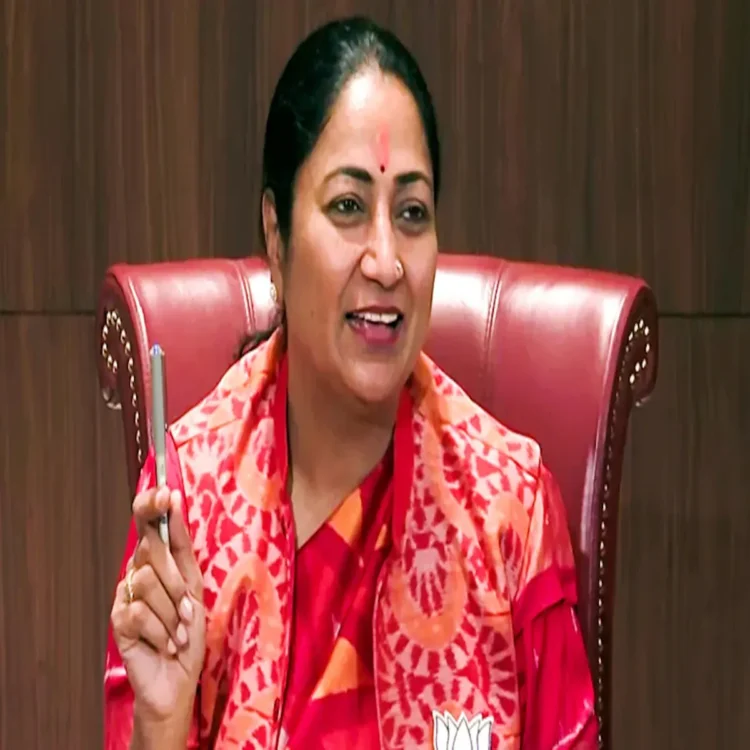
Delhi Chief Minister Advocates Annual Observance of Emergency Anniversary
Delhi Chief Minister Rekha Gupta has proposed that the anniversary marking the Emergency should be observed every year in a manner similar to the symbolic burning of Ravana during the Dussehra festival. Speaking at a seminar organised by the Bharatiya Janata Party in the national capital to mark the 51st anniversary of the Emergency, she said such an annual observance would help ensure that future generations never forget one of the most debated periods in India’s democratic history.
According to Gupta, commemorating the occasion each year would serve as a reminder that citizens remain committed to safeguarding democratic values and preventing any recurrence of circumstances similar to those witnessed during the Emergency.
Remarks on Democracy and the Constitution
During her address at the programme held under the banner of “Samvidhan Hatya Diwas,” the Chief Minister also spoke about the significance of the Constitution in India’s democratic framework. Without naming anyone directly, she criticised political leaders who, she said, frequently claim that democracy is under threat while carrying copies of the Constitution.
Gupta stated that the Constitution belongs to the people of the country and cannot be treated as the possession of any individual or political party. She added that democracy remains independent of personal political narratives and derives its strength from the nation’s constitutional institutions and the will of its citizens.
Tribute to Leaders Who Opposed the Emergency
The Chief Minister paid tribute to leaders who resisted the Emergency and continued to defend democratic principles despite facing significant challenges. She specifically referred to Jayaprakash Narayan and former Prime Minister Atal Bihari Vajpayee, saying their determination and commitment inspired many during that period.
The event was also attended by former Union minister Smriti Irani and Delhi BJP president Harsh Malhotra. Individuals who had been imprisoned during the Emergency were honoured for their contribution and sacrifices during the period.
Leadership Should Focus on Public Service
Highlighting the qualities of responsible leadership, Gupta said that genuine public representatives should place national interest above personal ambitions or political gains. She stressed that the duty of leaders is to serve citizens, uphold constitutional values, and strengthen democratic institutions through their actions.
She added that protecting democracy requires continuous commitment from both elected representatives and the public, ensuring that constitutional principles remain at the centre of governance.
Background of the Emergency
The Emergency in India remained in force from June 25, 1975, until March 21, 1977, during the tenure of then Prime Minister Indira Gandhi. The period remains one of the most significant chapters in India’s political history, with continued public and political debate over its impact on democratic institutions, civil liberties, and constitutional governance. The anniversary is observed each year by different political groups, often reflecting differing perspectives on its historical significance and lessons for the future.