
UCC Support – Women Show Stronger Backing for Uniform Civil Code in Madhya Pradesh
UCC Support – Women in Madhya Pradesh have emerged as stronger supporters of the proposed Uniform Civil Code (UCC) than men, according to suggestions submitted to the state government during its public consultation process.
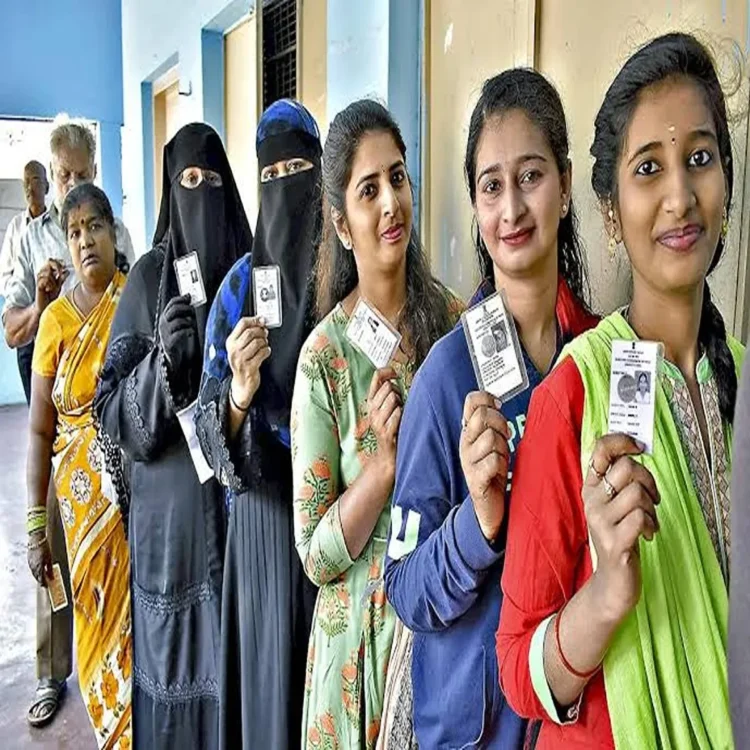
Women Register Higher Support for Proposed UCC
Data collected by the Madhya Pradesh government shows that more than 9.5 lakh individual suggestions were received regarding the proposed Uniform Civil Code. Of these, nearly 5.5 lakh responses came from men, around 4 lakh from women, while close to 100 suggestions were submitted by transgender individuals.
Although men contributed a larger number of responses overall, women expressed greater support for introducing the Uniform Civil Code. Government figures indicate that about 95 percent of women who participated in the consultation supported the proposal, compared with approximately 92 percent of male respondents.
Religious Breakdown Reflects Different Trends
Among Hindu participants, support for the proposed law remained consistently high. Around 95 percent of Hindu men who shared their views backed the proposal, while support among Hindu women was even stronger, reaching nearly 97 percent.
A more noticeable difference appeared within the Muslim community. Around 44,000 Muslim citizens submitted suggestions to the government. Of the nearly 15,000 Muslim women who participated, about 71 percent supported the implementation of the Uniform Civil Code. In contrast, only around 38 percent of the approximately 29,000 Muslim men who submitted responses expressed support for the proposal.
Besides individual responses, the government also received nearly 2,000 institutional suggestions from different organisations and groups.
Draft Nears Completion After Public Consultations
Officials associated with the high-level committee preparing the state’s Uniform Civil Code said that all suggestions collected through the dedicated online portal and consultations across Madhya Pradesh are being carefully reviewed. The discussions included representatives from social organisations, religious bodies, political parties, legal experts and government officials.
Sources familiar with the process indicated that nearly 90 percent of the draft has already been prepared. The remaining portion is expected to be completed after incorporating practical and legally appropriate recommendations received during the consultation exercise.
The committee, headed by former Supreme Court judge Justice (Retired) Ranjana Prakash Desai, recently met in New Delhi to review the progress. It is expected to submit the final draft along with two detailed reports within the next week. One report will summarise the consultation process, while the other will compile recommendations received from different sections of society.
The Madhya Pradesh government has earlier indicated that the draft is expected to be ready by July 5. It is yet to be decided whether the document will be released for public viewing before being introduced as legislation during the monsoon session of the state Assembly, scheduled to begin on July 20.
Tribal Communities Expected to Remain Outside the Law
According to officials, the proposed legislation will primarily deal with matters such as marriage, divorce, inheritance and succession, similar to models adopted by other BJP-governed states. At the same time, the committee has agreed to keep the state’s tribal population outside the scope of the proposed law.
Madhya Pradesh has the country’s largest tribal population, accounting for nearly 21 percent of its residents. However, discussions are still underway on whether tribal individuals choosing to opt into the new legal framework voluntarily could be included. Questions also remain regarding tribals who have adopted other religions or tribal women married to non-tribal men.
Live-In Registration and Protection Measures Under Consideration
People familiar with the drafting process said the proposed legislation may also require compulsory registration of live-in relationships, following provisions introduced in some other states. The objective behind such a provision would be to safeguard the legal rights of women and children while also reducing disputes arising from such relationships.
During recent consultations, stakeholders additionally recommended stronger legal safeguards for elderly citizens and persons with disabilities, particularly in cases involving abandonment after the transfer of family property. These suggestions are also being examined before the draft is finalised.