
DrugControl – Amit Shah Reaffirms India’s Push Against Drug Networks and Addiction
DrugControl – Union Home Minister Amit Shah reaffirmed the Centre’s commitment to eliminating illegal drug networks while strengthening support systems for people struggling with substance addiction, marking the observance of the International Day Against Drug Abuse and Illicit Trafficking on Friday.
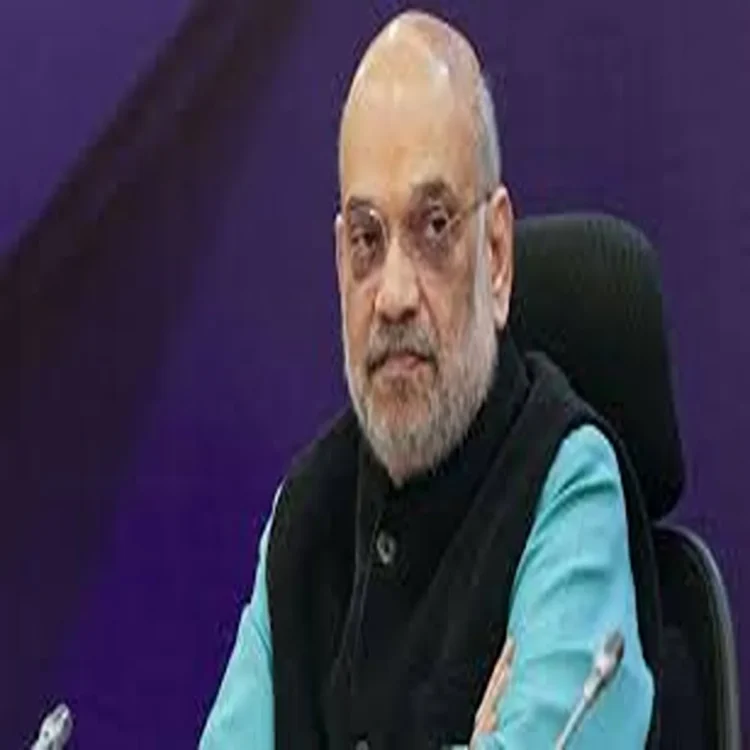
Speaking on the occasion, Shah said the government, under the leadership of Prime Minister Narendra Modi, has intensified its campaign against the growing global challenge of narcotics. In a message shared on X, he praised officials, enforcement agencies and frontline personnel engaged in the nationwide fight against drugs. He stated that the government’s strategy combines strict action against organised drug syndicates with rehabilitation efforts designed to help individuals recover through treatment, care and social support. Shah also stressed the importance of protecting young people from the dangers of substance abuse and reiterated the vision of a drug-free India.
High-Level Meeting to Review National Strategy
Later in the day, the Home Minister is expected to chair the 10th apex-level meeting of the Narco-Coordination Centre (NCORD), a key platform responsible for coordinating anti-narcotics efforts across the country. During the meeting, Shah will also unveil the Vision Document on Narcotics Control (2026–2029), which outlines the government’s policy direction for the coming three years.
The conference, organised by the Narcotics Control Bureau (NCB), will bring together representatives from 44 central ministries and departments, senior officials from state governments, and various law enforcement agencies involved in tackling drug-related crimes. The gathering is expected to focus on strengthening coordination and improving the implementation of anti-drug measures nationwide.
Vision Document Sets Three-Year Roadmap
According to the Ministry of Home Affairs, the newly prepared vision document has been developed after extensive consultations with government departments, enforcement bodies and other stakeholders. The framework is intended to guide future policymaking while reinforcing institutional capabilities to address drug trafficking and substance abuse.
Officials said the roadmap covers three major areas: reducing demand for narcotics, disrupting supply chains and minimising the social and health-related harm caused by drug addiction. It also promotes a network-based enforcement model aimed at improving intelligence sharing and coordinated action among agencies.
Focus on Emerging Drug Challenges
The policy framework pays particular attention to emerging threats, including the rapid spread of synthetic drugs and the use of darknet platforms for illegal narcotics trade. It also outlines measures to prevent young people from becoming involved in drug use while expanding access to treatment centres, rehabilitation programmes and recovery services for those affected by addiction.
The government believes these measures will help improve long-term enforcement capabilities while ensuring that rehabilitation remains an integral part of the national anti-drug strategy.
Nationwide Disposal of Seized Narcotics
As part of the ongoing drug disposal fortnight campaign, enforcement agencies across India are set to destroy approximately 2,09,500 kilograms of seized narcotics. The estimated value of the drugs being disposed of is around Rs 6,000 crore, and officials said the destruction process will be carried out strictly in accordance with legal procedures.
Global Awareness Day Against Drug Abuse
Observed every year on June 26, the International Day Against Drug Abuse and Illicit Trafficking is recognised by the United Nations to raise awareness about the harmful effects of drug abuse and to encourage international cooperation in combating the illegal drug trade. The annual observance has been held since 1989 and continues to highlight the need for stronger prevention, enforcement and rehabilitation efforts across the world.