
Wetlands – Indian Spot-Billed Ducks Return to Thoothukudi Water Bodies
Wetlands – The growing presence of Indian Spot-billed Ducks across Thoothukudi’s wetlands has once again highlighted the ecological importance of the district’s natural water ecosystems.
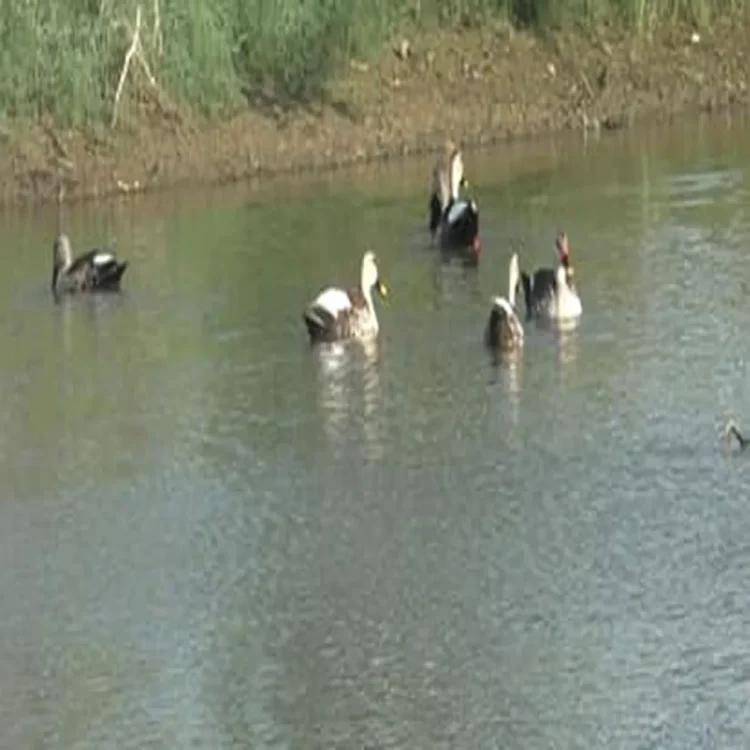
The wetlands, salt pans, and lakes spread across the Thoothukudi district are witnessing a noticeable rise in the number of Indian Spot-billed Ducks, attracting bird watchers and environmental enthusiasts alike. The increasing sightings of these water birds are being viewed as a positive sign for the region’s aquatic ecosystem, reflecting the healthy condition of local wetlands and natural habitats.
Distinctive Features Draw Attention
Indian Spot-billed Ducks are recognised for their unique physical characteristics, especially their yellow-tipped bills marked with distinctive spots. Their brown and grey plumage blends naturally with wetland surroundings, allowing them to move quietly through shallow waters. These birds are often observed travelling in pairs or in small groups around lakes, marshes, and salt pan regions.
Nature enthusiasts visiting the district have reported frequent sightings during the early morning and evening hours when the birds actively search for food along the water’s edge. Their calm behaviour and graceful movement across the wetlands have become a point of interest for photographers and bird lovers.
Wetlands Provide Ideal Habitat
Environmental experts explain that Indian Spot-billed Ducks prefer undisturbed freshwater zones, marshlands, and shallow water bodies rich in aquatic vegetation. Their diet mainly consists of water plants, seeds, insects, and small aquatic organisms naturally found in wetland environments.
Because these birds depend heavily on balanced aquatic ecosystems, their continued presence is considered important for maintaining the natural food chain within wetlands. Scientists and conservation observers often treat such species as biological indicators that reflect the overall condition of the environment.
Ecological Balance Remains Stable
The return and steady presence of Indian Spot-billed Ducks in Thoothukudi’s wetlands are being interpreted as evidence that several local water bodies continue to support biodiversity despite environmental pressures faced in many regions. Experts note that these birds generally avoid heavily polluted habitats, making their arrival an encouraging sign for conservation efforts.
Bird conservation groups have also pointed out that the wetlands of the district support not only resident species but also several migratory birds during different seasons. The presence of native duck species further strengthens the ecological value of these habitats.
Conservation Efforts Gain Importance
Environmental activists and wildlife observers are urging authorities and local communities to continue protecting the district’s wetlands and salt pans from pollution, encroachment, and habitat destruction. According to conservationists, preserving natural water bodies is essential to ensuring that bird populations continue to thrive in the region.
They emphasise that sustainable management of wetlands can improve biodiversity while also supporting ecological stability for future generations. Increased awareness among local residents is expected to play a key role in maintaining these habitats and encouraging responsible environmental practices.
As sightings of Indian Spot-billed Ducks continue to increase across Thoothukudi, nature lovers remain hopeful that stronger conservation measures will help preserve the district’s rich wetland ecosystem and provide safe shelter for many more bird species in the years ahead.