
Agriculture – Maharashtra Government Tightens Action on Illegal Cattle Trade
Agriculture – The Maharashtra government has decided to apply the Maharashtra Control of Organised Crime Act (MCOCA) in cases linked to illegal cattle transportation, cow smuggling, and unauthorised slaughterhouse operations. Chief Minister Devendra Fadnavis said the move marks the first time the stringent law has been used in connection with such offences in the state.
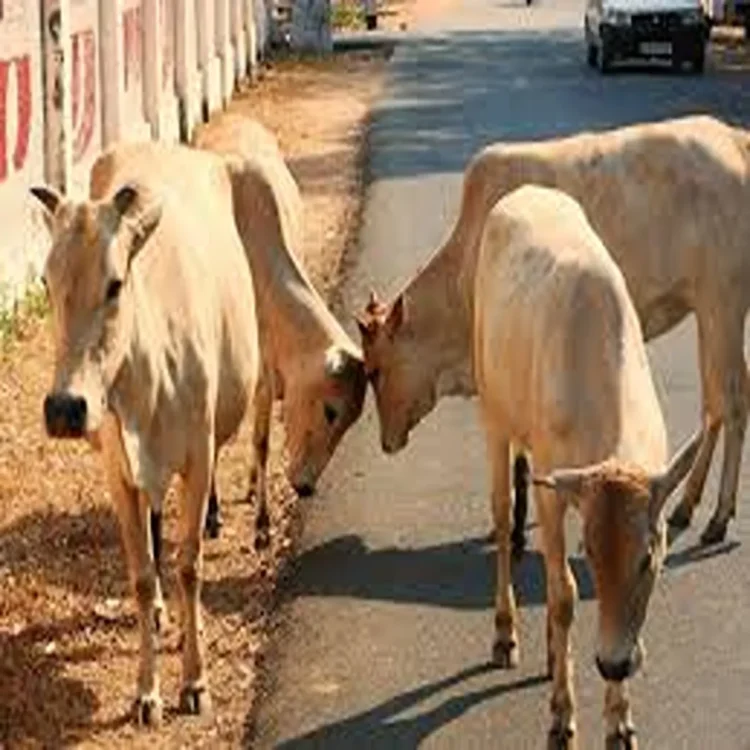
According to the Chief Minister, the decision was taken to curb organised criminal networks allegedly involved in unlawful cattle trade activities across different regions. He maintained that the government’s action was legally sound and would stand firm if challenged in court. Fadnavis warned that strict legal action would continue against those found violating the law related to cattle smuggling and illegal slaughter operations.
Government Defends Legal Action
While addressing the issue, Fadnavis stated that authorities had carefully examined the legal provisions before implementing MCOCA in these cases. He said the administration was confident that the action would withstand judicial scrutiny because of the seriousness and organised nature of the offences being investigated.
The Maharashtra Control of Organised Crime Act is generally invoked in cases involving organised criminal activity. By extending its use to illegal cattle transportation and slaughter-related crimes, the state government has signalled a tougher approach toward unlawful networks operating in this sector.
Officials believe the measure could strengthen enforcement agencies by allowing stricter investigation procedures and harsher legal consequences for offenders. The Chief Minister reiterated that the government would continue to monitor such activities closely and take firm action wherever necessary.
Focus Shifts to El Nino Preparedness
Apart from law enforcement matters, the Chief Minister also spoke about preparations for possible weather disruptions linked to El Nino conditions during the upcoming agricultural season. He said the state administration has already prepared a detailed strategy to manage the risks associated with uneven or below-normal rainfall.
Fadnavis noted that some areas of Maharashtra could witness intense rainfall, while other regions may experience water shortages due to changing climate patterns. To address these challenges, district administrations have been instructed to remain alert and implement precautionary measures in advance.
The government has reportedly prepared emergency response plans and coordinated with local authorities to minimise the impact of extreme weather conditions. Officials are also monitoring rainfall forecasts and climate-related developments ahead of the kharif season.
Concerns Over Kharif Season Rainfall
The Chief Minister described El Nino as one of the biggest concerns for Maharashtra’s farming sector this year. He said rainfall during the monsoon season is expected to remain lower than average, which could directly affect crop production and water availability in several districts.
To reduce the possible impact, the government has accelerated water conservation efforts under the Jalyukt Shivar programme. The initiative focuses on improving water storage capacity, groundwater recharge, and irrigation support in drought-prone areas.
Fadnavis said local administrations have been instructed to ensure proper planning for water distribution and agricultural management during the crop cycle. Authorities are also encouraging farmers and residents to use water resources carefully to avoid shortages later in the season.
Appeal for Responsible Water Usage
The state government has appealed to citizens and farmers to adopt efficient water usage practices during the monsoon and farming period. Officials believe careful water management will play a key role in protecting crops and reducing the effects of possible rainfall deficits caused by El Nino conditions.
The administration has also directed district-level teams to stay prepared for both heavy rainfall situations and drought-related challenges. According to the Chief Minister, coordinated planning and timely action will be essential in maintaining agricultural stability and public safety in the coming months.