
Infrastructure – India Plans Longer Clearance Window for Port Development
Infrastructure – The Union Environment Ministry has proposed a major revision to the validity period of environmental clearances granted to port, harbor, and dredging projects, aiming to support long-term infrastructure development and reduce regulatory hurdles for delayed ventures.
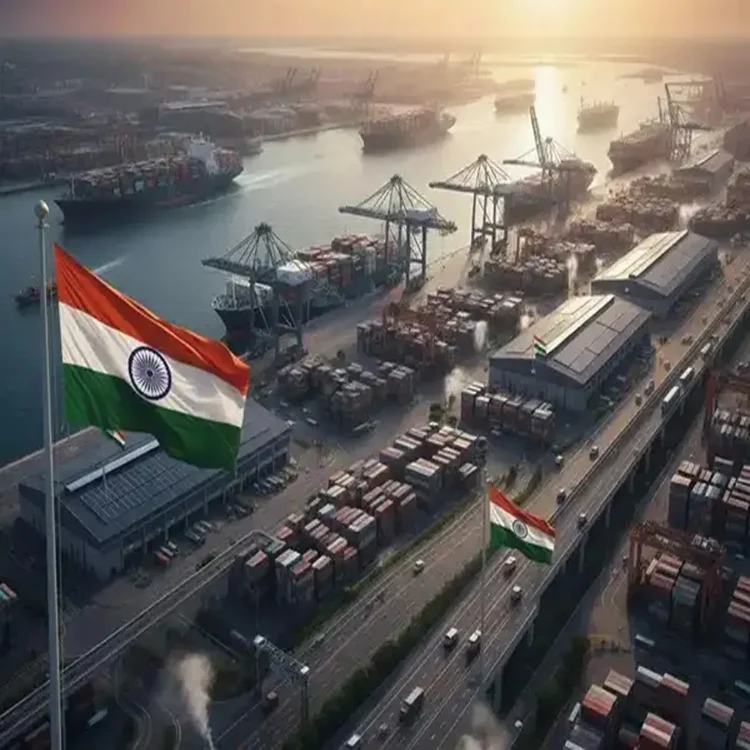
The Ministry of Environment, Forest and Climate Change (MoEFCC) released a draft notification recommending that the validity of environmental clearances for such projects be significantly increased. Under the proposal, the existing approval period of 10 years, which currently allows only a one-year extension, may be expanded to 15 years with an additional extension option of five years. If approved, the total validity could extend up to 20 years.
Proposal Aims to Address Long Project Timelines
Officials involved in the review process said that large maritime infrastructure projects often require extended timelines because of their scale and complexity. Port construction and dredging operations generally involve lengthy planning phases, financing arrangements, land acquisition procedures, and multiple layers of regulatory approvals before physical work can progress smoothly.
According to the draft notification, many of these delays occur due to reasons beyond the control of project developers. Legal disputes, acquisition-related complications, and administrative clearances have frequently slowed down project execution across the sector.
The government believes that extending the environmental clearance period would provide greater stability to companies and authorities handling such projects, while also helping prevent interruptions caused by expired approvals.
Expert Committee Backed the Revision
The proposal follows recommendations made by the Sectoral Expert Appraisal Committee, which reviewed the current environmental clearance framework for maritime projects. The panel concluded that the existing 10-year limit is often insufficient for completing large-scale coastal infrastructure developments.
During its assessment, the committee compared port and harbour projects with other sectors that operate under long development cycles, including mining and nuclear power facilities. Similar revisions to environmental clearance timelines have already been introduced in those sectors to accommodate extended construction periods and operational challenges.
Experts associated with the review process stated that harmonising approval timelines across infrastructure sectors would create greater policy consistency and improve long-term planning for investors.
Focus on Regulatory Stability and Investment Confidence
Government officials said the proposed amendment is also intended to strengthen the ease of doing business framework for infrastructure projects in India. By reducing the need for repeated applications and fresh approvals, authorities expect the revised policy to minimise procedural uncertainty for developers.
An official familiar with the matter said the move would help prevent major maritime projects from being forced to halt construction midway due to the expiry of environmental permissions. Reapplying for approvals often leads to additional delays and financial strain on multi-phase projects that are already under execution.
The draft notification noted that the Centre has periodically revised environmental clearance validity periods in sectors where projects face long gestation timelines because of external factors and implementation-related challenges.
Public Feedback Invited on Draft Notification
The Environment Ministry has opened the proposal for public consultation and invited comments, objections, and suggestions from stakeholders. A 60-day period has been provided for feedback before the notification is finalised.
Industry observers believe the proposal could benefit ongoing and future port expansion plans by providing developers with a longer compliance window. However, environmental groups and policy experts are also expected to examine whether extended validity periods should include stronger monitoring mechanisms to ensure continued compliance with environmental norms during prolonged construction phases.
The final decision on the revised clearance period will be taken after reviewing responses received during the consultation process.