
Russia-Ukraine War – Supreme Court Orders Better Support for Families of Affected Indians
Russia-Ukraine War – Families of Indian nationals affected after allegedly being recruited into the Russian military are set to receive improved institutional support following fresh directions issued by the Supreme Court.
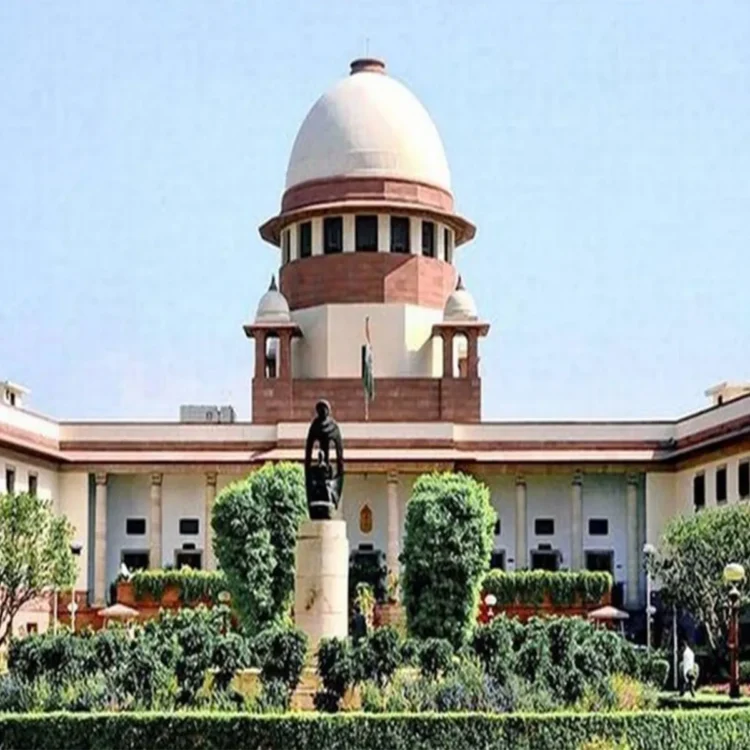
The Supreme Court on Friday instructed the Ministry of External Affairs (MEA) to appoint a dedicated nodal officer to coordinate with families of Indian citizens who were allegedly deceived by travel agents and later found themselves serving in the Russian armed forces during the ongoing Russia-Ukraine conflict. The Court said the officer must remain accessible to the families of those who lost their lives or suffered injuries and provide assistance throughout the process.
Court Calls for Faster Identification and Repatriation
A Bench headed by Chief Justice of India Surya Kant directed the Centre to ensure timely DNA testing for identifying mortal remains before they are handed over to relatives. The judges stressed that the identification process should be completed with scientific verification so that families can receive the remains of their loved ones without avoidable hardship.
The Court also ordered that delays in compensation-related procedures should not prevent the return of mortal remains or interfere with funeral rites. It asked the MEA to coordinate these processes separately so that grieving families are not forced to wait for administrative formalities.
Compensation Process to Be Simplified
To make the legal process easier, the Bench instructed the MEA to prepare a comprehensive guide explaining how compensation claims can be filed before Russian authorities. This document must be translated into regional Indian languages so that affected families can understand every step without language barriers.
The Court further directed that documents received from Russian authorities regarding compensation and repatriation should also be translated before being shared with relatives. While compensation claims will continue to be routed through the MEA, the Court emphasized that administrative processing should not slow down humanitarian assistance.
Free Legal Assistance Ordered
Recognising the financial difficulties faced by many families, the Supreme Court instructed State Legal Services Authorities across the country to provide free legal aid. Their role will include helping families complete compensation applications and facilitating DNA-related formalities wherever necessary.
The Bench observed that several young Indians had travelled to Russia during 2024 and 2025 after being promised jobs in sectors such as construction, hospitality and other services. According to the Court’s observations, many allegedly had their passports taken away upon arrival and were subsequently enrolled in the Russian military before being deployed in conflict zones.
Families Raise Concerns Before the Court
Representing the petitioners, Advocate Ritwik Bhanot argued that affected families had repeatedly sought assistance from authorities but remained concerned about delays in several cases. He informed the Court that some mortal remains returned from Russia were in an advanced state of decomposition, making DNA testing essential for proper identification.
Bhanot also stated that many families were facing financial hardship and requested limited directions to ensure regular communication with the MEA and prompt DNA testing. He sought additional time to obtain instructions from the petitioners after reviewing the government’s latest status report regarding compensation procedures.
Centre Defends Existing Mechanism
Appearing for the Union Government, Additional Solicitor General Aishwarya Bhati submitted that the Centre had already established a structured process for repatriation and compensation. She told the Court that Russian authorities release mortal remains only after DNA verification and that the MEA had been maintaining direct contact with affected families for several months.
Bhati also argued that no mortal remains are brought back without the family’s consent and proper identification. She maintained that ongoing legal proceedings should not delay humanitarian processes and said the government continued to engage with families directly.
Court Advises Professional Restraint
During the hearing, the government objected to public remarks allegedly made by the petitioners’ counsel regarding the case. After Bhanot acknowledged making public comments and said the emotional nature of the matter sometimes affected him, Justice Joymalya Bagchi advised that lawyers representing bereaved families should maintain professional restraint while presenting their cases.
The petitions have been filed by families of 26 Indian nationals who claimed their relatives were allegedly lured to Russia with promises of employment or educational opportunities before being compelled to join the Russian military. Earlier this year, the Centre informed the Court that 10 of those individuals had died, while one was facing criminal proceedings in Russia and another had chosen to remain under a military contract. The latest directions are intended to strengthen official support for families by improving identification, repatriation and compensation procedures.