
CrudeOil – Fuel Price Increase Pushes Petrol and Diesel Rates Higher
CrudeOil – Fuel prices across India rose sharply on Friday after state-owned oil marketing companies announced an increase of Rs 3 per litre for both petrol and diesel. The revision comes after more than four years without a major upward adjustment and reflects growing pressure on retailers from elevated international crude oil prices linked to tensions in West Asia.
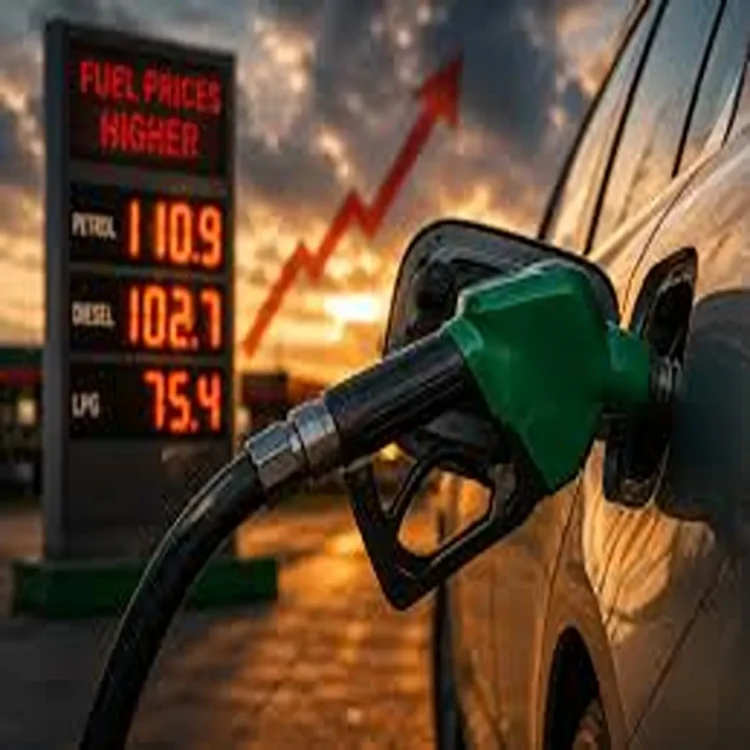
The latest increase was implemented just over two weeks after assembly elections ended in Assam, Kerala, Tamil Nadu and West Bengal. During the election period, fuel prices remained unchanged despite a steep jump in global crude rates triggered by military escalation involving Iran, Israel and the United States.
Fresh Rates Announced Across Major Cities
Following the revision, petrol in Delhi is now priced at Rs 97.77 per litre, while diesel costs Rs 90.67 per litre. Mumbai recorded petrol prices at Rs 106.68 and diesel at Rs 93.14 per litre.
In Kolkata, petrol climbed to Rs 108.74 per litre and diesel reached Rs 95.13. Chennai also witnessed an increase, with petrol now retailing at Rs 103.67 and diesel at Rs 95.25 per litre. Fuel prices continue to differ from state to state due to varying local taxes and value-added tax structures.
Global Crude Prices Behind the Increase
The latest revision follows a prolonged period of price stability that began in April 2022 after oil companies suspended daily fuel rate adjustments. That decision had come when crude oil prices surged globally after the Russia-Ukraine conflict disrupted energy markets.
Industry officials said the current situation became more difficult after the recent West Asia crisis pushed crude oil prices above USD 120 per barrel during peak tensions. Although prices have eased slightly, crude continues to trade between USD 104 and USD 110 per barrel, significantly above earlier levels of around USD 70.
The disruption of shipping movement through the Strait of Hormuz further intensified concerns because the route handles a major share of global oil and gas transportation.
Oil Companies Facing Heavy Financial Pressure
According to industry estimates, public sector fuel retailers were incurring losses of nearly Rs 14 per litre on petrol and Rs 42 per litre on diesel before the latest hike was introduced. Losses on domestic LPG cylinders were also reported to be substantial.
Earlier this week, Petroleum Minister Hardeep Singh Puri stated that government-owned oil firms were collectively losing close to Rs 1,000 crore every day due to rising import costs. He warned that continuing losses at the current pace could erase annual profits and push cumulative losses to nearly Rs 1 lakh crore.
Officials described Friday’s increase as a measured attempt to reduce financial pressure on oil companies without creating an immediate shock for consumers.
Private Fuel Retailers Had Already Increased Prices
While public sector retailers maintained stable prices for months, several private fuel sellers had already revised rates earlier this year. Nayara Energy raised petrol and diesel prices in March, while Shell significantly increased fuel prices from April.
In Bengaluru, Shell’s retail fuel rates are among the highest in the country, with petrol selling above Rs 119 per litre and diesel crossing Rs 123 per litre.
Domestic LPG cylinder prices had also been raised by Rs 60 in March, though officials maintained that current retail prices are still below actual market-linked costs.
Inflation Concerns Likely to Grow
Economists believe the fuel price increase could affect household budgets beyond direct vehicle expenses. Higher fuel costs generally lead to increased transportation, logistics and freight charges, which may eventually push up prices of goods and services across sectors.
Government data already indicates rising inflationary pressure. Retail inflation based on the Consumer Price Index rose to 3.48 percent in April 2026 from 3.40 percent in March. Wholesale inflation climbed to an over three-year high of 8.3 percent, largely driven by energy and fuel-related costs.
Government Urges Reduced Fuel Consumption
In recent public remarks, Prime Minister Narendra Modi encouraged citizens to reduce fuel usage where possible by relying more on public transport, shared mobility and work-from-home arrangements. The government believes lower fuel consumption could help reduce India’s import burden and support foreign exchange stability during volatile global market conditions.