
Census2027 – Delhi Introduces QR Verification for Household Survey Teams
Census2027 – Authorities in Delhi have introduced a QR code-based authentication system for officials conducting the upcoming Census 2027 survey in an effort to strengthen public trust and prevent fraud during door-to-door data collection.
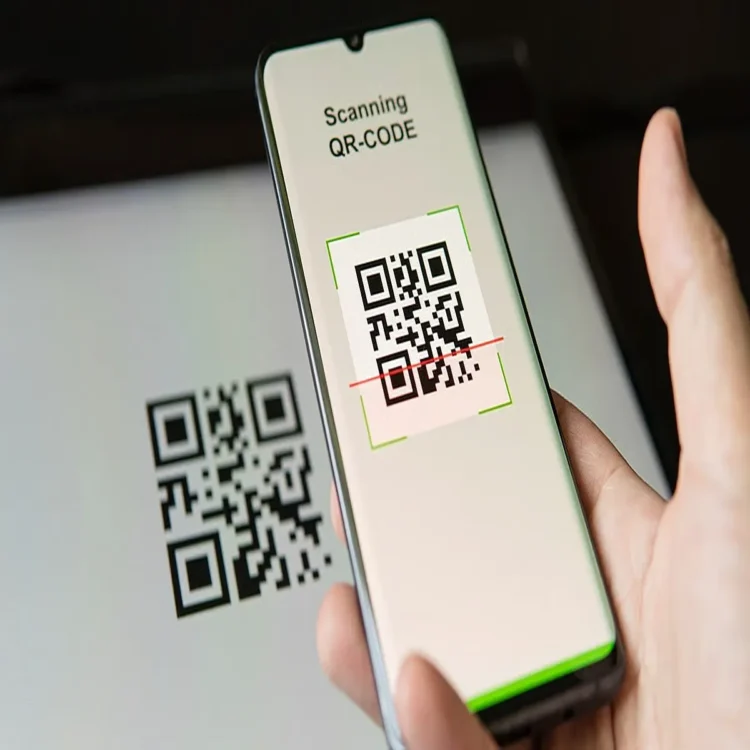
With incidents of cyber scams and impersonation increasing across the country, officials have taken additional precautions ahead of the household enumeration exercise scheduled to begin on May 16 in areas under the Municipal Corporation of Delhi. The new verification process is designed to help residents confirm the identity of census workers visiting their homes.
QR Codes Added to Official Documents
According to officials familiar with the exercise, every enumerator and supervisor assigned to the census operation will carry an official appointment letter along with a government-issued identity card. Both documents will contain unique QR codes that residents can scan using a mobile phone to verify whether the personnel are genuinely connected with the census department.
Authorities said the system has been introduced to reduce confusion and discourage criminals from posing as government representatives. Residents have been advised to carefully examine identification documents if they have doubts about the authenticity of anyone claiming to be part of the census process.
Officials noted that the QR-based verification system is expected to improve transparency and make field operations safer for both citizens and survey staff.
Concerns Rise Over Fake Government Identity Scams
The precautionary move comes at a time when several fraud cases involving fake officials and digital scams have been reported in different parts of India. Cybercriminals have increasingly used forged documents, fake calls, and impersonation tactics to deceive people.
Investigators have also observed the spread of misleading census-related messages online in recent months. In some cases, fraudsters allegedly attempted to misuse government branding and digital verification requests to gain access to personal information.
Authorities believe that allowing households to instantly verify officials through QR codes could significantly reduce the risk of such impersonation attempts during the nationwide census operation.
Self-Enumeration Process Continues
Meanwhile, the self-enumeration phase linked to Census 2027 is continuing alongside preparations for physical household visits. Officials said more than 93,000 entries were recorded on Monday alone.
Out of the total submissions, over 77,000 cases were fully completed, while thousands of others remained partially filled and were still in progress. Data shared by officials showed that the completion rate had crossed 82 percent, indicating a steady response from residents using the digital system.
The self-enumeration option allows households to submit details online before verification by census staff during field visits.
Verification Measures During Household Visits
Officials also clarified the procedure for situations where households are unable to geo-tag their exact location through the digital system. In such cases, residents may mark a nearby location instead.
During field verification, the assigned enumerator will carry downloaded maps connected to the relevant House Listing and Housing Block area. Officials will also have access to linked self-enumeration identification details to confirm records during visits.
Authorities said the layered verification mechanism has been designed to improve accuracy while ensuring that residents feel secure when interacting with census teams. The administration hopes that stronger authentication measures will encourage public participation and reduce hesitation caused by fears of cyber fraud or fake officials.
The Census 2027 exercise is considered one of the country’s largest data collection operations and is expected to play a key role in future planning related to housing, infrastructure, welfare schemes, and urban development.