
EV Policy – Delhi Approves New Electric Vehicle Plan to Accelerate Green Mobility
EV Policy – The Delhi government has taken a major step toward reshaping urban transportation by approving its new electric vehicle policy, aimed at expanding clean mobility while encouraging residents to replace older vehicles with zero-emission alternatives.
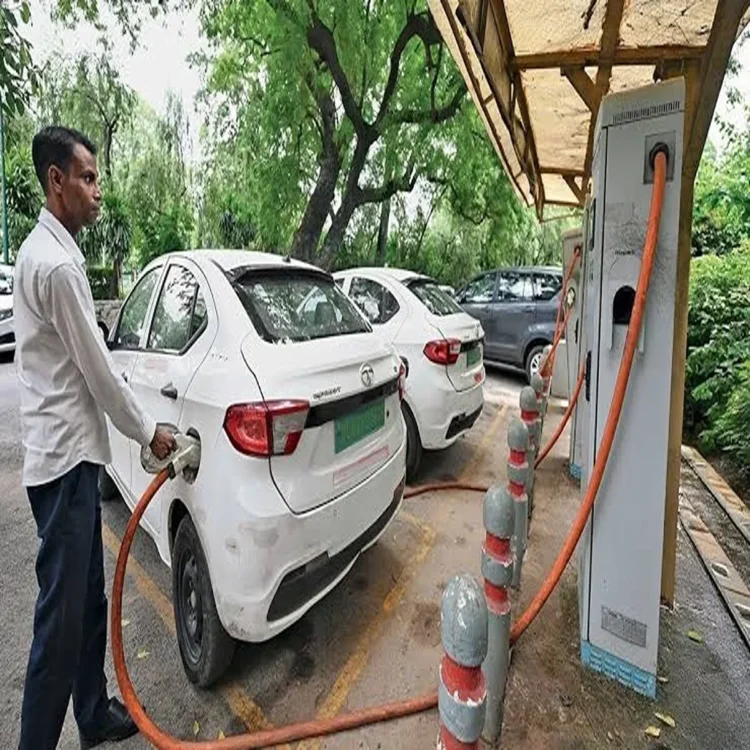
The Delhi Cabinet on Monday cleared the Delhi EV Policy 2026, paving the way for a significant expansion of electric mobility across the national capital. Chief Minister Rekha Gupta announced that the proposal has already received support from the Central government and will now be forwarded to the Lieutenant Governor for final approval. If cleared as scheduled, the policy is expected to come into effect on July 1, 2026, and will remain operational until March 31, 2030.
Focus on Replacing Older Vehicles
One of the central objectives of the new policy is to speed up the retirement of ageing and highly polluting vehicles. Along with financial assistance for purchasing electric vehicles, the government has introduced attractive scrappage incentives to encourage vehicle owners to shift to cleaner transportation options.
Owners replacing BS-IV or older two-wheelers with electric models will receive an additional scrappage incentive of Rs 10,000. Three-wheeler owners will be eligible for Rs 25,000, while operators of N1 category commercial trucks can receive up to Rs 50,000. Those replacing older four-wheelers with electric cars will qualify for a scrappage incentive of Rs 1 lakh. These incentives will be provided in addition to the purchase benefits available under the policy.
Large Investment Planned for Electric Mobility
The government estimates that more than Rs 7,000 crore will be invested directly over the next four years to support the transition toward electric transportation. When combined with tax exemptions, subsidies, and infrastructure development, the overall public benefit is expected to exceed Rs 15,000 crore.
Officials believe these investments will help accelerate the adoption of Zero Emission Vehicles while reducing dependence on conventional fuel-powered transport. The broader goal is to improve air quality and establish Delhi as a leading clean transport hub.
Tax Relief for Electric Vehicle Buyers
The policy also provides substantial financial relief for consumers purchasing fully electric vehicles. Buyers will receive complete exemption from road tax and registration charges. For electric cars, these exemptions will apply to vehicles priced up to Rs 30 lakh at the ex-showroom level, making electric ownership more affordable for a larger section of buyers.
Government Highlights Broad Consultation Process
Speaking after the Cabinet meeting, Chief Minister Rekha Gupta said the policy was prepared after detailed discussions with industry representatives, experts, and other stakeholders. According to her, several rounds of consultations helped shape the final draft before it was presented for Cabinet approval.
She expressed confidence that once the policy comes into force, residents purchasing new vehicles in Delhi will be able to benefit from the incentives and support measures introduced under the scheme.
Centre’s Support and Future Infrastructure Plans
The Chief Minister also acknowledged the support extended by Prime Minister Narendra Modi and the Union government, stating that tackling air pollution requires coordinated efforts across the National Capital Region. She described the policy as a long-term initiative designed to make Delhi cleaner, more environmentally responsible, and better prepared for future transportation needs.
Apart from financial incentives, the policy outlines ambitious infrastructure targets. The government plans to establish around 32,000 public EV charging points across the city while gradually expanding the use of electric commercial vehicles, institutional fleets, and two-wheelers. These measures are expected to reduce vehicle emissions significantly and strengthen Delhi’s transition toward sustainable urban mobility.