
ClimateChange – Europe Faces Deadly Heat as Wildfires and Storms Escalate
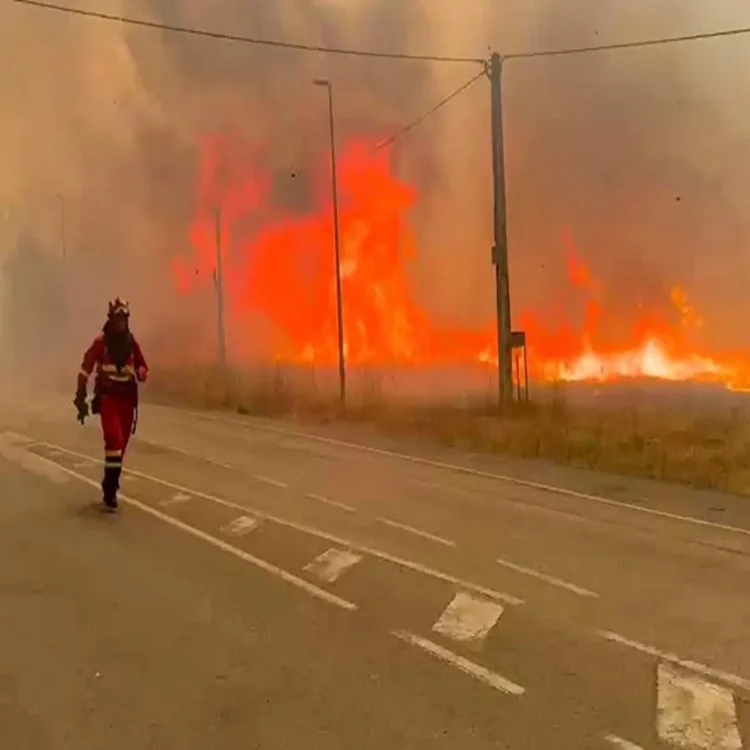
ClimateChange – Europe experienced another week of severe weather as an unprecedented heatwave claimed lives, fueled destructive wildfires, and triggered powerful thunderstorms across several countries. Authorities remain on high alert as emergency services respond to multiple climate-related incidents affecting millions of residents.
France Reports Sharp Rise in Heat-Related Deaths
French health officials have reported a significant increase in deaths during the most intense days of the recent heatwave. According to the country’s public health agency, approximately 1,000 more people died than expected over a three-day period when temperatures reached historic highs.
Daily deaths climbed from the usual 900 to 1,000 recorded during April and May to more than 1,200 on Wednesday, followed by over 1,400 on both Thursday and Friday. Officials said the final figure could increase further as additional information, particularly from deaths occurring in private homes, is collected.
The highest impact was recorded in regions placed under the country’s most severe heat alert, which covered nearly three-quarters of France at the peak of the extreme temperatures. Elderly residents were particularly affected, with people aged 65 and older accounting for the vast majority of reported deaths.
Germany Breaks Temperature Records
Germany continued to experience exceptional weather conditions as new national temperature records were registered over the weekend. Weather authorities confirmed an overnight minimum temperature of 29.4 degrees Celsius in eastern Saxony, only hours after a daytime high of 41.5 degrees Celsius was recorded in Saxony-Anhalt.
The consecutive records highlighted the intensity of the heatwave as it gradually shifted toward eastern Europe. Scientists have warned that such prolonged periods of extreme heat are becoming increasingly frequent.
Scientists Link Extreme Heat to Climate Change
A recent scientific assessment by the World Weather Attribution group concluded that last week’s extraordinary combination of heat and humidity would have been virtually impossible without the influence of climate change.
Researchers found that conditions similar to those experienced across Europe would have been extremely unlikely five decades ago and are now estimated to be around 200 times more likely than they were just 20 years earlier. The findings add to growing evidence connecting rising global temperatures with more frequent extreme weather events.
Wildfires and Infrastructure Under Pressure
The prolonged heat also created dangerous wildfire conditions across parts of Germany. Firefighters faced particularly difficult operations in forest areas still containing unexploded World War II ammunition, where explosions forced crews to temporarily suspend firefighting efforts until explosive disposal specialists secured the affected zones.
Urban emergency services also experienced heavy demand. Berlin recorded hundreds of additional ambulance callouts linked to heat-related illnesses over the weekend. To provide relief, police deployed water cannons near the Brandenburg Gate, allowing residents and tourists to cool down in the intense temperatures.
The extreme weather also disrupted transport infrastructure. Heat damaged roads and railway systems, while an overheated train traveling from Hamburg to Prague had to be evacuated after losing power during a storm. Air conditioning failed, leaving passengers trapped until emergency responders opened the doors. Several passengers required medical treatment.
Storms Follow Heat Across Northern Europe
As the heatwave eased in some regions, severe thunderstorms swept across northern Europe. In Sweden, lightning struck an amusement park in Tomelilla, injuring several visitors, including one woman who suffered serious injuries and was hospitalized.
Denmark also experienced powerful thunderstorms shortly after setting new temperature records. Public broadcaster reports indicated that more than 1,100 lightning strikes were recorded within hours.
Meanwhile, Greece remained under heightened wildfire warnings, with authorities issuing alerts for several regions facing an elevated risk of fast-moving forest fires due to hot, dry conditions.
The combination of deadly heat, destructive fires, and violent storms has underscored the growing challenges European countries face as extreme weather events become more frequent and place increasing pressure on public health systems, emergency responders, and critical infrastructure.