
Education – Government Pushes Opportunities for Kuruba Youth Development
Education – Education plays a decisive role in shaping the future of the Kuruba community, with renewed emphasis from the government on expanding opportunities for young people to secure better livelihoods. Textiles Minister S Savitha underlined that sustained progress in education is key to achieving both social and economic advancement within the community.
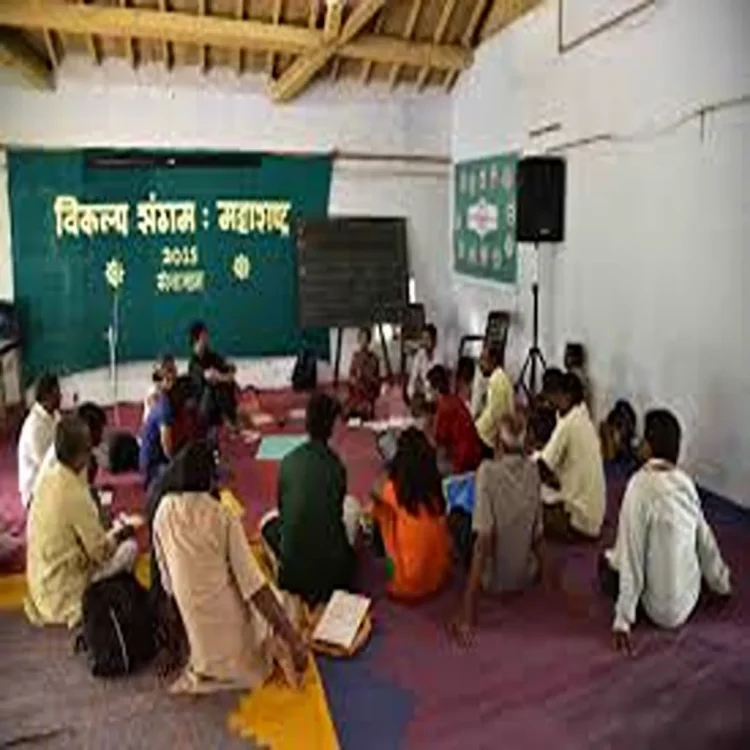
Focus on Education and Skill Development
Speaking about the current priorities, the Minister highlighted that access to quality education remains central to long-term development. She stressed that students from the Kuruba community must be encouraged to pursue academic excellence and explore career paths beyond conventional roles. According to her, modern education equips young individuals with the tools needed to compete in a rapidly evolving job market.
She also called on local organisations to play an active role in motivating students. Recognising high-performing students at district-level examinations, such as SSC and Intermediate, can inspire others and create a culture of achievement, she noted. Public acknowledgment of academic success, she added, often acts as a catalyst for broader community participation in education.
Government Commitment to Economic Growth
The Minister reiterated that the coalition government remains committed to uplifting the Kuruba community not only socially but also economically. She explained that targeted policies are being implemented to create employment avenues for youth, ensuring they are not limited by traditional occupational boundaries.
Efforts are underway to provide structured support through welfare initiatives, particularly those aimed at skill-building and entrepreneurship. By enabling access to training and financial assistance, the government aims to bridge gaps that have historically limited growth opportunities for backward communities.
Financial Support Through Welfare Programs
Highlighting specific measures, S Savitha pointed to initiatives being implemented through the Kuruba Corporation. These include financial assistance schemes designed to support students in continuing their education without economic constraints. Such programs are intended to reduce dropout rates and encourage higher education participation among young people.
She also noted that financial backing is not limited to academics alone. Assistance is being extended to help individuals develop vocational skills and establish small businesses, ensuring that economic independence becomes a realistic goal for many families.
Encouraging Entrepreneurship Among Families
A key vision outlined by the government involves fostering entrepreneurship at the grassroots level. Chief Minister N Chandrababu Naidu has set an ambitious target of ensuring that at least one entrepreneur emerges from every backward class family. This approach, the Minister explained, is expected to create a ripple effect, generating employment within communities and strengthening local economies.
Entrepreneurship development programs are being aligned with this goal, focusing on mentorship, funding access, and market linkages. By combining education with business opportunities, the government aims to create a sustainable model for long-term empowerment.
Moving Beyond Traditional Occupations
The Minister also urged young people to rethink career choices and not remain confined to traditional professions. While acknowledging the importance of cultural heritage, she emphasized that adapting to modern industries is essential for growth. Fields such as technology, services, and entrepreneurship offer vast opportunities that should be explored by the youth.
She concluded by stating that true political and social empowerment can only be achieved when education and economic independence go hand in hand. Strengthening both aspects, she said, will ensure that the Kuruba community continues to progress in a balanced and inclusive manner.