
EnergyCrisis – US Seizes Iranian Vessel, Tensions Rise Near Hormuz
EnergyCrisis – A fresh flashpoint has emerged in the Gulf region after United States forces intercepted an Iranian-flagged cargo ship near the Strait of Hormuz, intensifying an already fragile standoff and casting uncertainty over ongoing diplomatic efforts.
Vessel Seizure Triggers Immediate Backlash
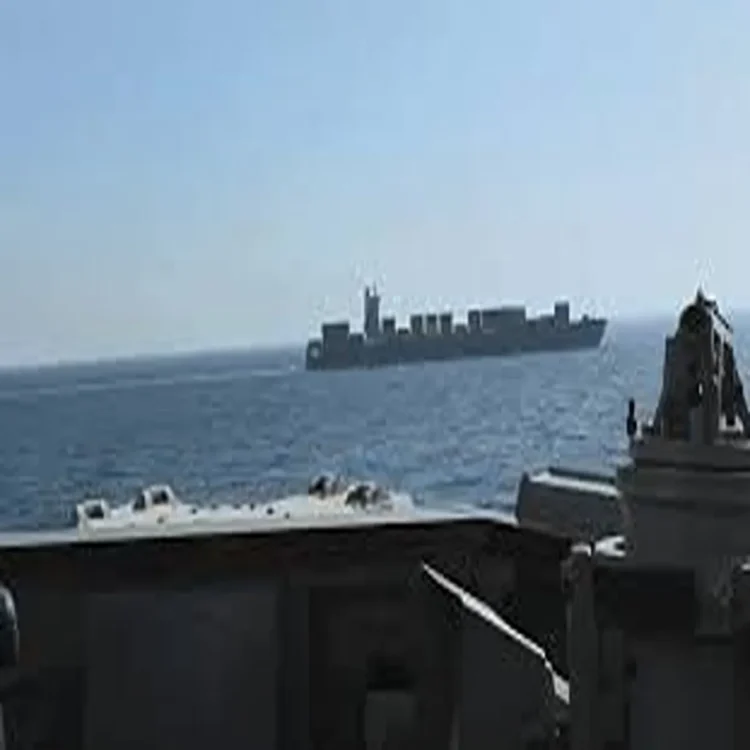
According to U.S. officials, the cargo vessel Touska was stopped in the Gulf of Oman after it allegedly failed to respond to repeated warnings issued by an American naval ship enforcing a recently announced blockade. The situation escalated when a U.S. Navy destroyer fired at the vessel’s engine room to disable it before American forces boarded the ship and took control.
Military authorities later released footage showing the sequence of warnings and the eventual use of force, describing the operation as measured and necessary following prolonged non-compliance. The cargo onboard is now under inspection, though details have not yet been disclosed.
Iran strongly condemned the action, labeling it a violation of maritime norms and accusing Washington of undermining the ceasefire that has been in place since early April. Iranian military officials warned that a response could follow, raising concerns of further escalation.
Rising Military Signals on Both Sides
The situation grew more tense after reports emerged suggesting that Iran had deployed drones toward U.S. naval assets in the region, although confirmation from American authorities is still pending. Meanwhile, Iranian leadership has adopted a sharper tone in public statements, criticizing what they describe as provocative behavior by the United States.
Diplomatic communication has also been strained. Iranian officials have indicated that recent U.S. actions demonstrate a lack of commitment to peaceful negotiations, particularly as both sides were exploring the possibility of renewed talks.
Diplomatic Efforts Face Uncertainty
The timing of the incident is particularly sensitive, with the current ceasefire nearing its expiration. There had been tentative plans for another round of negotiations, potentially in Islamabad, but no formal confirmation has been issued.
Reports suggest that preparations had quietly begun, including increased security measures in the Pakistani capital. However, uncertainty surrounding the meeting has grown following the latest developments, with some indications that talks may be postponed or cancelled altogether.
Strait of Hormuz Becomes Flashpoint
At sea, the situation is deteriorating rapidly. Iran has tightened its control over the Strait of Hormuz, a crucial passage for global oil shipments. Several vessels have reportedly halted their journeys or reversed course due to safety concerns.
There have also been reports of warning shots fired at commercial ships, including damage to at least one foreign-operated vessel. These incidents highlight the growing risks for maritime traffic in one of the world’s most critical energy corridors.
Iranian officials have linked these restrictions directly to U.S. actions, stating that normal transit through the strait cannot resume unless pressure on Iranian oil exports is eased.
Global Energy Markets Feel the Impact
The disruption in the Strait of Hormuz is already affecting international energy markets. A significant portion of the world’s oil supply typically passes through this narrow route, and any instability has immediate global consequences.
Efforts are underway to manage supply disruptions, including redirecting shipments from alternative sources. However, analysts warn that prolonged instability could lead to increased prices and broader economic challenges.
Broader Regional Tensions Intensify
Beyond the Gulf, tensions are rising across the wider region. Military activity has increased on multiple fronts, with both sides signaling readiness for potential escalation. Reports suggest that Iran is rebuilding parts of its defense capabilities, while the United States has issued warnings about possible strikes on key infrastructure if conditions worsen.
Elsewhere, developments in neighboring regions are adding to the uncertainty, with shifting military positions and heightened alert levels among allied forces.
Uncertain Path Ahead
Despite the growing crisis, officials on both sides have indicated that diplomatic channels remain open, at least for now. However, trust appears to be eroding, and the latest confrontation has complicated efforts to find common ground.
The seizure of the Touska has become a defining moment in the current standoff. With the ceasefire deadline approaching and tensions escalating on multiple fronts, the coming days will be critical in determining whether the situation moves toward negotiation or further conflict.