
Elections – Baruipur Paschim Remains Key Battleground Ahead of 2026 Polls
Elections – Baruipur Paschim in South 24 Parganas continues to hold strategic importance in West Bengal’s electoral map, with the Trinamool Congress maintaining a strong foothold even as opposition forces attempt to gain ground. The constituency, formed after the 2008 delimitation exercise, has consistently elected senior TMC leader Biman Banerjee, who has represented the seat since 2011.
Constituency Profile and Electoral Setup
Numbered 140, Baruipur Paschim falls under the Jadavpur parliamentary constituency. It comprises Baruipur municipality along with several gram panchayats under the Baruipur block. The region reflects a blend of urban and rural characteristics, with nearly equal population distribution between the two.
The seat was created when the original Baruipur constituency was divided into two segments—Paschim and Purba—following recommendations by the Delimitation Commission. Since then, the Paschim segment has remained politically stable, largely favouring the ruling party in the state.
Candidates in the 2026 Contest
For the upcoming Assembly elections scheduled on April 29, Biman Banerjee is once again contesting on a TMC ticket. He faces competition from multiple candidates, including the BJP’s Biswajit Paul, Congress nominee Asit Lal Nag, and CPI(M)’s Md Lahek Ali, among others. Several smaller parties and independent candidates are also in the fray, making the contest competitive on paper.
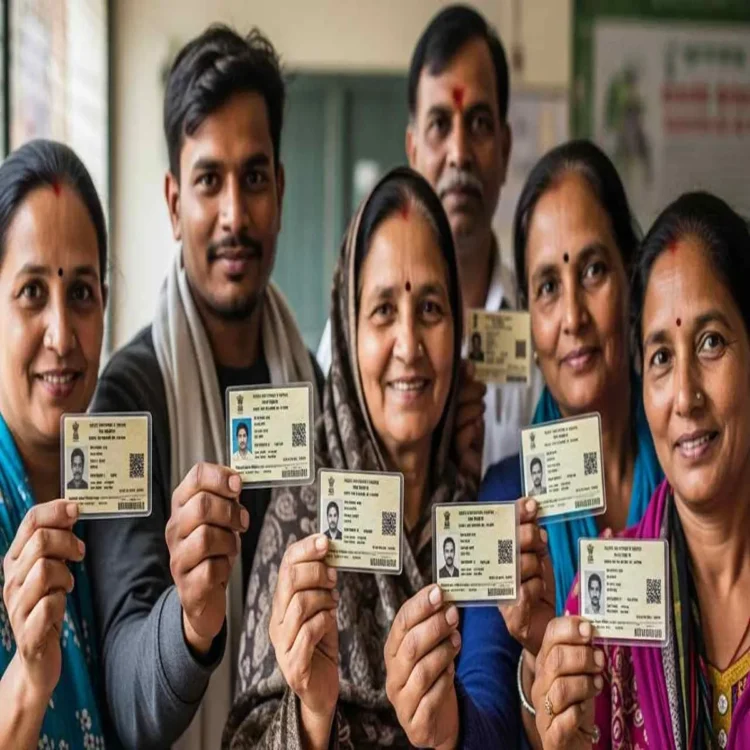
Vote counting is set for May 4, and authorities have conducted a special revision of electoral rolls ahead of polling to ensure broader voter inclusion.
Past Performance and Voting Trends
Banerjee has secured decisive victories in the last three elections. In 2021, he defeated the BJP candidate by a wide margin, following earlier wins against CPI(M) nominees in both 2016 and 2011. His consistent electoral success has reinforced the constituency’s reputation as a TMC stronghold.
However, the BJP has gradually increased its vote share over recent election cycles. While it has yet to convert this into a win, the upward trend suggests growing support, particularly in certain urban pockets.
Demographic Composition and Electoral Impact
Baruipur Paschim presents a socially diverse electorate. Scheduled Castes account for roughly one-third of the population, while Muslims also form a significant segment. The Scheduled Tribe population remains minimal.
This demographic balance has historically worked in favour of the TMC and other secular parties. Analysts suggest that any major shift in electoral outcomes would require opposition parties to expand their appeal among these key voter groups while strengthening their presence in urban areas.
Socio-Economic Landscape
The constituency’s economy is a mix of agriculture, small-scale trade, and informal employment. Paddy, vegetables, and flowers are the primary crops, though urban expansion has reduced farmland in recent years.
Many residents depend on daily commuting to Kolkata for work, facilitated by rail connectivity through Baruipur station. The region’s proximity to the state capital has accelerated urbanisation, bringing both opportunities and infrastructure challenges.
Leadership and Political Influence
Biman Banerjee, born in December 1948, is not only a senior TMC leader but also the Speaker of the West Bengal Legislative Assembly since 2011. His long tenure and administrative experience have contributed to his strong local presence.
According to official disclosures, he has not declared any criminal cases. His assets have shown a moderate increase over the years, reflecting personal and family holdings. During his tenure, he has raised issues related to infrastructure development, including proposals to extend metro connectivity toward Baruipur, though progress has been gradual.
Historical and Geographic Significance
Baruipur has a rich historical background, once serving as an important stop on the Calcutta-East Bengal railway route. During colonial times, it was known for indigo cultivation and has long been a centre for agriculture and trade.
Located about 25 kilometres south of Kolkata, the area is characterised by flat terrain typical of the Ganges delta. Rivers and canals, including the Adi Ganga, have historically played a role in transportation and irrigation.
Statewide Context and Political Outlook
The 2026 West Bengal Assembly elections are expected to witness a closely watched contest between the ruling TMC and the BJP, which has been attempting to expand its footprint in the state. In the previous Assembly elections, the TMC secured a decisive majority, while the BJP emerged as the principal opposition.
Despite the BJP’s gradual rise in constituencies like Baruipur Paschim, the TMC continues to hold a structural advantage. A significant change in electoral outcomes would likely depend on shifts in voter alignment and the effectiveness of opposition alliances.
As polling approaches, Baruipur Paschim remains a constituency to watch, reflecting broader political currents shaping West Bengal’s electoral landscape.