
ClimateSummit – India Steps Back from Hosting COP33 Climate Conference in 2028
ClimateSummit – India has decided not to move forward with its earlier plan to host the 33rd Conference of Parties (COP33), a major global climate event scheduled for 2028. The decision was formally conveyed to the United Nations Framework Convention on Climate Change (UNFCCC), marking a shift from the country’s earlier position expressed during COP28 in Dubai.
Official Communication to UN Climate Body
The update was communicated by Rajat Agrawal, a senior official in the Ministry of Environment, Forest, and Climate Change, who serves as a key point of contact with the UN climate secretariat. In a letter dated April 2, Agrawal informed the chair of the Asia-Pacific Group under the UNFCCC about India’s decision to withdraw its proposal.
Government sources confirmed that the message had been formally shared with the concerned international authorities. However, officials have not provided detailed explanations regarding the reasoning behind the move.
Review of National Commitments Cited
While no official statement elaborates on the specific factors involved, reports suggest that the decision may be linked to a reassessment of India’s commitments and priorities for the year 2028. This internal review appears to have played a role in shaping the government’s approach toward hosting such a large-scale global event.
Hosting a COP summit typically involves significant logistical, financial, and diplomatic preparations. Countries bidding for the event must ensure infrastructure readiness, international coordination, and policy alignment with climate goals. A reassessment of these factors may have influenced India’s decision.
Background of India’s Bid Announcement
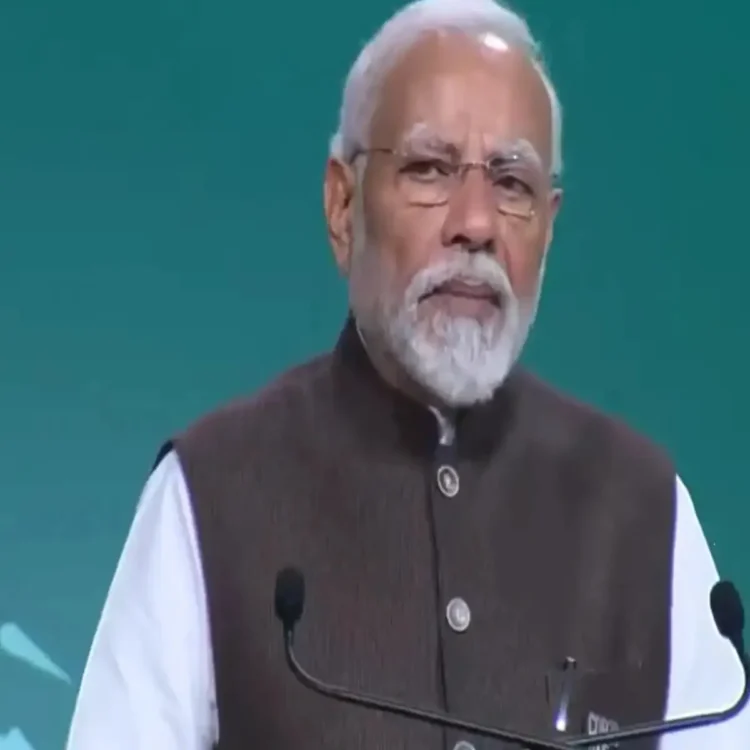
India had earlier expressed its willingness to host COP33 during the COP28 summit held in Dubai in 2023. At that time, Prime Minister Narendra Modi had publicly stated the country’s interest in organizing the event, signaling India’s growing role in global climate discussions.
The announcement was seen as part of India’s broader effort to position itself as a key player in climate leadership, especially among developing nations. Hosting such a summit would have provided a platform for India to showcase its climate initiatives and strengthen international partnerships.
Implications for Asia-Pacific Group
The withdrawal of India’s bid means that the Asia-Pacific Group, which rotates hosting responsibilities among its member countries, will now need to consider alternative candidates for COP33. The group typically works through consensus to nominate a host nation for each annual summit.
This development may prompt discussions among member countries regarding potential replacements and the timeline for finalizing the next host. The COP conferences are central to global climate negotiations, making the selection of a host country an important decision.
India’s Continuing Role in Climate Action
Despite stepping back from hosting duties, India remains actively involved in global climate efforts. The country continues to participate in international negotiations and has outlined various commitments under the Paris Agreement, including renewable energy expansion and emissions reduction targets.
India’s engagement in climate diplomacy and policy discussions is expected to continue, even without hosting COP33. The decision appears to reflect a strategic recalibration rather than a withdrawal from global climate cooperation.
Awaiting Further Clarification
As of now, officials have not released additional details explaining the full context of the decision. Observers expect that more clarity may emerge in the coming months as preparations for future COP events progress.
For now, the focus shifts to how the Asia-Pacific Group will respond and which country may step forward to host the 2028 summit.