
Courtroom – Kejriwal to personally argue excise policy case in High Court
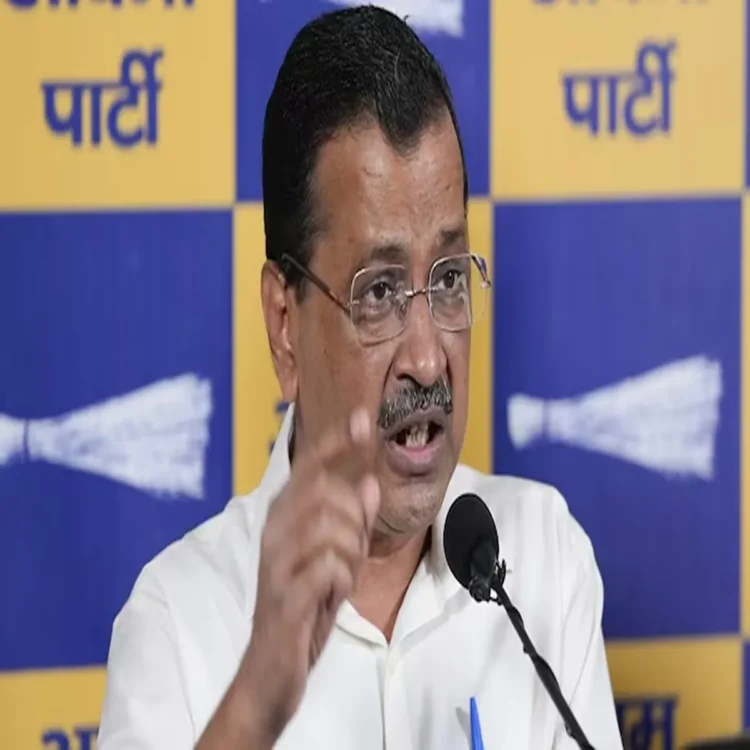
Courtroom – Former Delhi Chief Minister Arvind Kejriwal is set to appear before the Delhi High Court on Monday, where he will personally present his arguments in a case connected to the alleged excise policy irregularities. The development was confirmed by the Aam Aadmi Party, indicating a significant moment in the ongoing legal battle surrounding the controversial policy.
Request for Judge’s Recusal Raised by Accused
Ahead of the hearing, Kejriwal along with several co-accused has submitted a formal plea requesting that Justice Swarana Kanta Sharma step aside from the case. According to party representatives, this application seeks the reassignment of the matter to a different bench. The move adds another layer of complexity to proceedings that have already drawn considerable legal and political attention.
Background of the Enforcement Directorate’s Plea
The current hearing follows a recent direction from the High Court, which granted Kejriwal and others a final opportunity to respond to a petition filed by the Enforcement Directorate (ED). The central agency has challenged certain observations made by a trial court while discharging the accused in relation to the liquor policy investigation.
The ED’s petition specifically calls for the removal of what it described as “unwarranted” remarks made against it during earlier proceedings. These comments were part of a trial court order that had cleared Kejriwal in a case tied to alleged non-compliance with summons issued during the investigation.
Trial Court Order Under Scrutiny
The trial court had earlier ruled in favor of Kejriwal, effectively discharging him in the matter linked to non-appearance despite ED summons. However, the enforcement agency has contested both the findings and the language used in that order, prompting the High Court to examine whether those remarks should remain on record.
Legal experts note that such challenges are not uncommon, particularly when investigative agencies believe judicial observations may affect the credibility of their probe. The High Court’s decision on this aspect could have implications not only for the current case but also for how similar disputes are handled in the future.
Appeal to Chief Justice Rejected
In a parallel development, Kejriwal and other accused had approached Delhi High Court Chief Justice Devendra Upadhyaya, requesting that the matter be reassigned from Justice Sharma’s bench. However, this request was declined, meaning the case will continue to be heard by the same judge unless further legal remedies are pursued.
This rejection has brought renewed focus to Monday’s hearing, where Kejriwal is expected to directly address the court. His decision to argue the case personally is being viewed as a strategic step, signaling his intent to strongly contest the allegations and the ED’s claims.
Political and Legal Implications
The excise policy case has remained a major political flashpoint, with both legal proceedings and public discourse closely intertwined. While the matter is currently before the judiciary, it continues to influence the broader political landscape, especially in the national capital.
As the High Court prepares to hear arguments, all eyes will be on how the bench addresses the ED’s plea, the recusal request, and the responses submitted by the accused. The outcome of these proceedings could shape the next phase of the case, which has already seen multiple twists over time.
For now, Kejriwal’s courtroom appearance marks a key moment, reflecting the high stakes involved and the continued scrutiny surrounding the excise policy controversy.