
Central India: Forest Encounter in Highlights Ongoing Security Challenges
Central India: Two armed Maoist insurgents were killed during a security operation in central India, once again drawing attention to the long-running internal security challenge faced by the country. The incident took place in the dense forest belt of Chhattisgarh, a region that has witnessed repeated confrontations between armed extremist groups and government forces over the past several decades. Officials confirmed that the encounter was part of a larger counter-insurgency effort aimed at restoring stability in remote and insurgency-affected areas.
Background of the Operation
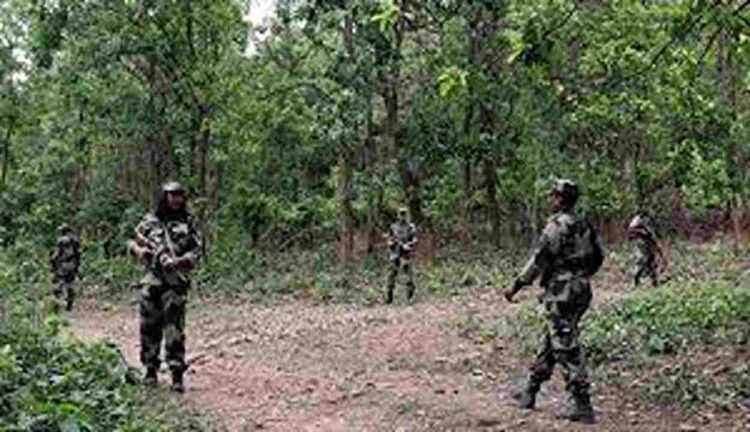
The encounter occurred in the northwestern forested zone of Bijapur district, an area known for difficult terrain, thick vegetation, and limited civilian access. According to senior police officials, a joint team of security personnel had launched a planned operation early in the morning after receiving specific intelligence inputs regarding the movement and presence of Maoist cadres.
These operations are usually conducted with caution, as insurgent groups are known to use ambush tactics, improvised explosive devices, and detailed knowledge of the local geography. The forces involved in this mission reportedly followed standard operating procedures, including area domination and search patrols, before contact was established with the armed group.
Details of the Encounter
The exchange of fire reportedly began in the morning hours when security personnel came face to face with armed insurgents hiding in the forested hills. What followed was an intermittent gunfight that continued for some time, reflecting the complexity of such operations in challenging terrain. After the firing subsided, the bodies of two Naxalites were recovered from the spot, along with firearms and other materials believed to be linked to militant activities.
Officials stated that combing operations were continued in and around the encounter site to ensure that no other armed individuals were hiding in the vicinity. Such follow-up searches are a routine but critical part of counter-insurgency actions, aimed at preventing surprise attacks and gathering additional intelligence.
Pattern of Recent Incidents
This incident is not isolated. Earlier this year, multiple encounters were reported in the wider Bastar region, which includes several districts affected by Maoist violence. On January 3 alone, security forces neutralized fourteen Naxalites in two separate operations, indicating an intensified push by authorities against armed extremist networks.
Over the course of the previous year, official data suggests that nearly three hundred Naxalites were killed in various encounters across Chhattisgarh. These figures point to a sustained and aggressive strategy by security agencies to weaken insurgent leadership, disrupt supply chains, and reclaim areas that have remained outside effective administrative control.
Government Strategy and Deadlines
The central leadership, led by the Government of India, has repeatedly emphasized its commitment to eliminating Left-Wing Extremism. A clear deadline of March 31 has been set to significantly curb, if not entirely eradicate, the influence of such movements. This approach combines security operations with development initiatives, including infrastructure projects, welfare schemes, and efforts to improve governance in remote regions.
Authorities believe that while armed action is necessary to deal with violent groups, long-term peace can only be achieved by addressing socio-economic grievances, improving connectivity, and ensuring access to education, healthcare, and employment for local communities.
Impact on Local Communities
Encounters like the one in Bijapur often have a mixed impact on nearby villages. On one hand, residents hope that increased security presence will bring safety and development. On the other, frequent operations can disrupt daily life, movement, and access to forest resources. For this reason, officials stress the importance of balancing security measures with community outreach programs that build trust between civilians and the administration.
Security experts argue that the recent spate of successful operations indicates better coordination among forces and improved intelligence gathering. However, they also caution that sustained vigilance is necessary, as insurgent groups have historically shown the ability to regroup and adapt.
Looking Ahead
The latest encounter underscores the ongoing nature of the conflict and the challenges involved in counter-insurgency operations. While the recovery of weapons and the neutralization of armed cadres are seen as tactical successes, the broader objective remains lasting peace and stability in affected regions. As operations continue, the coming months will be crucial in determining whether the government’s deadline-driven strategy can translate into long-term security gains on the ground.